⭐ Yes, Softball Has Its Own Certification System (And It’s Not the Same as Baseball)
Just like baseball uses USA, USSSA, and BBCOR, softball has its own bat standards and league-specific rules that determine which bats players can use. The challenge? These standards vary between fastpitch, slowpitch, youth leagues, rec leagues, travel ball, and competitive tournaments.
Understanding softball bat certifications — like USA, USSSA, NSA, and ISA — is key to choosing gear that actually performs and qualifies for your league. If you’re exploring options, start with our comprehensive Softball Bats category for a wide range of certified models.
This guide breaks everything down clearly so players, coaches, and parents know exactly which bat certification matches each level of softball.
🥎 1. USA Softball (Formerly ASA) — The Most Common Softball Certification
🔹 Where It’s Used
-
Youth fastpitch (8U → 18U)
-
High school & college fastpitch
-
Many adult slowpitch rec leagues
-
Community leagues
🔹 Performance Standard
USA Softball (formerly ASA) bats must meet the 98 mph exit speed standard — intentionally lower than USSSA to provide safer, controlled performance.
🔹 Why It Matters
-
Most major fastpitch competitions only allow USA Softball–certified bats.
-
USA slowpitch leagues often ban hotter USSSA bats.
-
Many youth leagues require only ASA/USA bats for safety.
USA is basically the fastpitch standard.
🥎 2. USSSA Softball — The “Hotter” Power Bat
🔹 Where It’s Used
-
Competitive men’s slowpitch
-
Women’s slowpitch tournaments
-
Adult travel or sanctioned leagues
🔹 Performance Standard
USSSA uses the 1.20 BPF rating, which allows much higher bat performance compared to USA Softball.
🔹 What It Means
-
USSSA bats have more pop
-
Balls come off the barrel faster
-
Many USA/ASA leagues ban them due to safety concerns
These are built for players who want max distance and exit speed — especially in slowpitch.
🥎 3. NSA Softball — Often Paired With USSSA
🔹 Where It's Used
-
Adult men’s/women’s regional slowpitch
-
Tournaments across the U.S.
🔹 About the Certification
NSA standards are similar to USSSA, so many bats are dual-stamped (USSSA + NSA).
🔹 What You Should Know
If a player has a USSSA bat, it’s usually legal in NSA unless the league says otherwise.
🥎 4. ISA Softball — A Smaller But Still Important Certification
🔹 Where It's Used
-
Independent softball leagues
-
Some slowpitch tournaments, mostly regional
ISA-certified bats typically meet standards close to USSSA or NSA, but check league rules — ISA-only bats aren’t as common.
🥎 Fastpitch vs. Slowpitch Bats — A Key Difference Players Forget
Softball doesn’t just divide bats by certification — it also divides them by game type.
🥎 Fastpitch Bats
✔️ Designed For
Girls’ and women’s softball: 10U, 12U, 14U, HS, college, travel ball.
✔️ Characteristics
-
Balanced or light end-load
-
Lighter swing weight
-
More whippy handles for bat speed
-
Mostly USA/ASA or dual USA + USSSA stamps
A 12U player and a college athlete are technically using the same type of bat — certifications make the difference.
In fastpitch play, certification can affect performance and legality — for that reason, many hitters focus on the Fastpitch Softball Bats category, which features USA/ASA and USSSA certified options recognized in competitive play.
🥎 Slowpitch Bats
✔️ Designed For
Adult men’s/women’s/coed recreational and competitive leagues.
✔️ Characteristics
-
Heavier barrel
-
Often more end-loaded
-
Power-built for bigger bats and bigger swings
-
Typically USSSA, USA, NSA, or ISA
🔥 Important: Most slowpitch bats are NOT fastpitch legal, and vice-versa.
Want to shop the exact USA, USSSA, or ISA–certified bats we just talked about? Check out our top picks of Slow Pitch(USSSA/USA/NSA/ISA) softball bats.
🥎 Softballs Change by Age Too
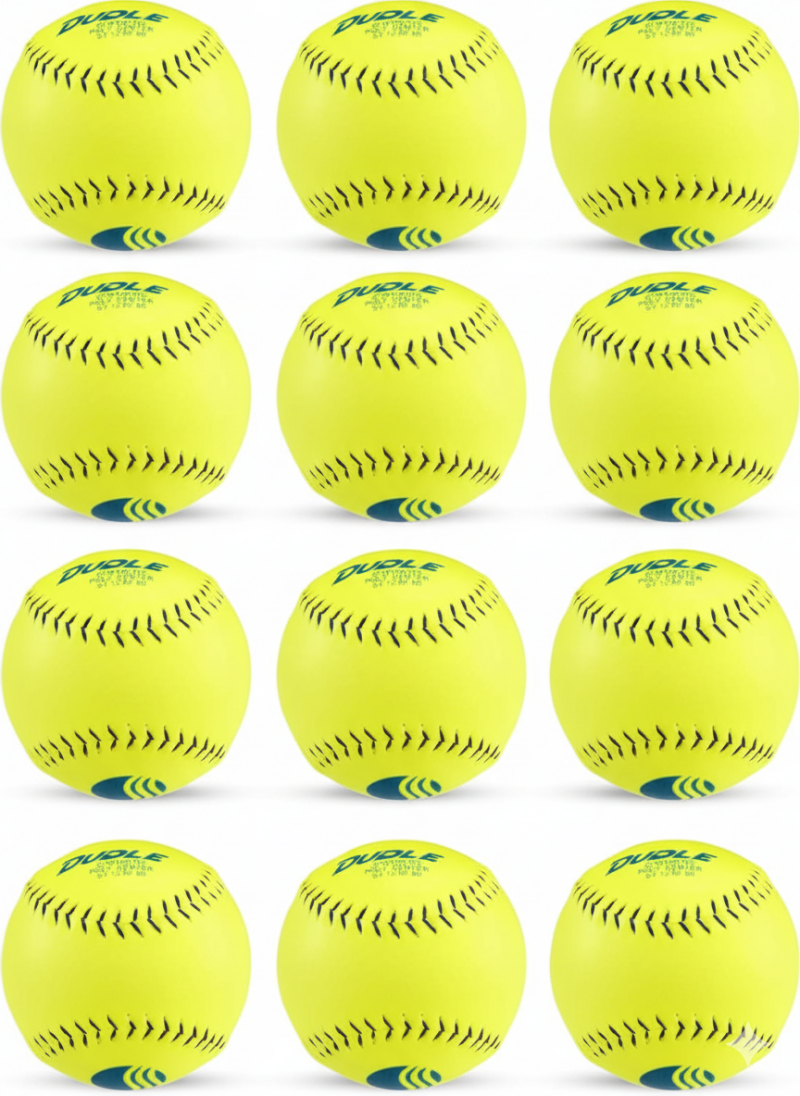
Just like with baseballs, softball uses different ball sizes and compressions:
✔️ 11” Ball
-
Used in youth softball (typically 10U and under)
-
Smaller, easier to grip for younger players
✔️ 12” Ball
-
Standard size for 12U → College → Slowpitch
-
Comes in different compression levels such as:
-
COR .47 / 375 lb (fastpitch)
-
COR .52 / 300 lb (slowpitch)
-
✔️ Seam Differences
-
Fastpitch softballs: higher seams for spin and control
-
Slowpitch softballs: flatter seams to reduce drag on power hits
If you’d like, I can turn this into a full softball ball breakdown too.
🧾 Softball Certifications vs Baseball Certifications (Quick Comparison)
| Category | Baseball | Softball |
|---|---|---|
| Youth Standard | USA BaseballYouth Standard | USA Softball (ASA) |
| Competitive Travel | USSSA | USSSA Softball |
| High School | BBCOR | USA Softball |
| College | BBCOR | USA Softball |
| Power/Hotter Bats | USSSA | USSSA Softball |
| Adult Rec | Mixed | USA / USSSA / NSA / ISA |
⭐ Final Thoughts — Softball Gear Isn’t “One Size Fits All”
Softball equipment has its own identity, certifications, and performance rules. Whether you’re shopping for a youth fastpitch player, gearing up for a coed slowpitch league, or competing in USSSA tournaments, the stamp on the bat determines what’s legal and what’s not.
In contrast, slowpitch leagues often use different certification standards — check out the Slowpitch Softball Bats category to find bats designed for recreational and competitive slowpitch play.
Add comment
Comments