Baseball Batting Helmets for Safety and Focus at the Plate
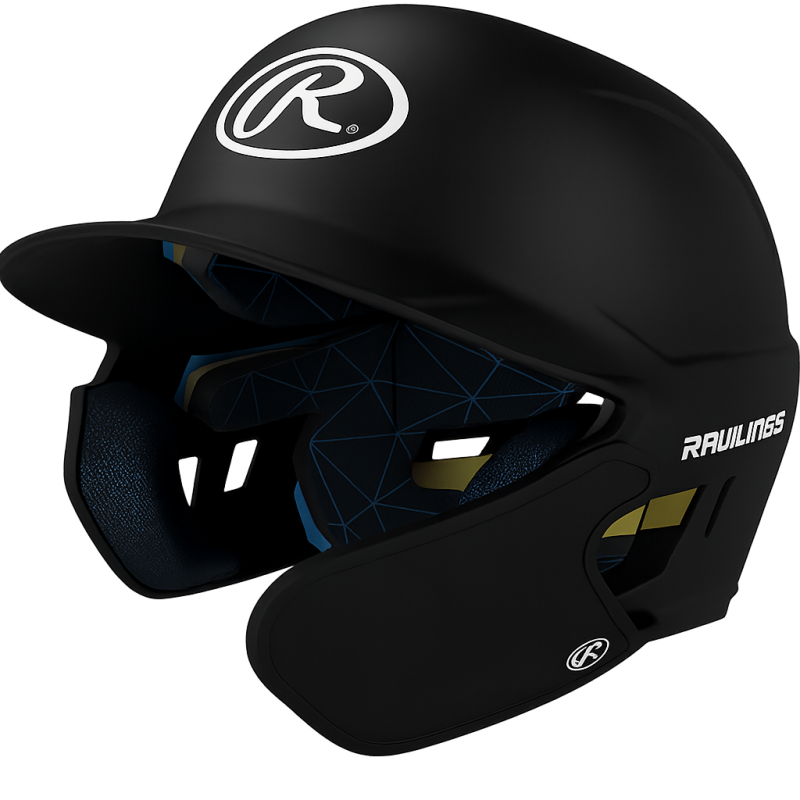
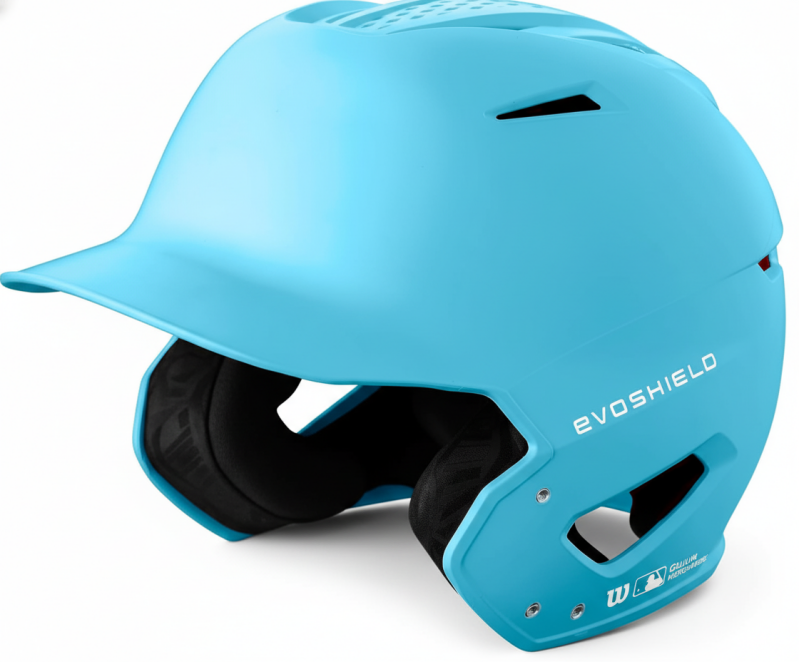
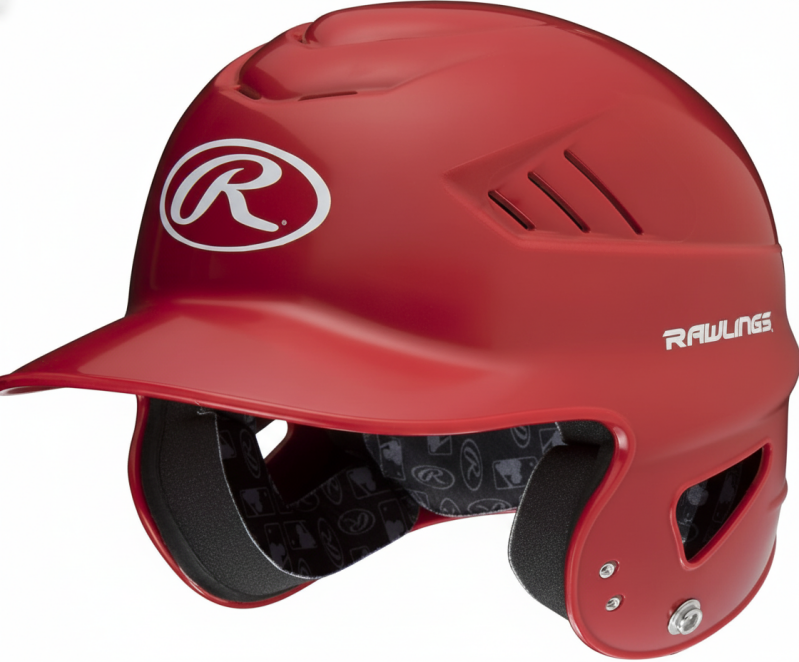
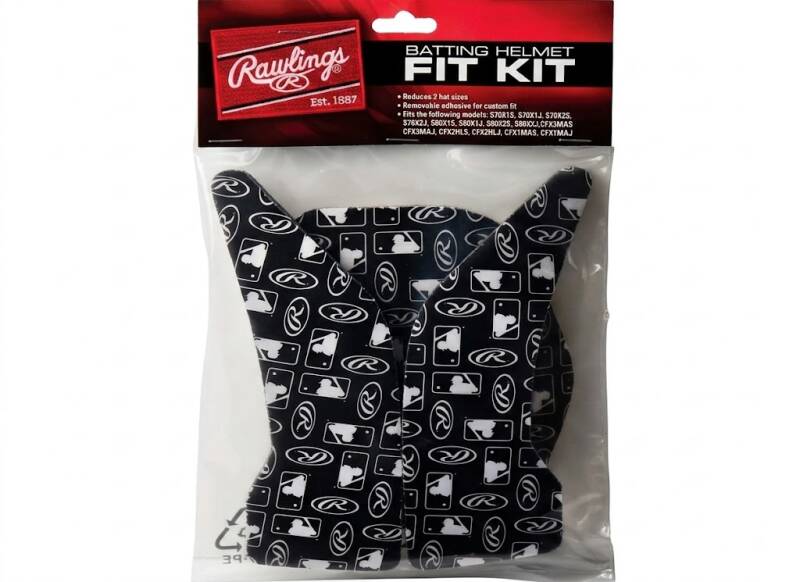
Baseball batting helmets are non-negotiable protective equipment — and every player who steps into the batter's box or takes a lead off first base needs one that fits correctly, meets current certification standards, and stays in place through the full range of movement that competitive at-bats and aggressive base running demand. A helmet that shifts on contact, sits too loose to stay put through a swing, or runs hot through a doubleheader in July becomes a distraction at exactly the moment a hitter needs to be locked in on the pitch. The 2026 baseball batting helmet market covers single-ear designs for right and left-handed hitters, dual-ear designs for younger players and leagues that require full coverage, jaw flap configurations for added lower face protection, and adjustable face guard options for players who want flexibility across multiple setups. NOCSAE certification is the baseline standard every helmet on this page meets — beyond that, the decision comes down to fit, ventilation, padding quality, and the specific coverage profile your league requires. Whether you're buying a first helmet for a youth rec league player or upgrading a travel ball athlete's protective setup heading into a new season, every option on this page is certified, competition-legal, and built to protect. For a complete breakdown of sizing, fit, and helmet selection by age and league, ⚾ How to Size a Baseball Helmet covers every measurement and fit consideration before you buy. Players who want to compare the top-rated models side by side should also check out 🪖 Baseball Batting Helmets for 2026 for the full performance breakdown.






Final Thoughts
Baseball batting helmets for 2026 cover every player profile from T-ball through competitive high school play — single-ear, dual-ear, jaw flap, and adjustable face guard designs built to meet NOCSAE standards and fit correctly at every age and head size. The right helmet disappears on the field — a hitter who isn't thinking about their helmet is a hitter who is thinking about the pitch, and that mental clarity at the plate starts with gear that fits, protects, and stays out of the way. Start with your league's certification and coverage requirements, get the right size, and choose the ear and jaw configuration that matches your player's position and comfort preference. For a deeper look at the top youth helmet options for developing players, 🪖 Baseball Helmets: Single vs Dual Ear (2026) covers every age-appropriate model in detail. For the full library of helmet reviews and buying guides, 📝 Diamond Sports Equipment Blog & Gear Reviews has everything in one place