Baseball Cleats for Grip, Comfort & Performance
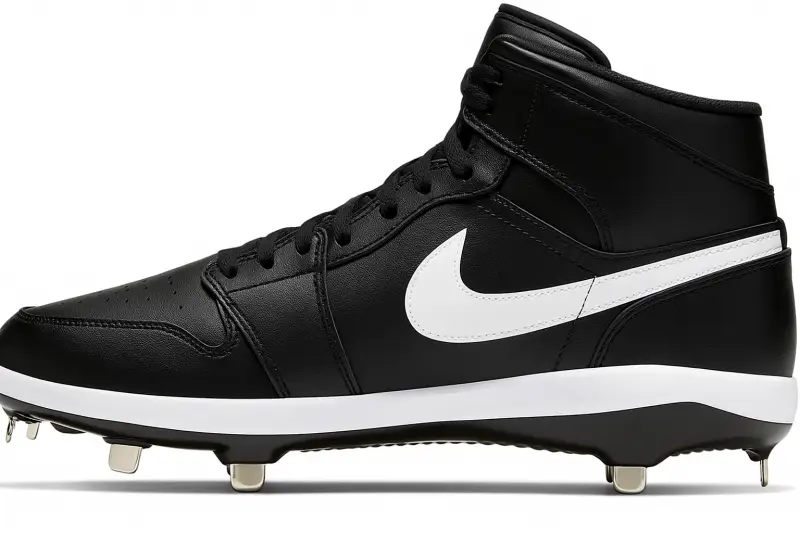
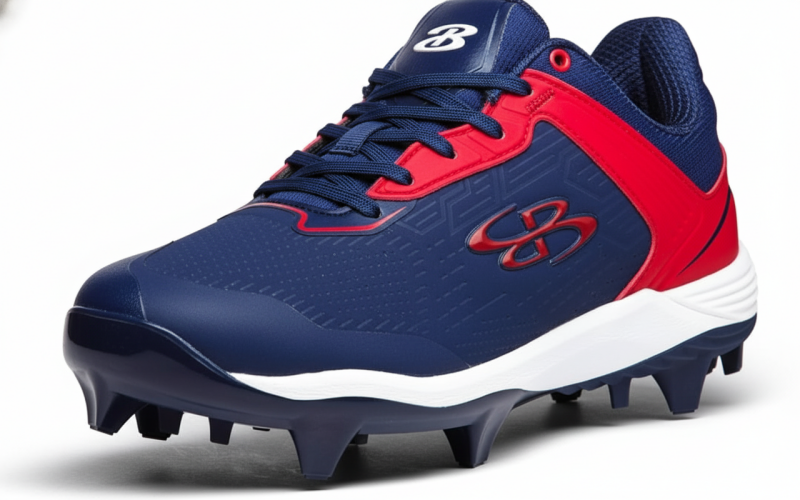
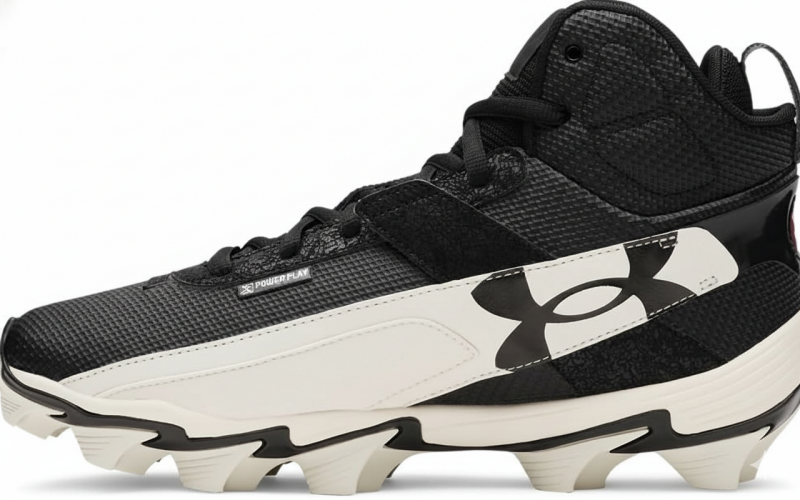
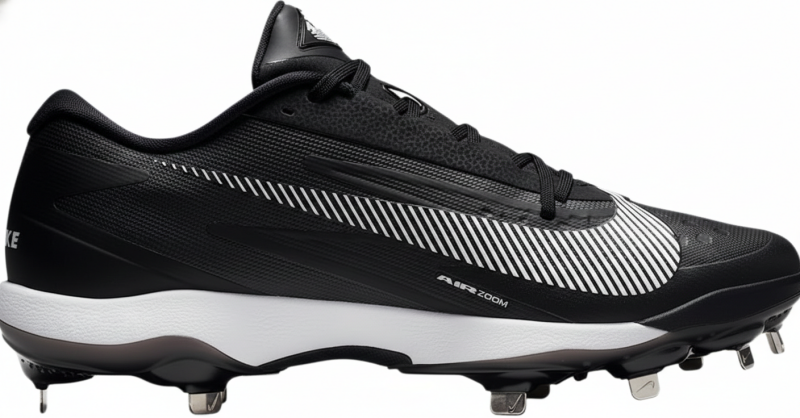
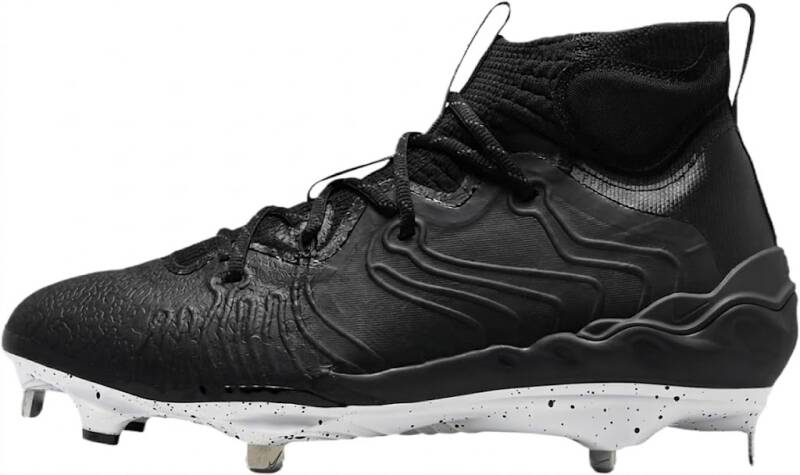
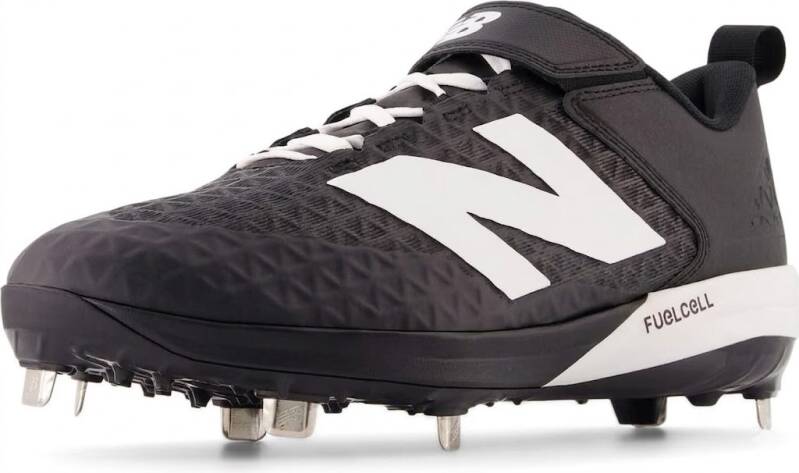
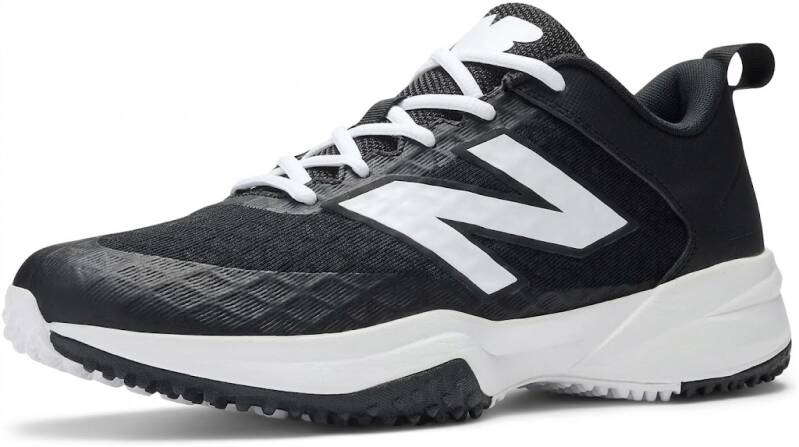
Baseball cleats are one of the most position-critical and surface-specific pieces of equipment a player owns — and the wrong cleat for the surface, the level, or the position creates traction problems, comfort issues, and performance gaps that show up on every play across a full season. The 2026 baseball cleat market covers metal spikes for maximum bite on natural grass and dirt surfaces, molded rubber cleats for turf and multi-surface play, and turf trainers built for practice facilities and indoor cages. Metal cleats dig into the ground on hard cuts, aggressive base running, and explosive first steps out of the batter's box better than any other cleat type — and they are the standard at high school and above. Molded cleats deliver reliable grip across more surface types without the field damage or league restrictions that metal carries at younger levels. Low-cut designs prioritize speed and mobility. Mid-cut builds add ankle support for players who want more stability through lateral cuts in the field. Whether you're buying a first pair of cleats for a youth player or upgrading a high school athlete's footwear for a new season on natural grass, every option on this page is matched to a specific surface, position profile, and competitive level. For a complete breakdown of metal versus molded cleats and which is right for your player's league and surface, ⚾ Metal vs Molded Cleats: Which Is Right? covers every key difference clearly. Players shopping specifically for high school-level metal cleats should also check out 👞 Best Metal Baseball Cleats (2026 Guide) for the top performers in that category.











Final Thoughts
Baseball cleats for 2026 cover every player profile from youth rec ball through competitive high school and adult play — metal, molded, low-cut, mid-cut, and turf trainer options built for every surface and every position on the field. The right cleat gives a player the traction to accelerate out of the box, the grip to make hard cuts in the field, and the comfort to stay focused on the game instead of their feet through nine full innings. Start with your league's cleat requirements, match the cut height to your position and ankle support preference, then choose between metal and molded based on your primary playing surface. For more detail on the top molded options for players at every level, 👟 Best Molded Baseball Cleats (2026 Guide) covers every model worth considering this season. For the full library of cleat reviews and buying guides, 📝 Diamond Sports Equipment Blog & Gear Reviews has everything in one place.