Batting & Pitching Nets for Accurate, Efficient Training
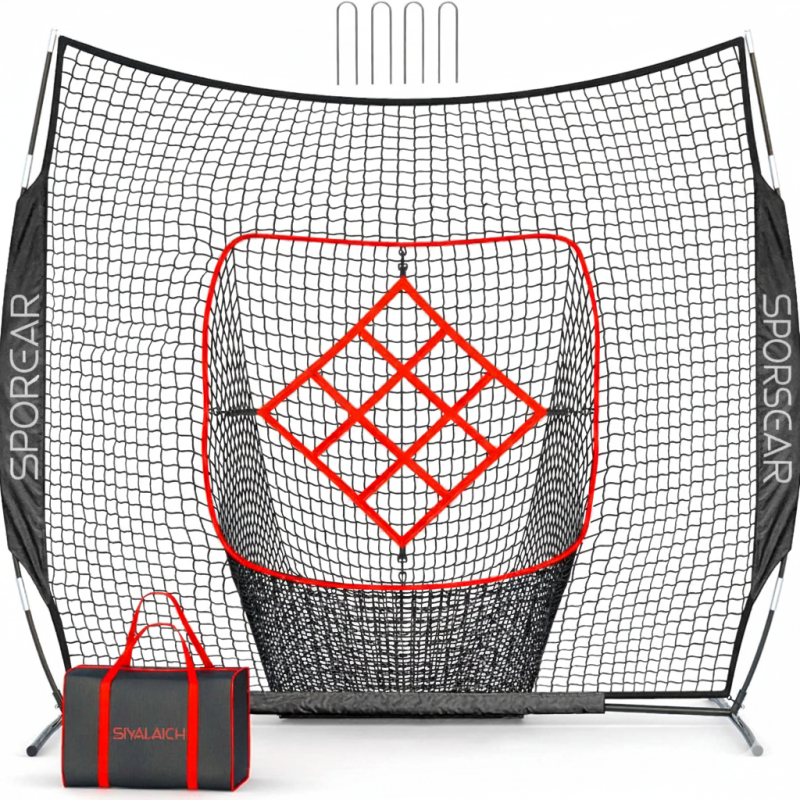
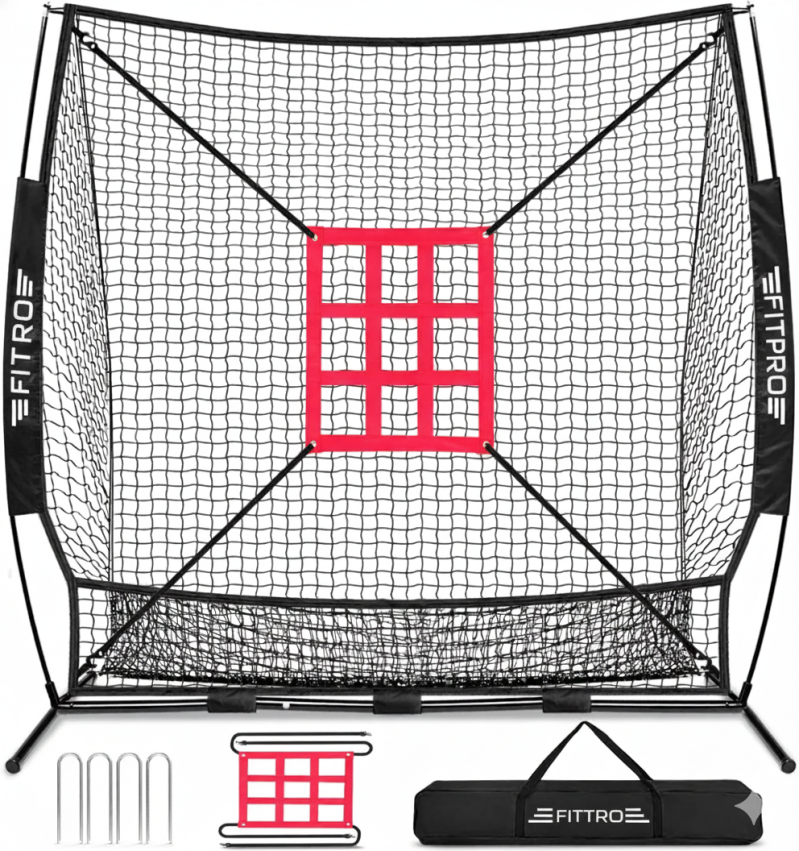
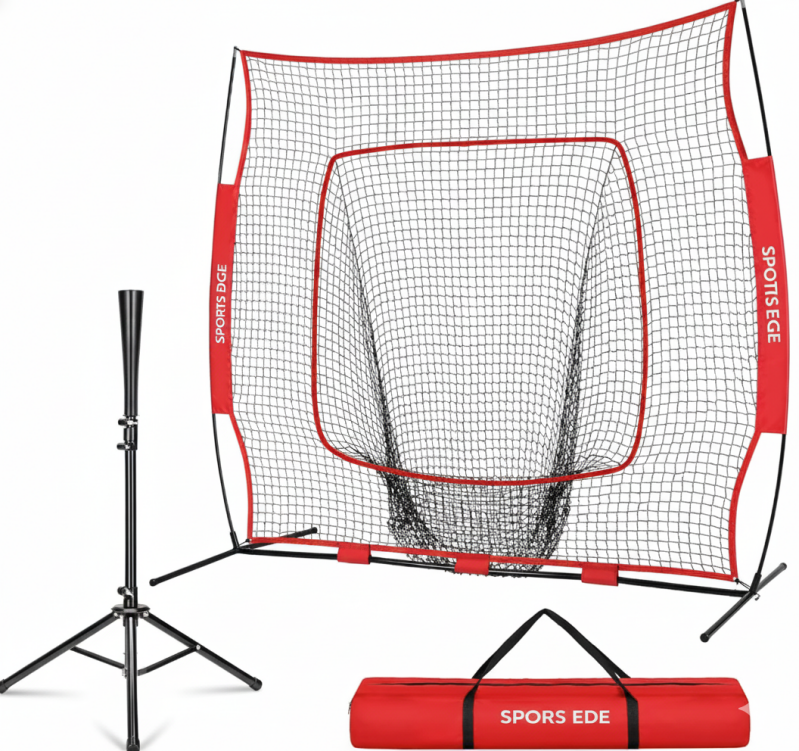
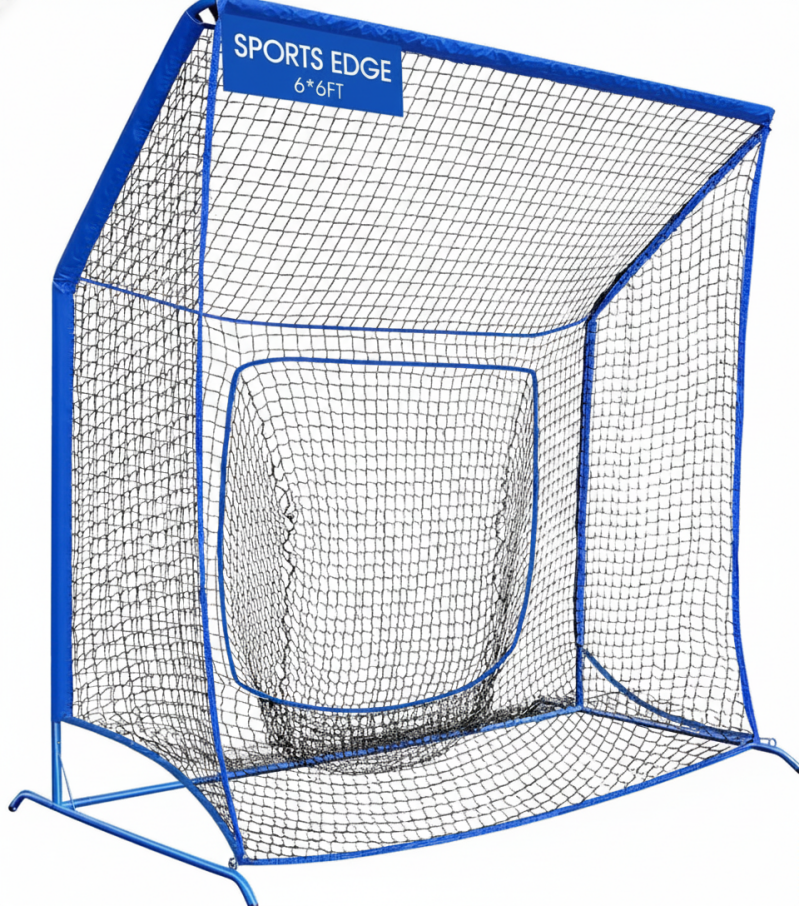
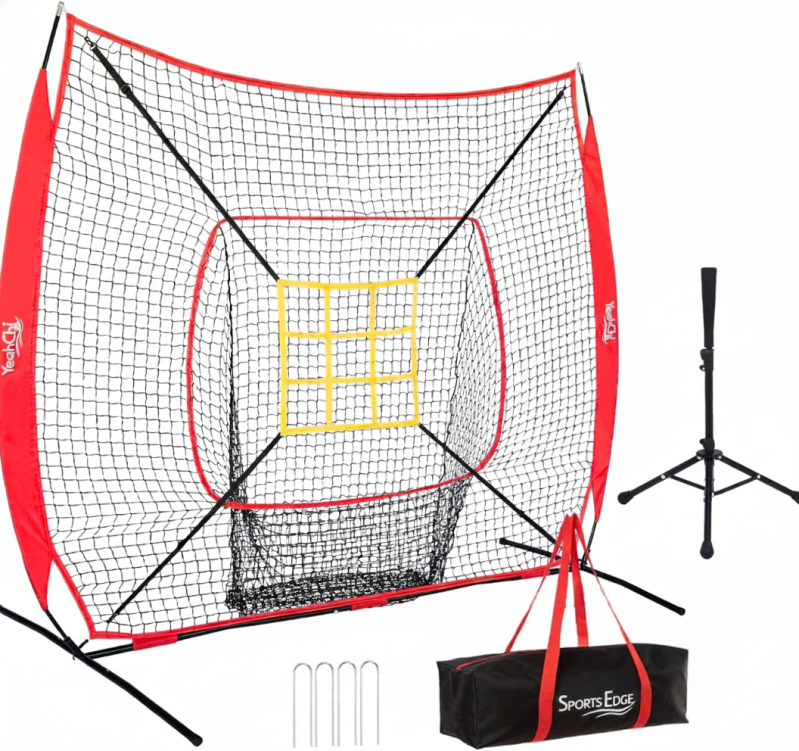
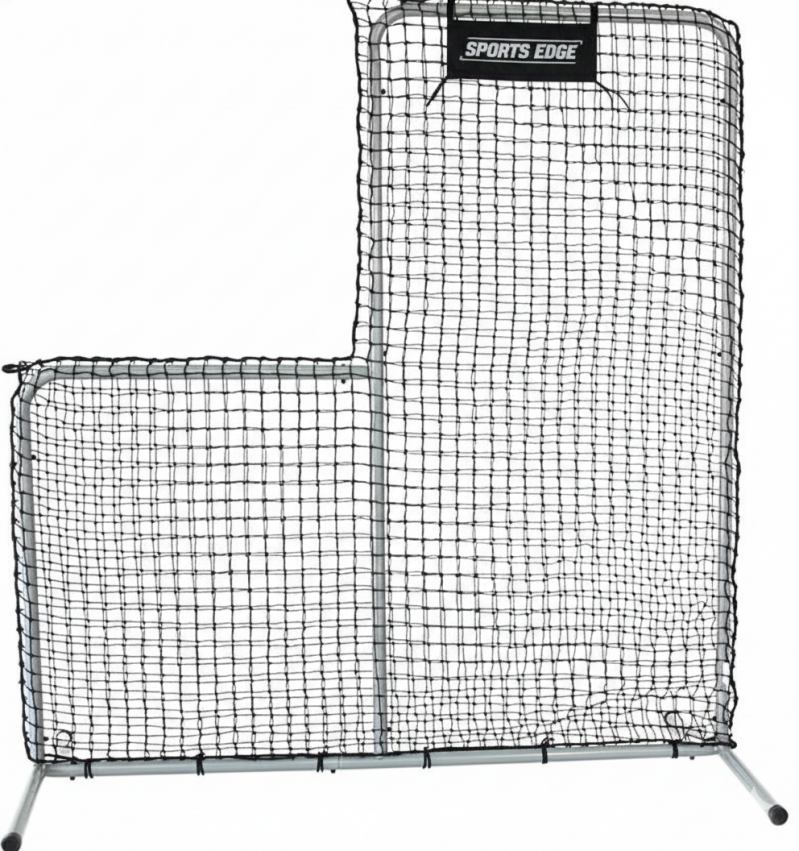
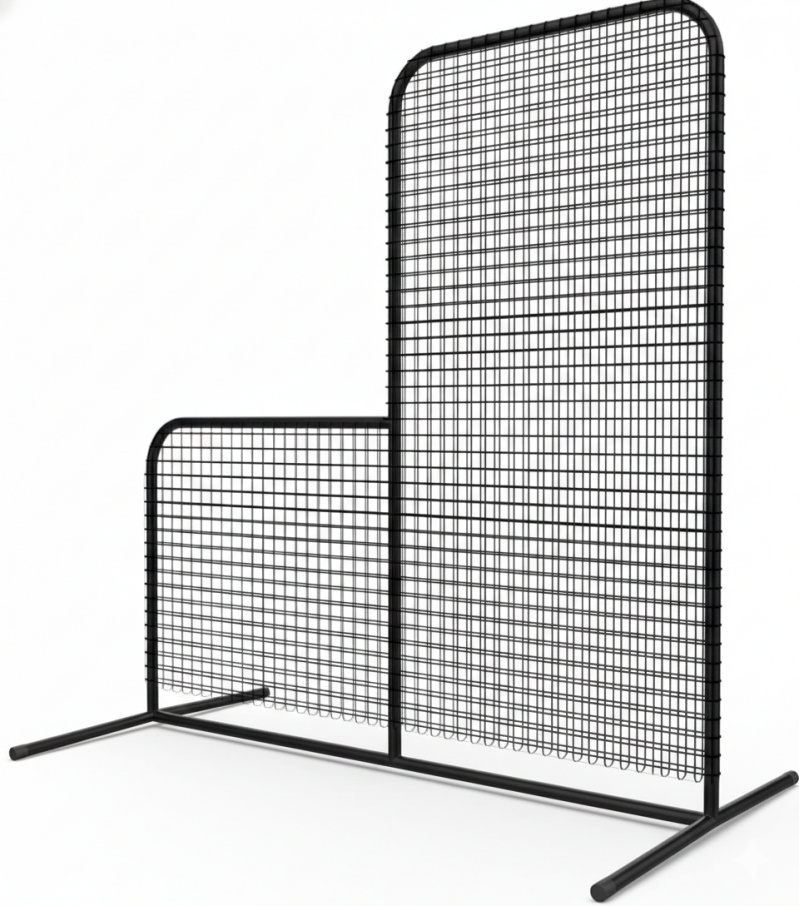
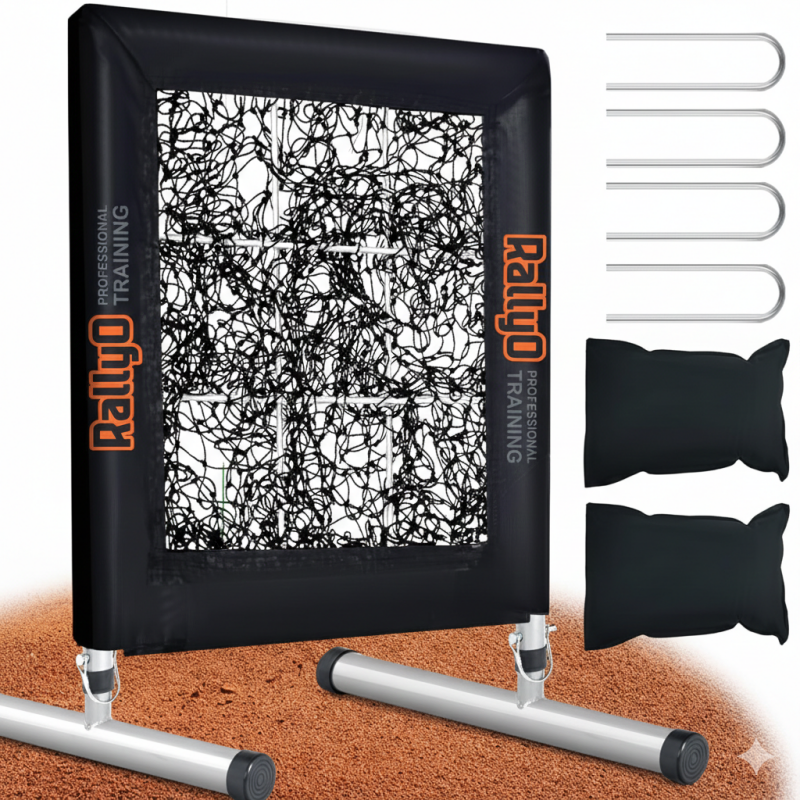
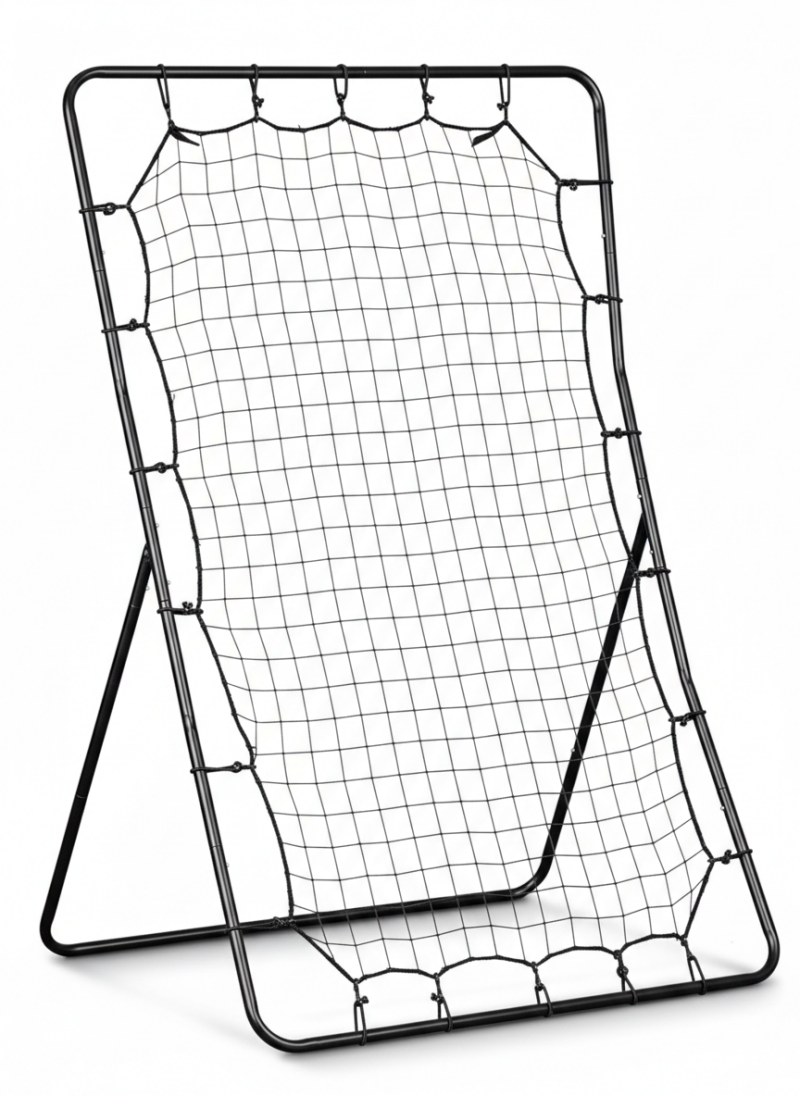
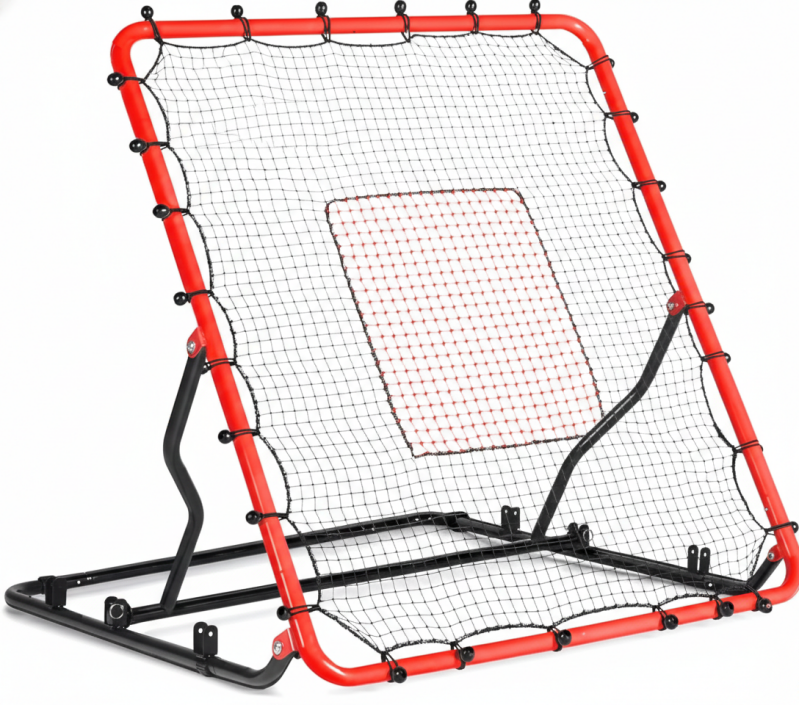
Baseball and softball training nets cover more ground than most players realize — hitting nets for solo tee and soft toss work, L-screens that protect live pitchers during batting practice, barricade and backstop nets that contain balls and protect surrounding areas on multi-use fields, pitching target nets with strike zone grids for command development, and pitch-back rebounder nets that return throws so a pitcher or fielder can train alone without a partner. Each net type solves a specific training problem, and the right combination matched to the player's position, training goals, and available space is what turns a backyard or facility corner into a productive, repeatable practice environment. A 7x7 hitting net paired with a quality batting tee is the most common entry point for solo hitter training — compact enough for any backyard or garage, durable enough for daily high-volume tee work, and portable enough to transport to a field for pre-game warmup. L-screens are essential for any live batting practice setup where a human pitcher needs protection from comebackers on hard contact. Pitch-back rebounder nets give pitchers and fielders a solo training tool that develops arm strength, reaction time, and fielding mechanics without requiring a practice partner. Pitching target nets with 9-hole strike zone grids build command precision on every pitch. This page covers all net styles across every size and configuration for baseball and softball training. For a complete breakdown of the top hitting nets for 2026, 🥅 Best Hitting Nets for Baseball & Softball (2026 Guide) covers every style in detail. Pitchers who want to pair a target net with a rebounder for a complete solo arm care and command training setup should also explore ⚾ Best Pitch-Back Nets & Rebounder Nets (2026 Guide) for the top rebounder options.




Choosing the Right Training Net for Your Position and Training Goals
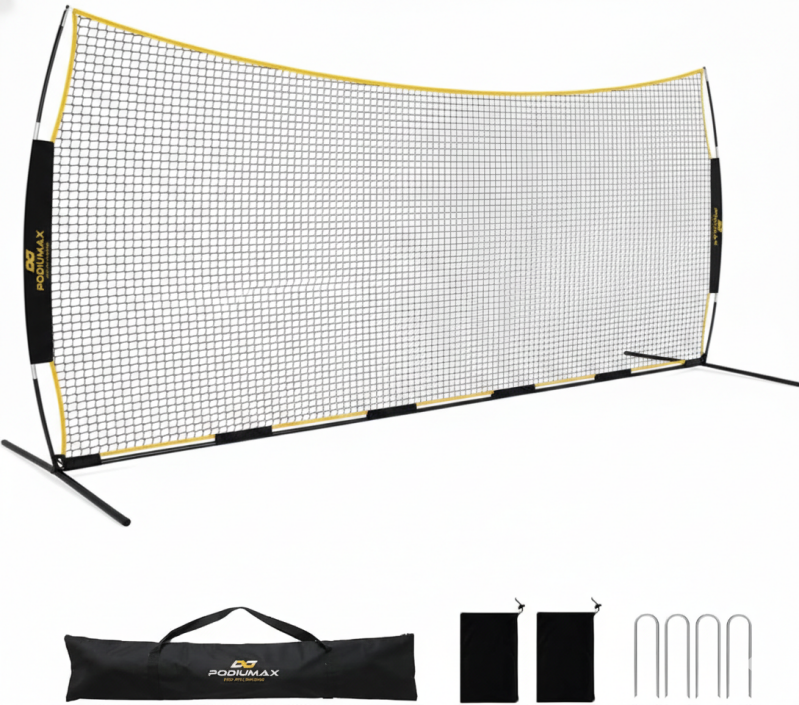
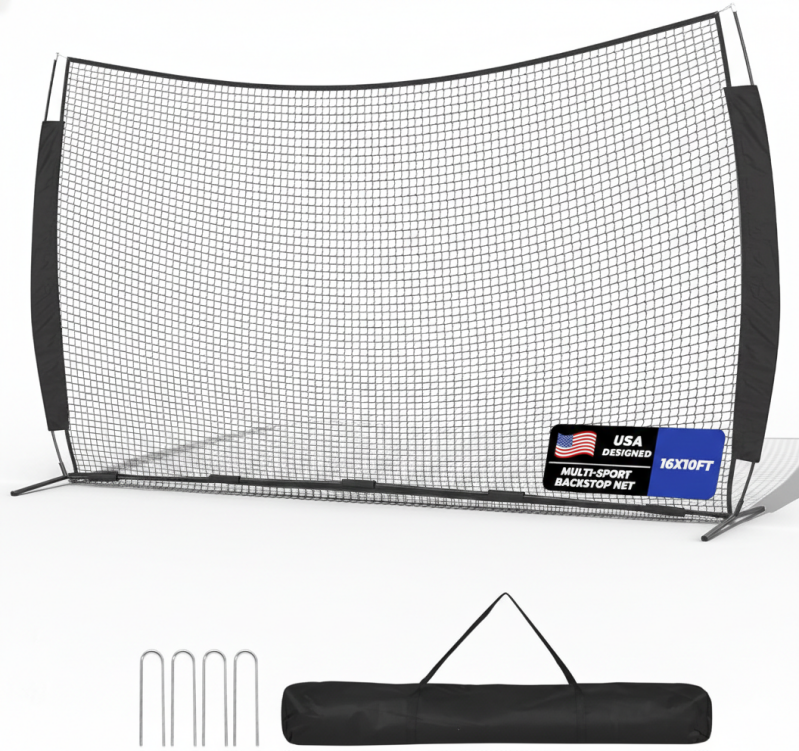
Training net selection starts with one question — what specific skill is being trained and who is doing the training. Hitters working solo on swing mechanics and contact consistency need a 7x7 hitting net with a stable triangular or weighted base that holds position through hard contact without tipping or shifting on every swing. Players who want a complete station in a single purchase should look at combo nets that bundle a 7x7 hitting net with a batting tee and strike zone target — everything needed for a full tee and soft toss session in one setup. Live batting practice setups where a human pitcher or coach is throwing need an L-screen in front of the pitcher to protect against comebackers — 7x7 and 7x4 configurations are the two most common sizes, with the larger format offering more coverage for pitchers who move laterally during their delivery. Barricade and backstop nets in 12x9 through 20x10 configurations are built for multi-use fields and practice facilities where balls need to be contained in a specific area to prevent them from leaving the training space or entering adjacent areas used by other players simultaneously. Pitchers training command without a catcher need a pitching target net with a 9-hole strike zone grid that gives immediate visual feedback on location across every pitch — inside corner, outside corner, up, down, and every quadrant of the zone. Pitch-back rebounder nets with adjustable angle settings give pitchers and infielders the most versatile solo training tool on this page — varying the return angle builds reaction time, footwork, and fielding mechanics across ground ball, line drive, and short-hop scenarios that show up in every game. For more detail on the pitching machines that pair with training nets for a complete high-rep hitting and pitching station, 💨 Best Pitching Machines for Practice (2026 Guide) covers every machine option worth considering alongside a quality net setup. Players building out a complete training environment should also explore ⚾ Best Baseball Training Tools & Equipment (2026) for the full range of skill development tools that complement every net type on this page.




Final Thoughts
Training nets for 2026 cover every player role and every training purpose — 7x7 hitting nets for solo hitter work, L-screens for live batting practice protection, barricade backstops for multi-use fields, pitching target nets for command development, and pitch-back rebounder nets for arm strength and fielding mechanics training without a partner. The right net for each use case is the one that holds up through daily use, sets up and breaks down in under five minutes, and solves the specific training problem the player faces every time they step into a practice session. Start with the net type that matches the primary training activity, confirm the size fits the available space, and build out from there as the training setup expands. For more detail on how training nets pair with batting cage setups for a complete facility training environment, 🥅 Best Batting Cage Nets (2026 Guide) covers every cage configuration that works alongside a quality training net. For the full catalog of training gear reviews and buying guides, 📝 Diamond Sports Equipment Blog & Gear Reviews has everything in one place.