Softball Cleats
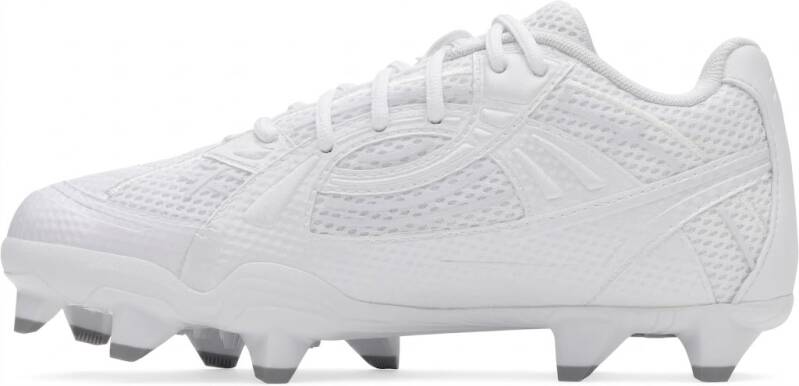
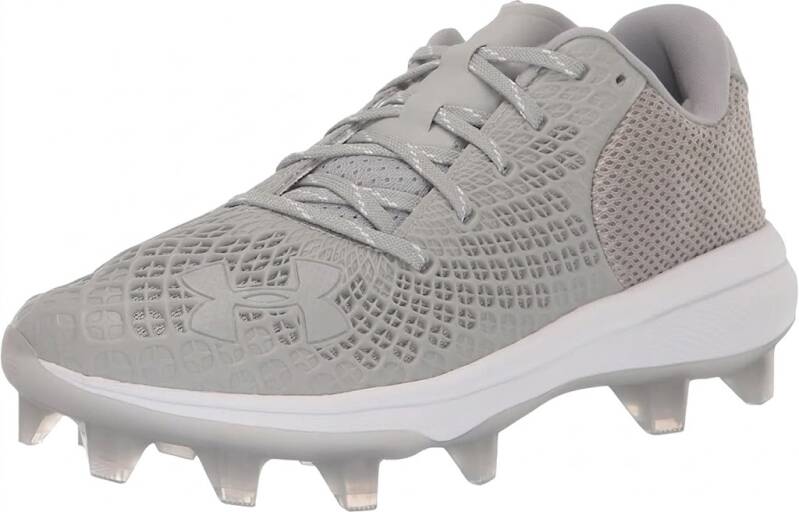
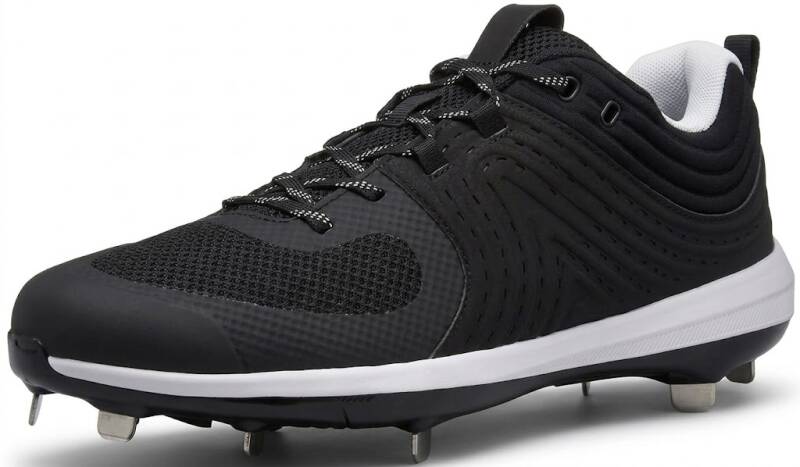
Softball cleats are one of the most position-specific and surface-dependent decisions in a player's gear setup — and getting it wrong costs real performance on every play throughout the season. Metal cleats deliver the most aggressive grip on natural grass and dirt at the competitive fastpitch level, but they are increasingly banned at turf facilities, indoor complexes, and youth leagues that make up a growing share of the modern softball calendar. Molded designs handle turf, grass, and dirt without surface restrictions, making them the most practical choice for players competing across multiple venue types throughout the season. TPU spike designs sit between both categories — more aggressive than standard molded rubber, and legal on most surfaces that restrict metal — and remain the most underutilized option for competitive players who need more than molded delivers but can't use metal at their primary facility. Cut height adds another layer to the decision: low cut designs maximize the lateral freedom that outfielders and middle infielders depend on, while mid-cut and higher collar options add the ankle support that catchers, corner infielders, and pitchers absorb repeated stress through on every play. Every pair in this category has been selected to cover a specific surface type, position demand, and competitive level — so every player can find the right match for how and where they actually play. For a full breakdown of how metal, molded, and TPU cleats compare on performance and surface legality, 👟 Softball Cleats: Metal vs Molded vs Turf (2026) covers the complete comparison. And for players evaluating cut height and ankle support alongside surface type, 👟 Low Cut vs High Top Softball Cleats (2026) has the full breakdown by position and playing style.
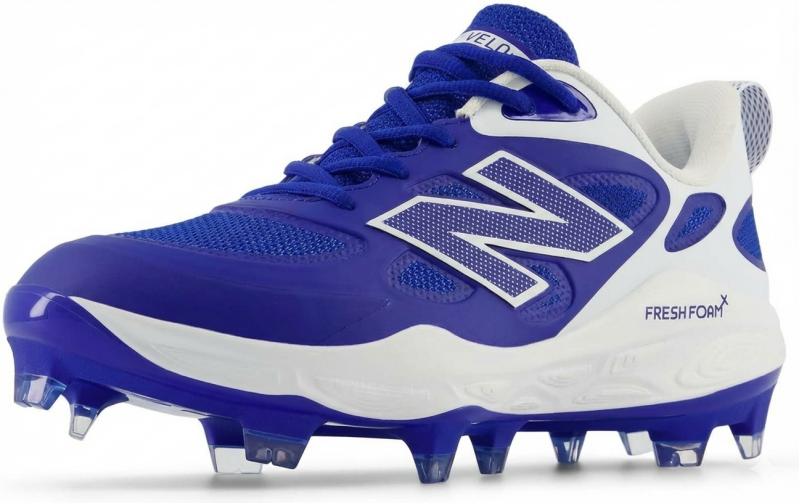

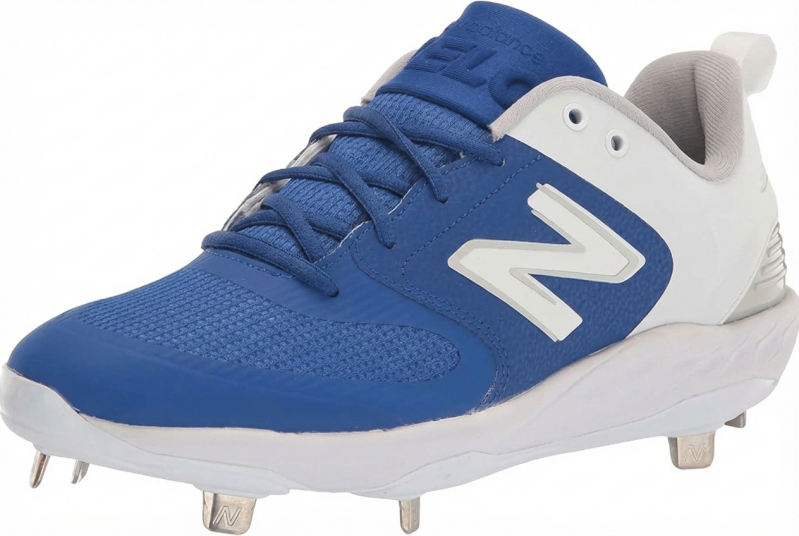

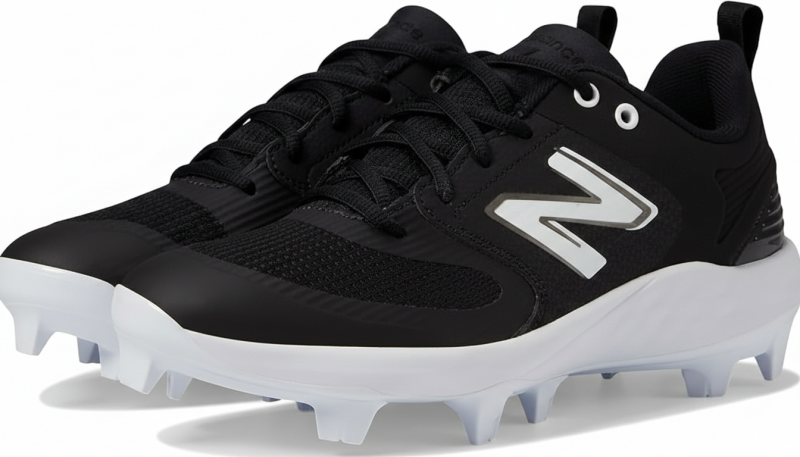
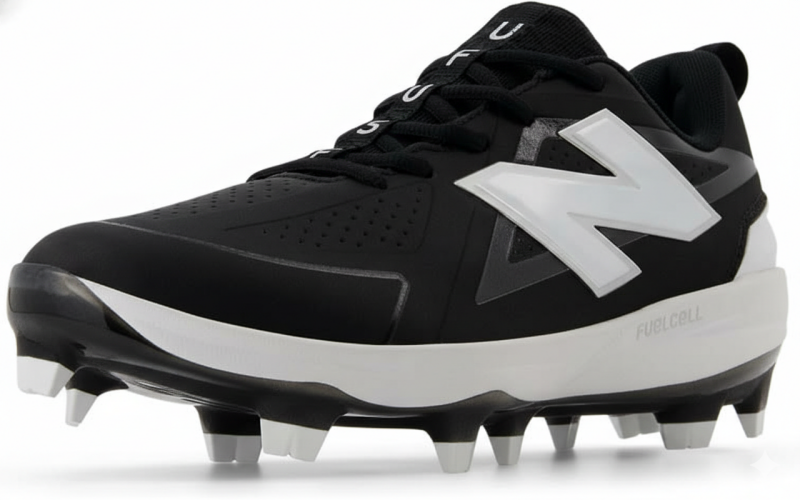

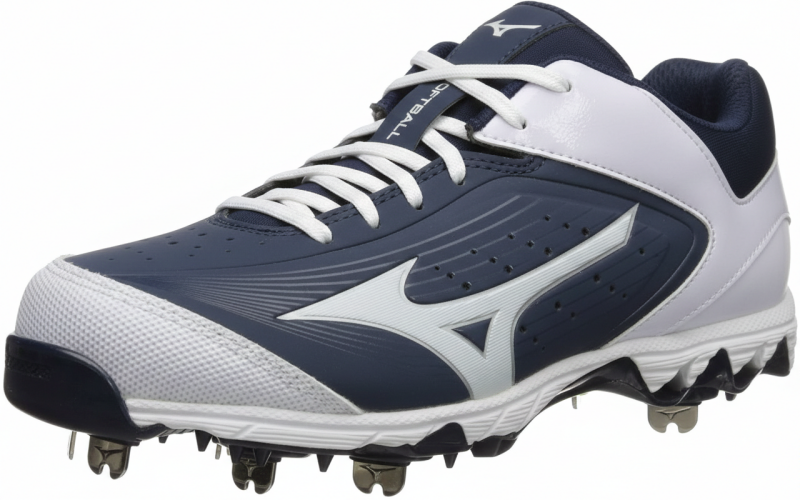
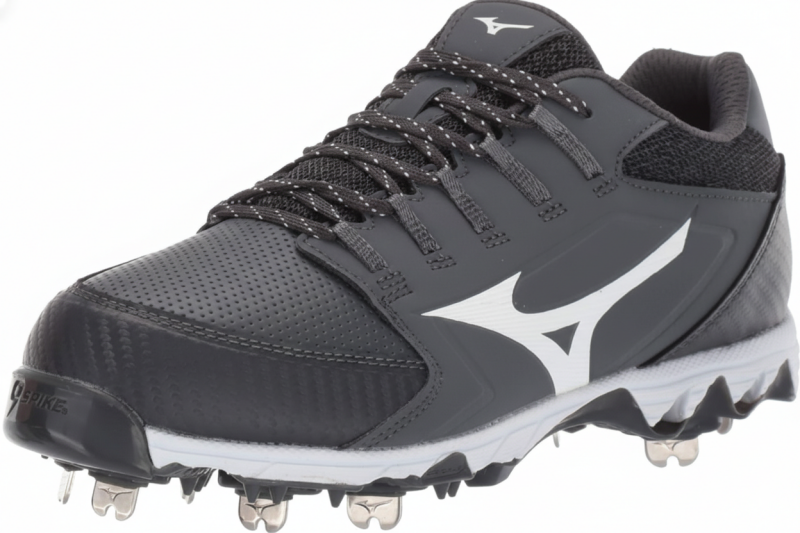
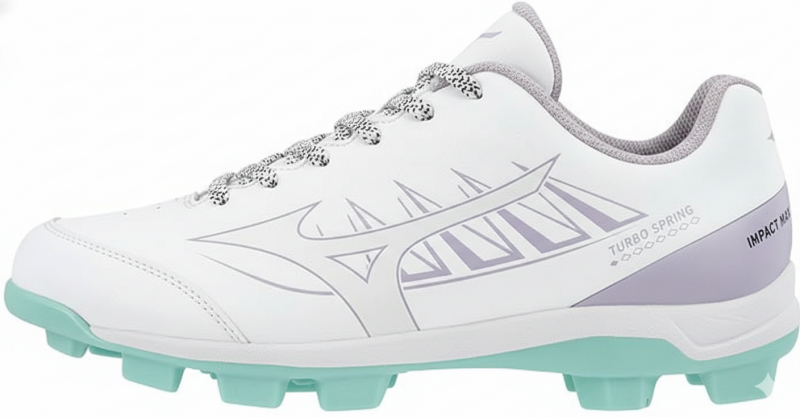


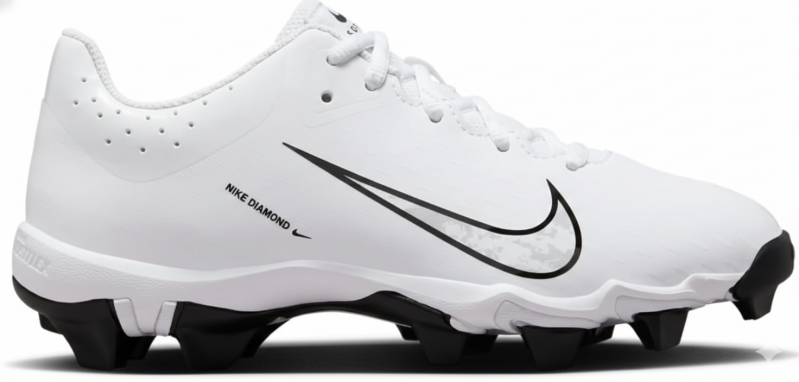
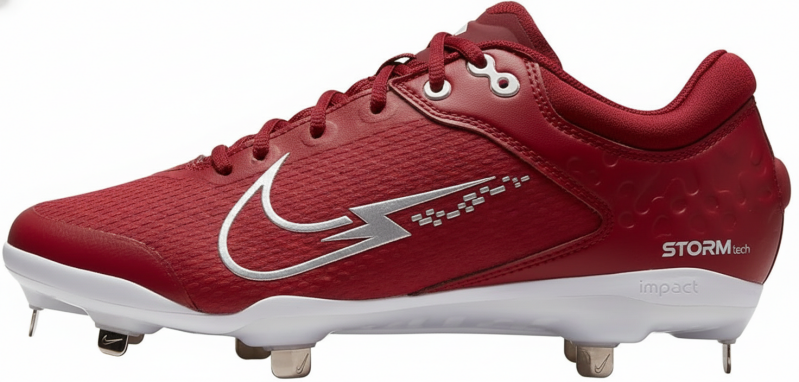
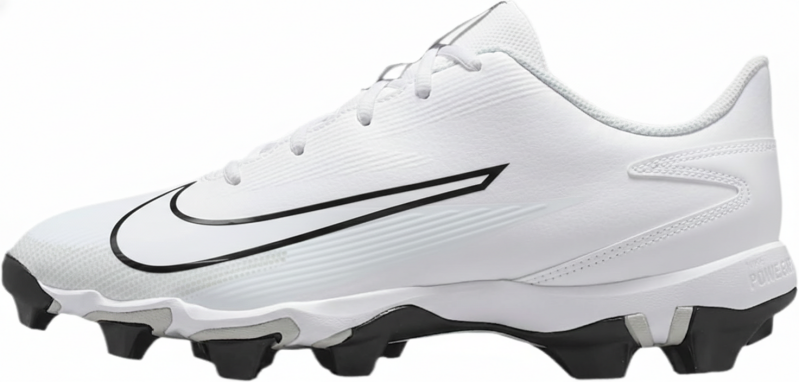
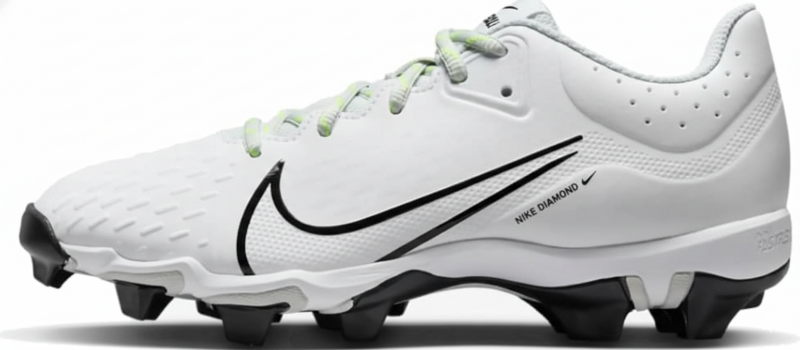

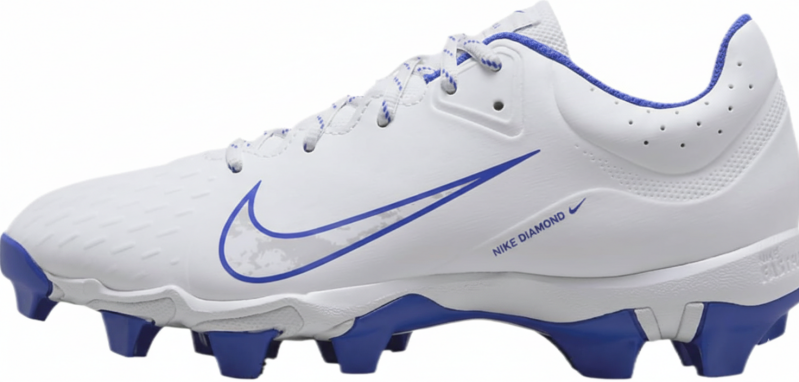
Metal vs. Molded: Choosing the Right Softball Cleat
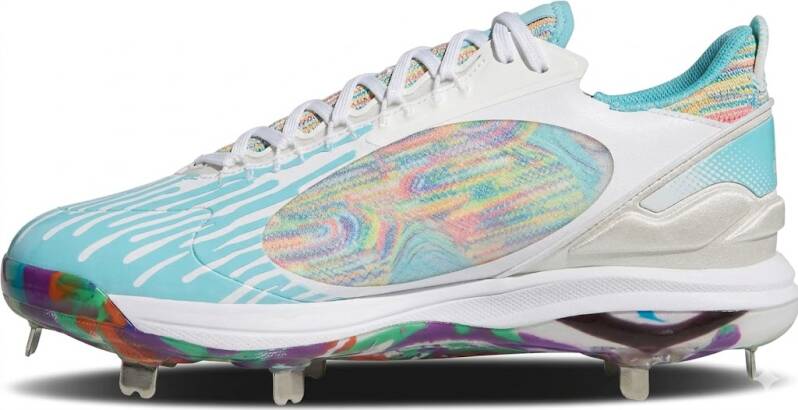
The biggest decision most softball players face when buying cleats is metal versus molded. Metal cleats dig deeper into dirt and clay surfaces, giving fastpitch players more aggressive traction off the mound, in the infield, and on the bases — but they're typically restricted at the youth level and not allowed on all fields. Molded cleats use rubber or TPU spike configurations that work across more surfaces, including turf and recreational fields, making them the more versatile everyday option for slowpitch and youth players. Beyond spike type, you'll want to consider ankle height — low-cut designs prioritize speed and agility, while mid-cut styles add lateral support for positions that demand quick directional changes. For more on how cleat type and field conditions should drive your decision, visit ⚾ How to Choose Baseball Cleats and ⚾ Metal vs Molded Cleats: Which Is Right?







Final Thoughts
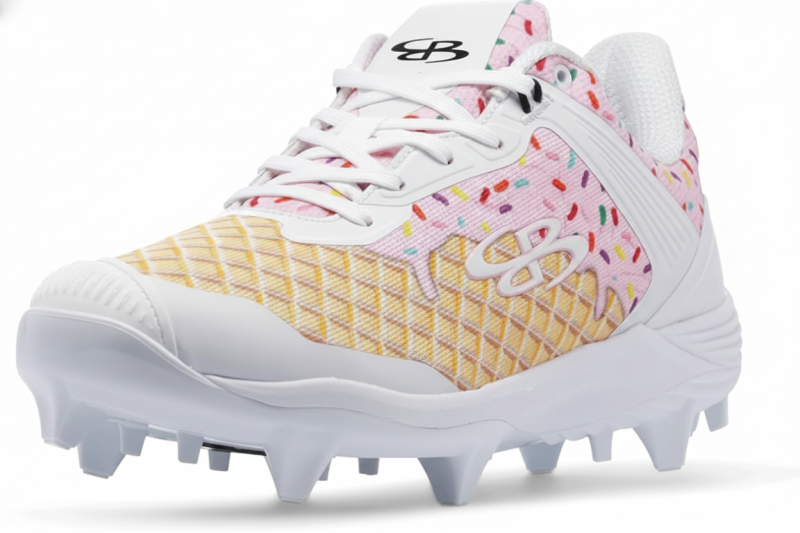
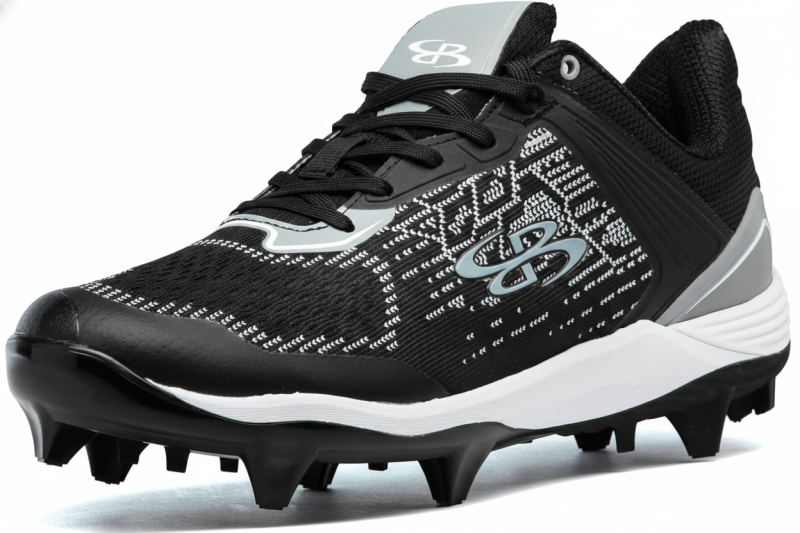
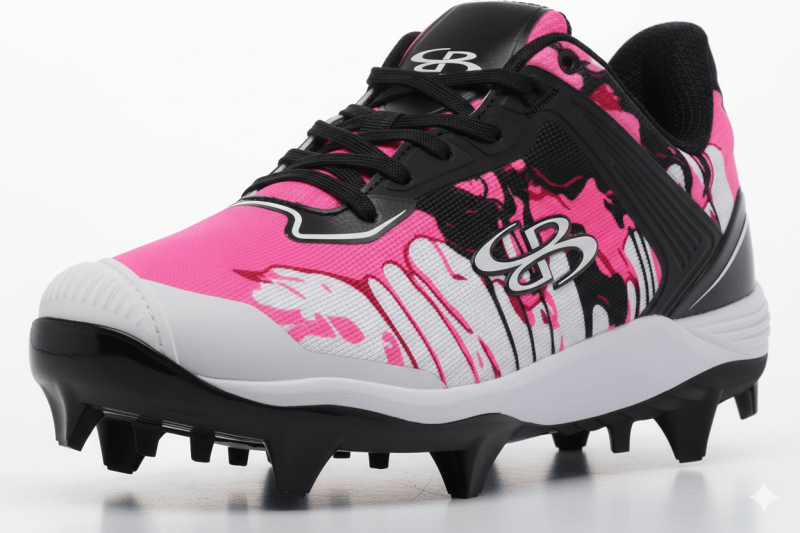
Softball cleats for 2026 cover every player profile from youth recreational through elite competitive fastpitch and slowpitch — molded, TPU, and metal designs from New Balance, Nike, Mizuno, Boombah, Under Armour, Adidas, and Ringor built for every surface, position, and competitive level on the diamond. The right cleat gives a player the traction to accelerate out of the box, the stability to make hard cuts in the infield, and the comfort to stay focused on the game instead of their feet through a full doubleheader. Start with your league's cleat requirements, match the cut height and construction type to your position and ankle support preference, and choose the brand that fits your foot shape and the specific performance demands of the level you're playing at. For more detail on the cleats built specifically for slowpitch players who cover larger outfield territory, 👟 Best Slowpitch Softball Cleats (2026) covers every option worth considering for the format. For the full catalog of softball gear reviews and buying guides, 📝 Diamond Sports Equipment Blog & Gear Reviews has everything in one place.