Chest Protectors for Maximum Safety and Mobility
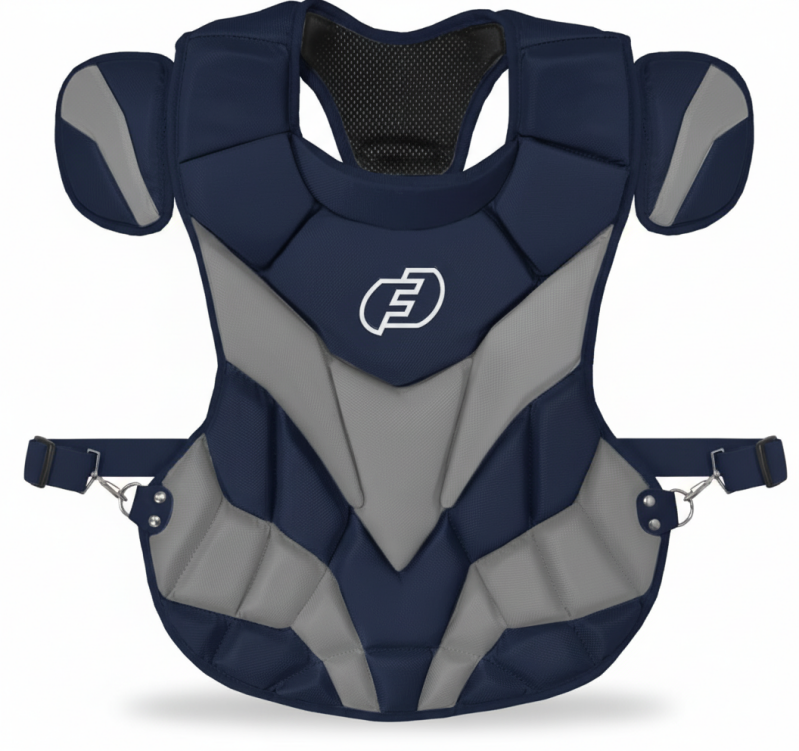
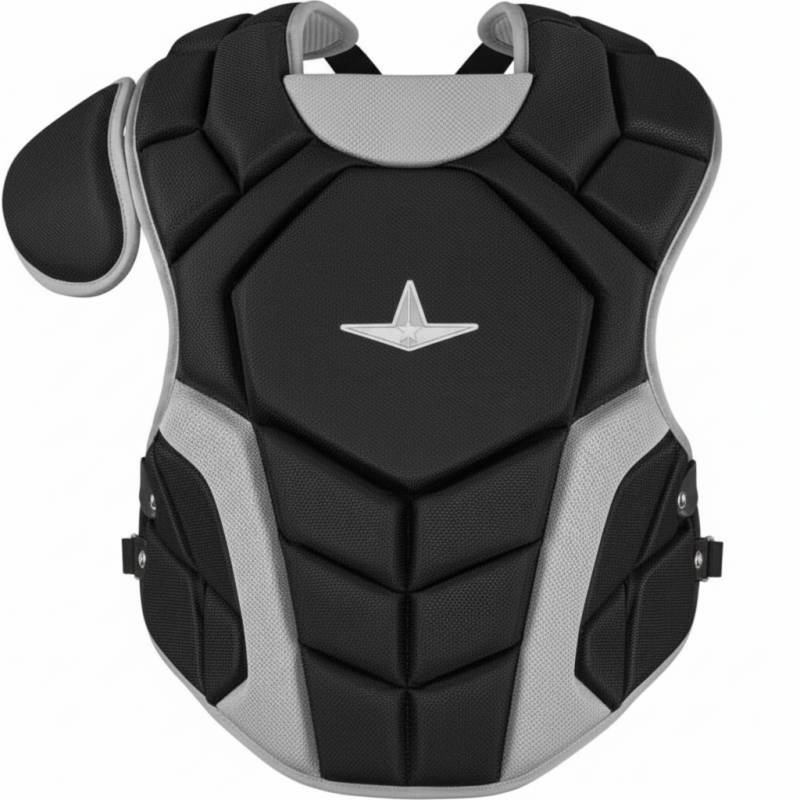
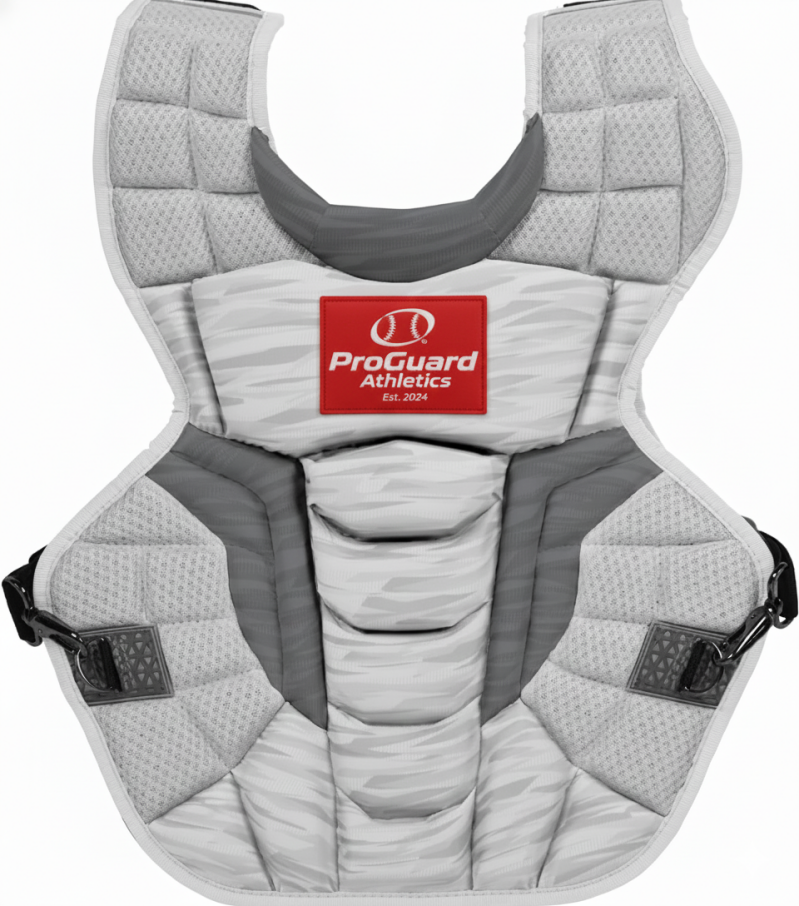
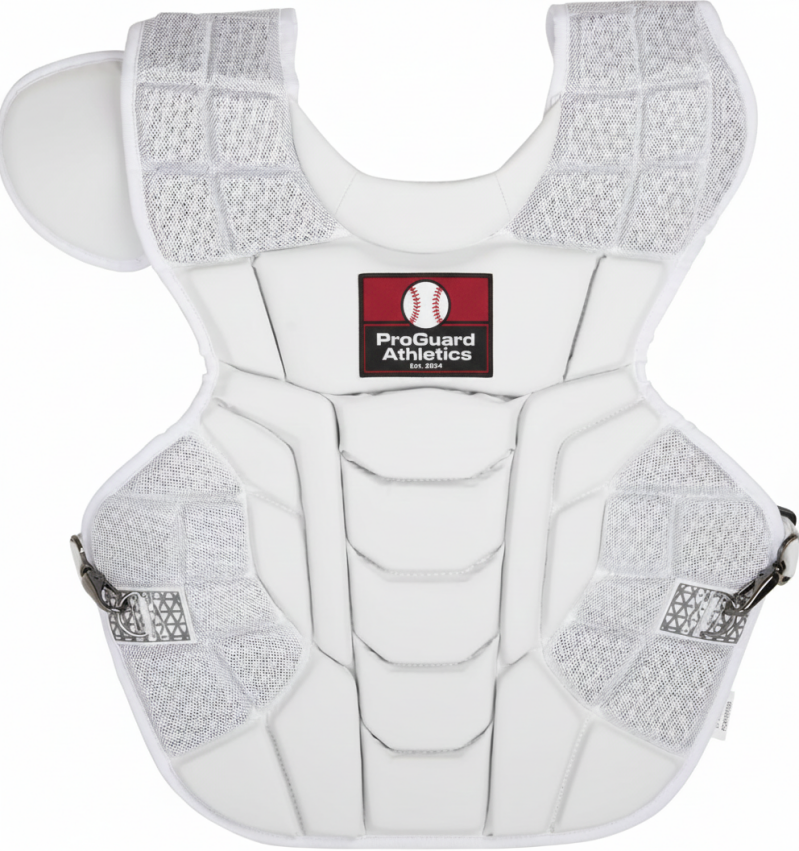
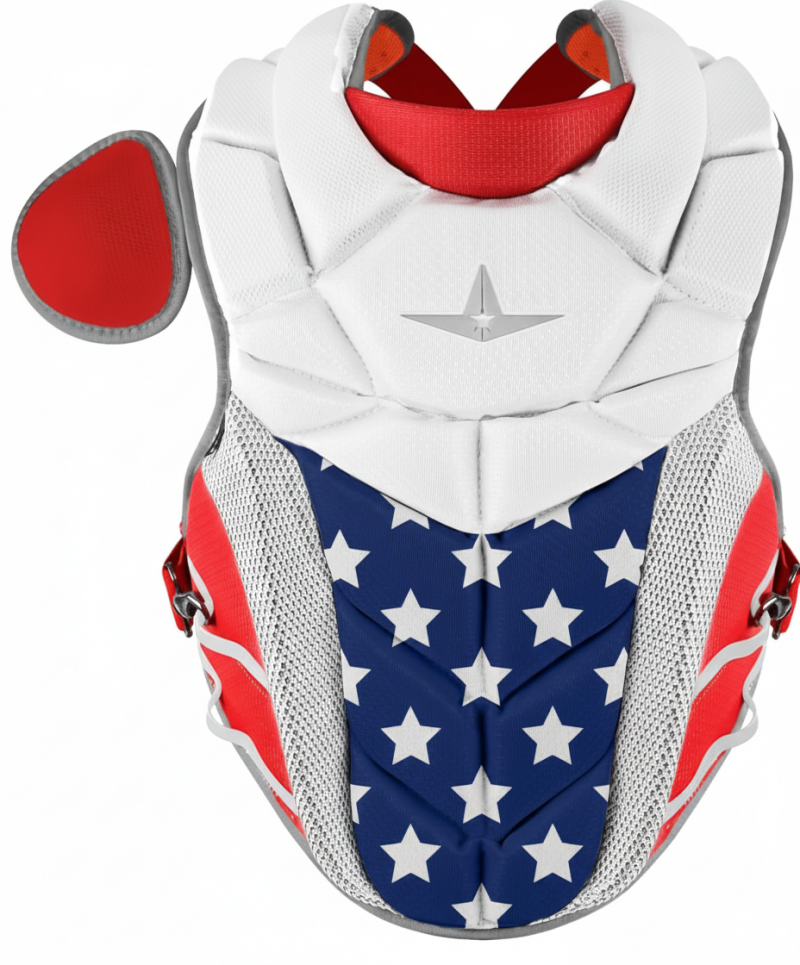
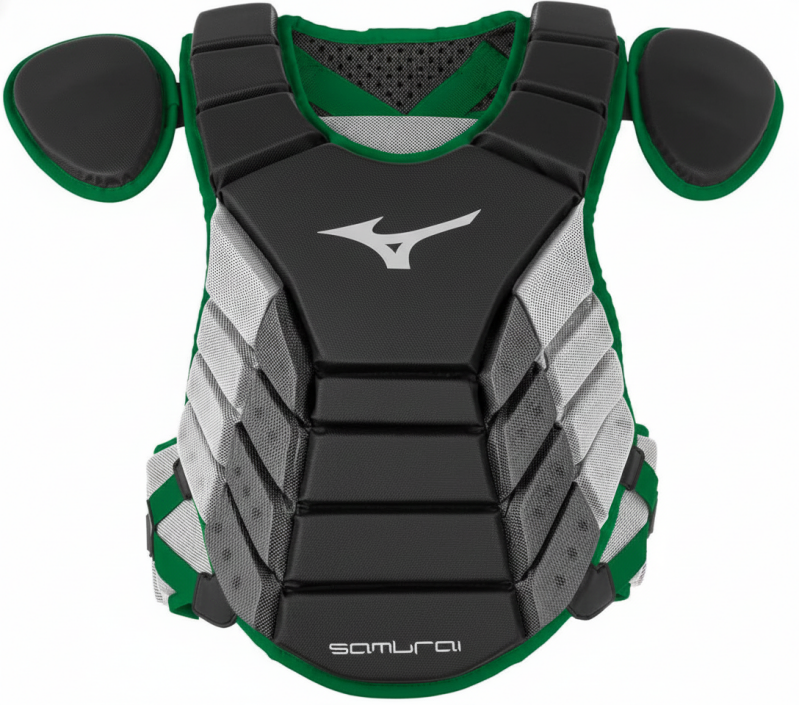
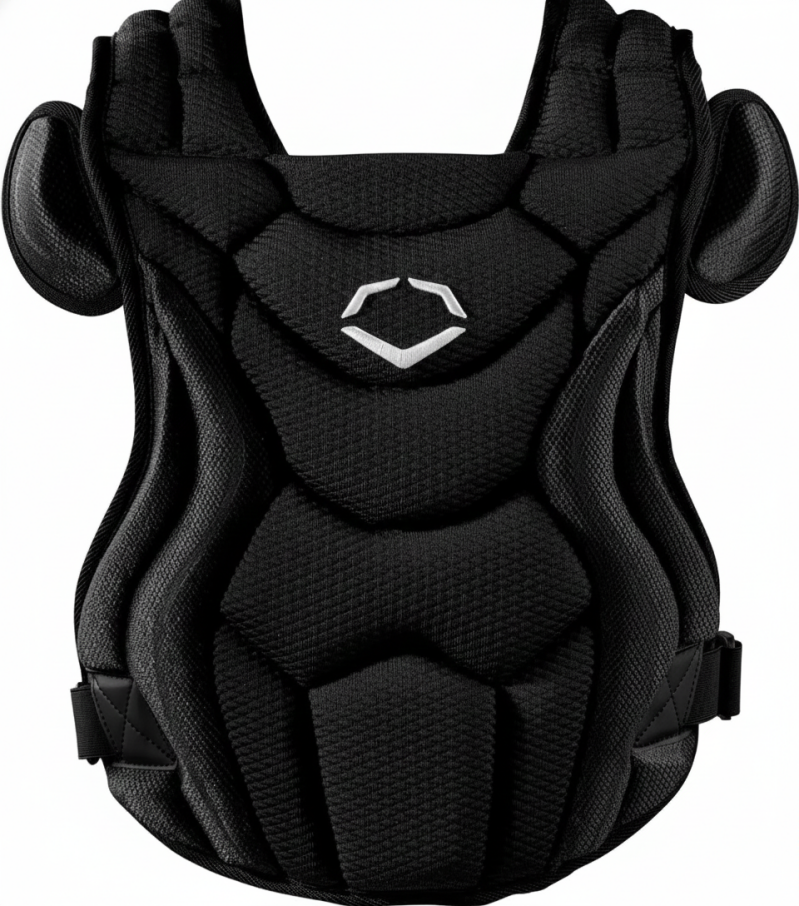
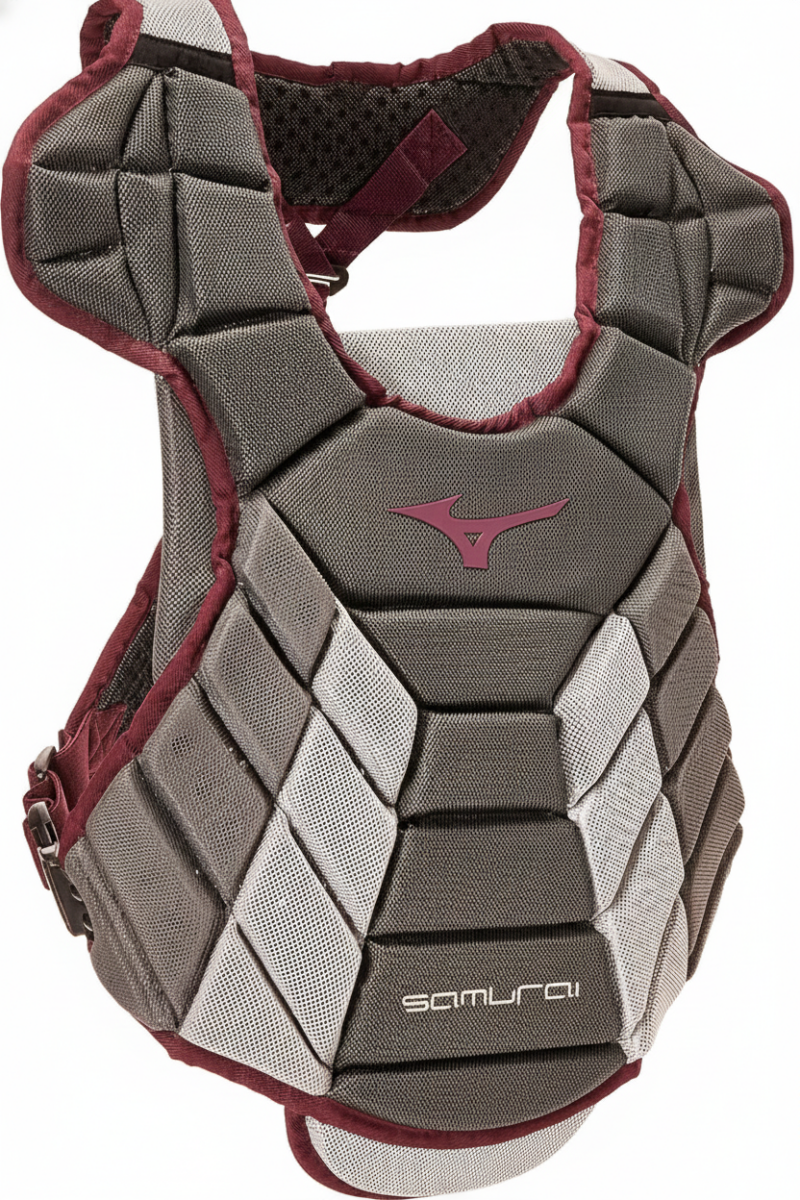
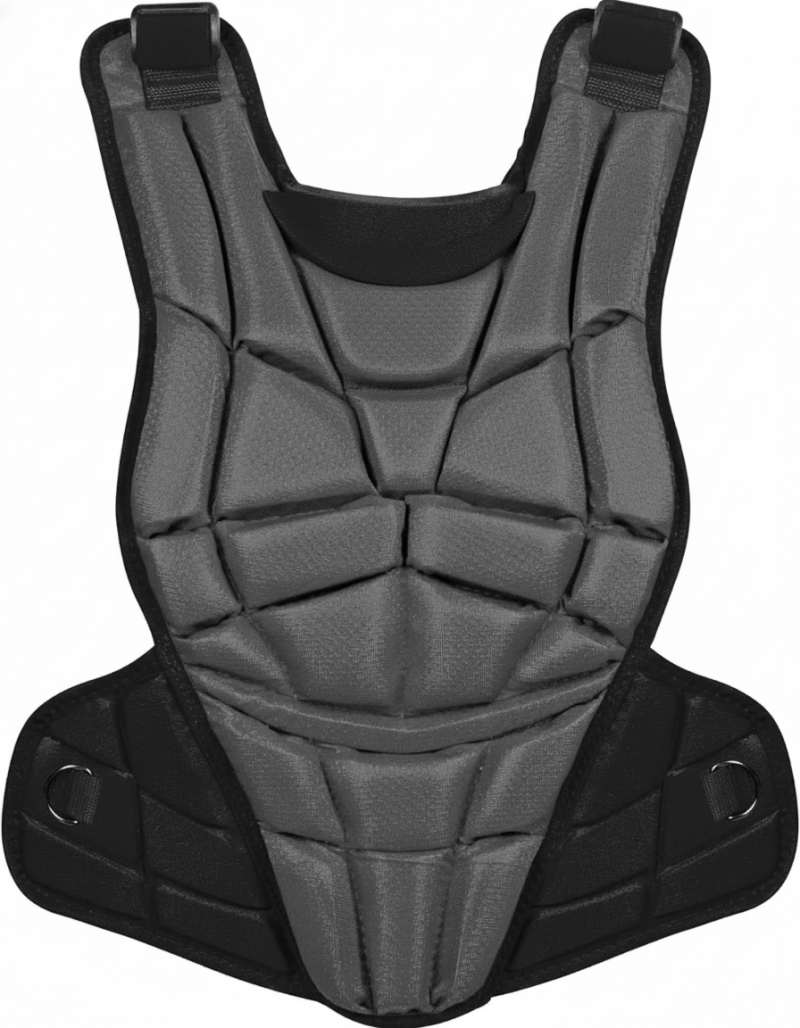
Catcher's chest protectors are the single most important piece of protective equipment behind the plate — absorbing foul tips, wild pitches, and direct contact impacts that would otherwise land on the sternum, ribs, and collarbone of a catcher in the squat position with no warning and no time to react. A chest protector that fits incorrectly creates coverage gaps at the shoulders and midsection where impacts are most dangerous. One that's too bulky restricts the throwing motion and slows transitions on steal attempts. One that doesn't meet NOCSAE certification standards isn't legal at most competitive youth and high school levels regardless of how well it looks. Getting the fit, the certification, and the construction right is what allows a catcher to focus entirely on calling the game instead of managing gear between pitches. The 2026 chest protector lineup covers baseball and fastpitch softball options for youth, intermediate, and adult players — from entry-level designs built for first-year catchers through elite Kevlar-reinforced and Gel-to-Shell technology platforms engineered for the most demanding competitive environments in high school and travel ball. Whether you're buying a first chest protector for a youth player or upgrading a competitive catcher's protective setup, every option on this page is built to absorb impact, allow athletic movement, and hold up through a full season of daily use behind the plate. For a complete breakdown of the top chest protectors across every tier and format, 🛡 Best Catcher's Chest Protectors (2026 Guide) covers every model in detail. Catchers building out a complete gear setup from individual pieces should also explore 🏆 Best Catcher's Gear Sets (2026 Guide) to see how chest protectors fit into a fully matched kit.








Final Thoughts
Catcher's chest protectors for 2026 cover every player profile from youth recreational through elite competitive fastpitch and high school baseball — NOCSAE certified designs built to absorb the full range of impacts the position demands without restricting the throwing mechanics, lateral blocking movement, and explosive transitions that make a catcher valuable behind the plate. The right chest protector fits the torso correctly, covers the shoulders and midsection without gaps, and moves with the athlete instead of working against them through nine full innings of catching. Start with your league's certification requirements, match the size to the catcher's torso length, and choose the protection tier that fits the competitive level and budget. For more detail on how chest protectors pair with helmets and shin guards in a complete protective setup, ⛑️ Best Catcher's Helmets & Masks (2026 Guide) covers the head protection side of the full catcher's kit. For the full catalog of catcher's gear reviews and buying guides, 📝 Diamond Sports Equipment Blog & Gear Reviews has everything in one place.