Baseball & Softball Gloves for Every Position
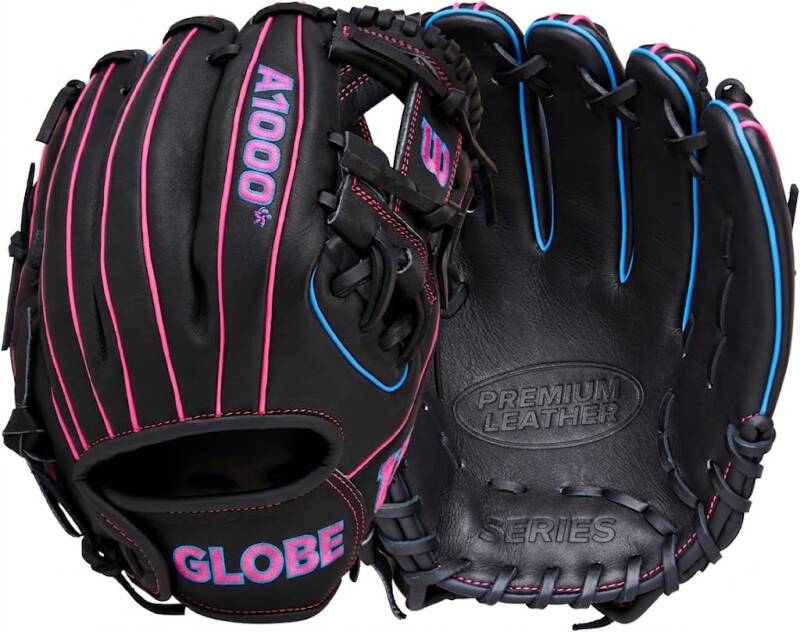
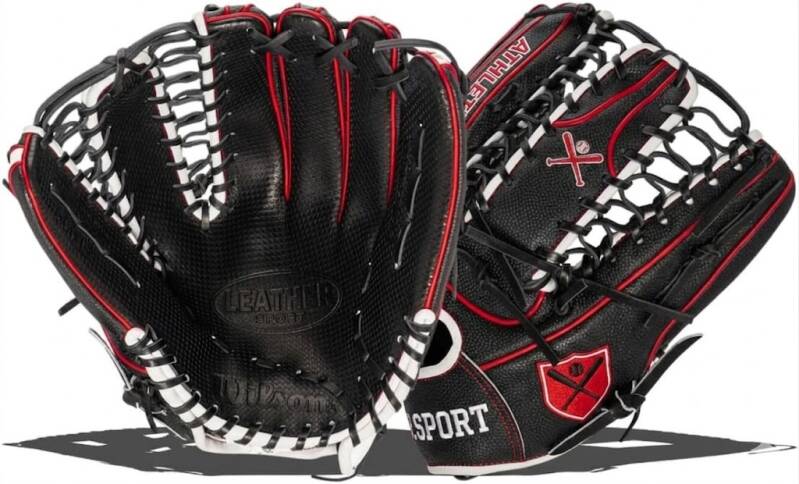
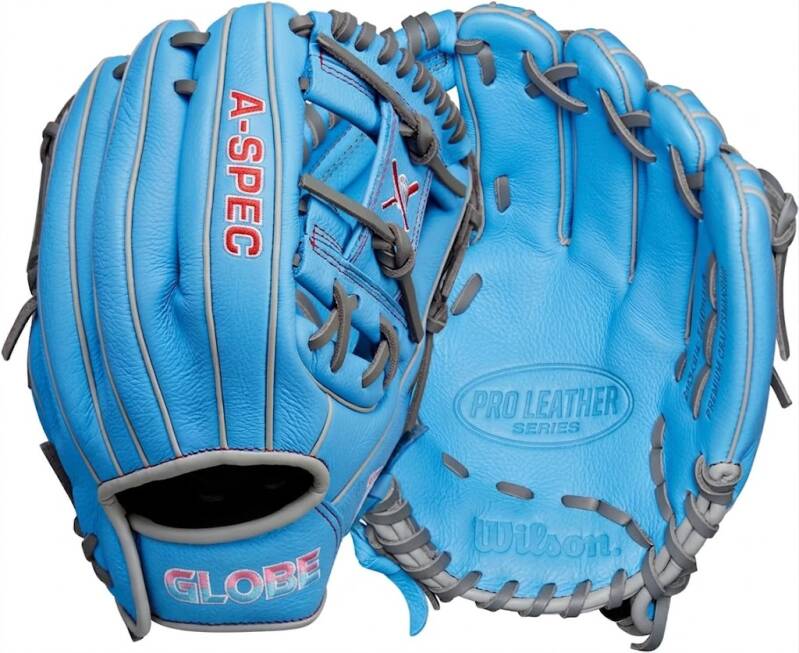
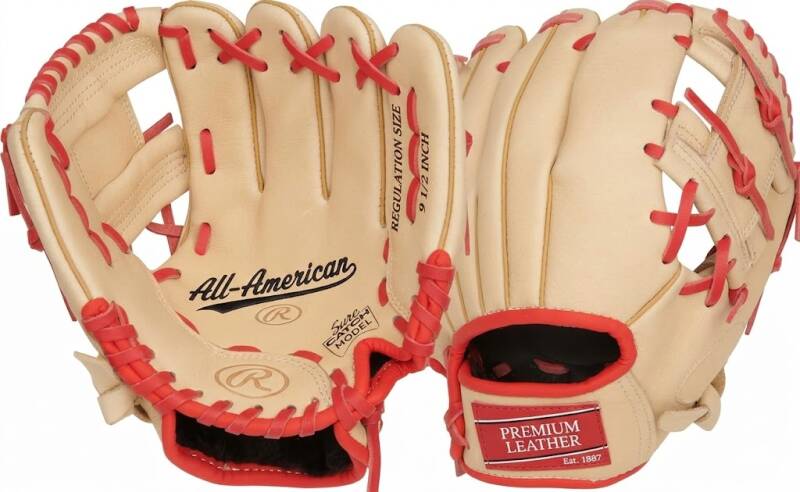
The glove is the most personal piece of equipment a baseball player owns — and the most misunderstood when it comes to buying decisions. Size, web style, leather grade, and back design all vary by position, and picking the wrong combination means breaking in a glove that fights you instead of works with you. Infielders need a shallower pocket and tighter fit to accelerate transfers; outfielders want length and a deeper pocket to secure balls in the gaps; pitchers rely on closed webs to hide their grip. Youth players have an entirely different set of needs, where lighter synthetic or lower-grade leather options allow for easier break-in and a more natural feel before the hand has fully developed. Whether you're shopping for your first glove or upgrading to a pro-level model, 🧤 How to Choose a Baseball Glove is the essential starting point, and 🧤 Best Baseball Gloves for Every Player (2026) covers the top performers across every position and budget.





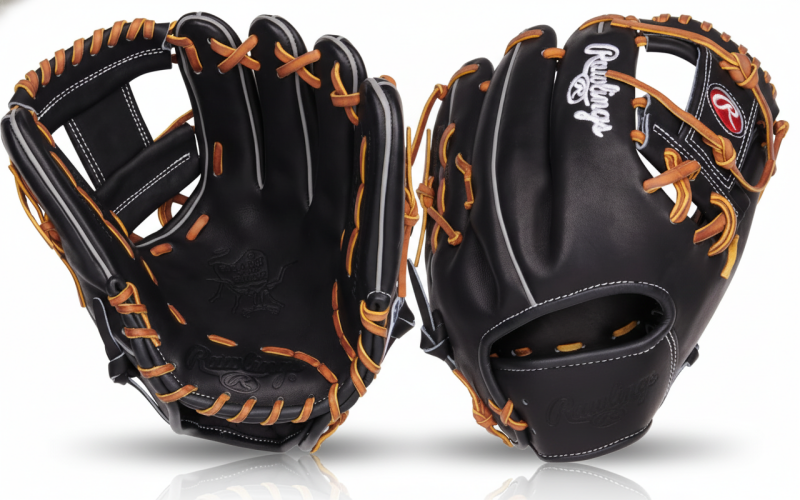


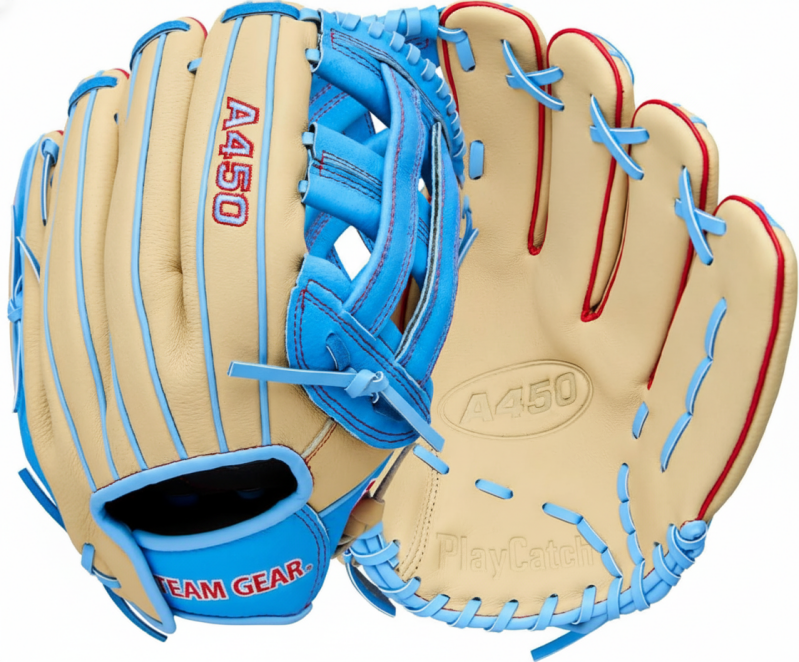
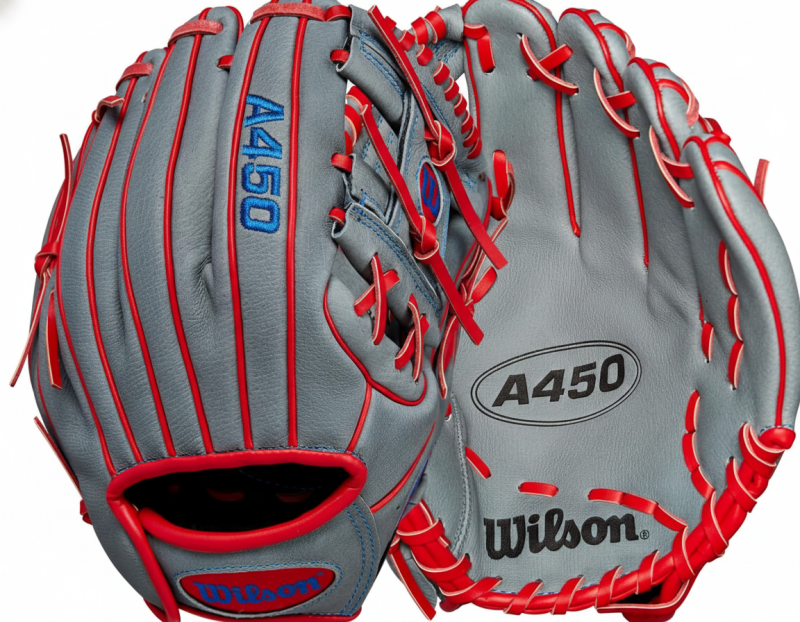
What to Look for in a Baseball Glove
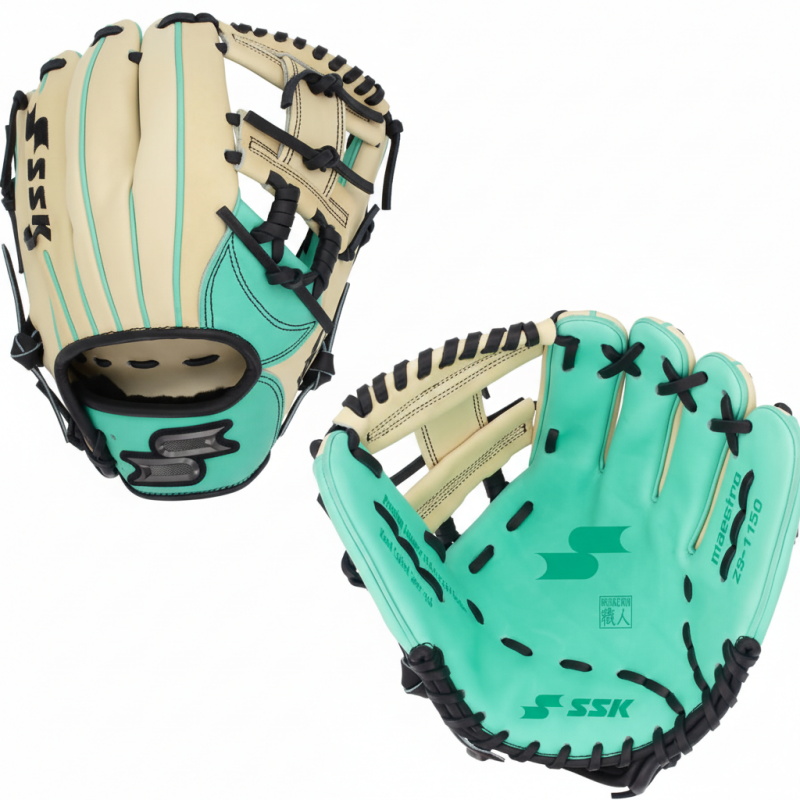
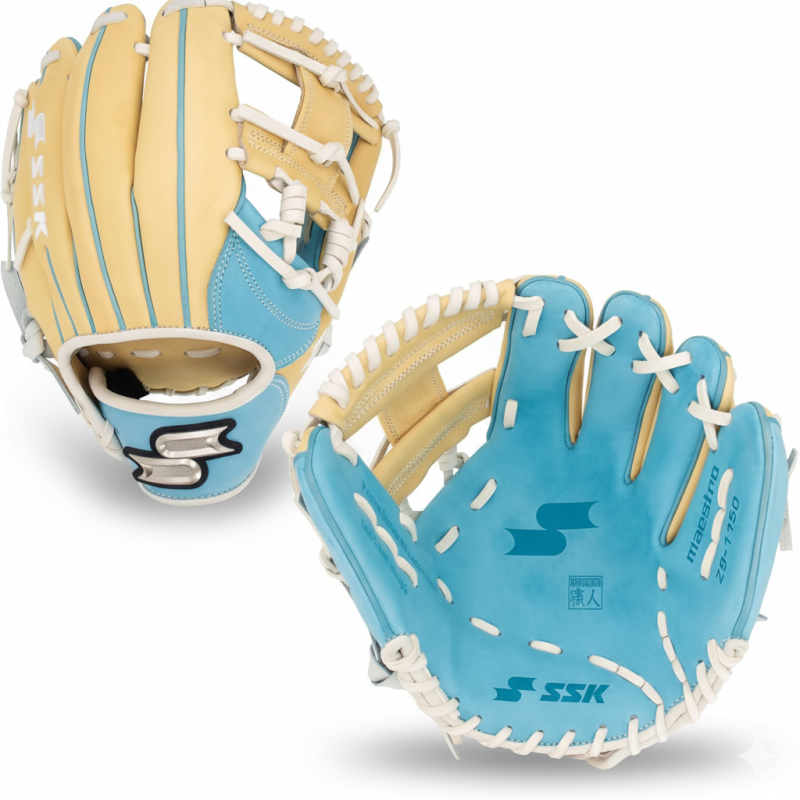
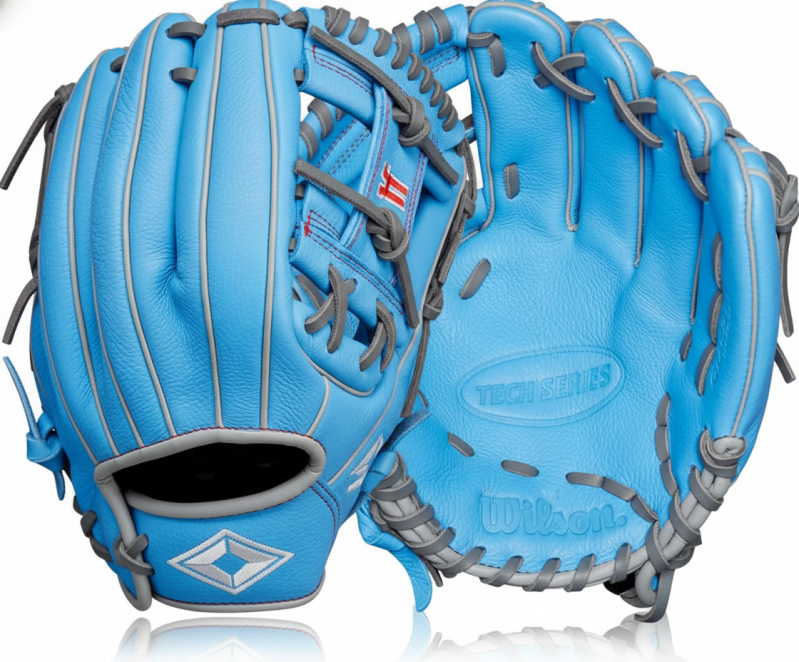
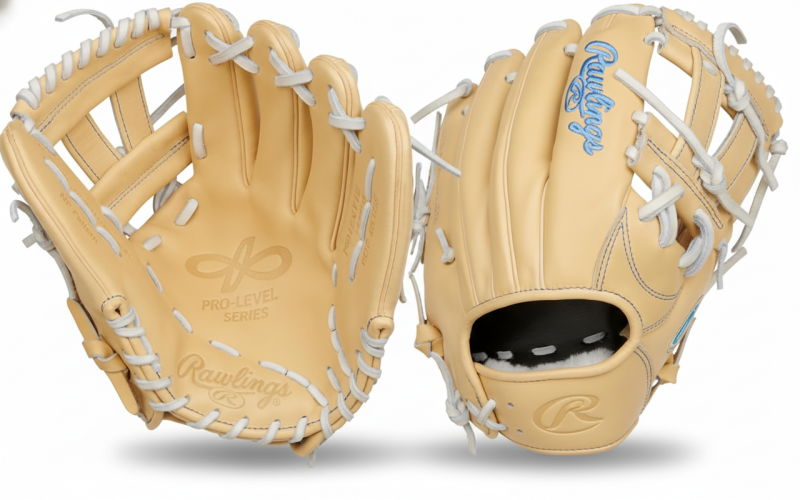
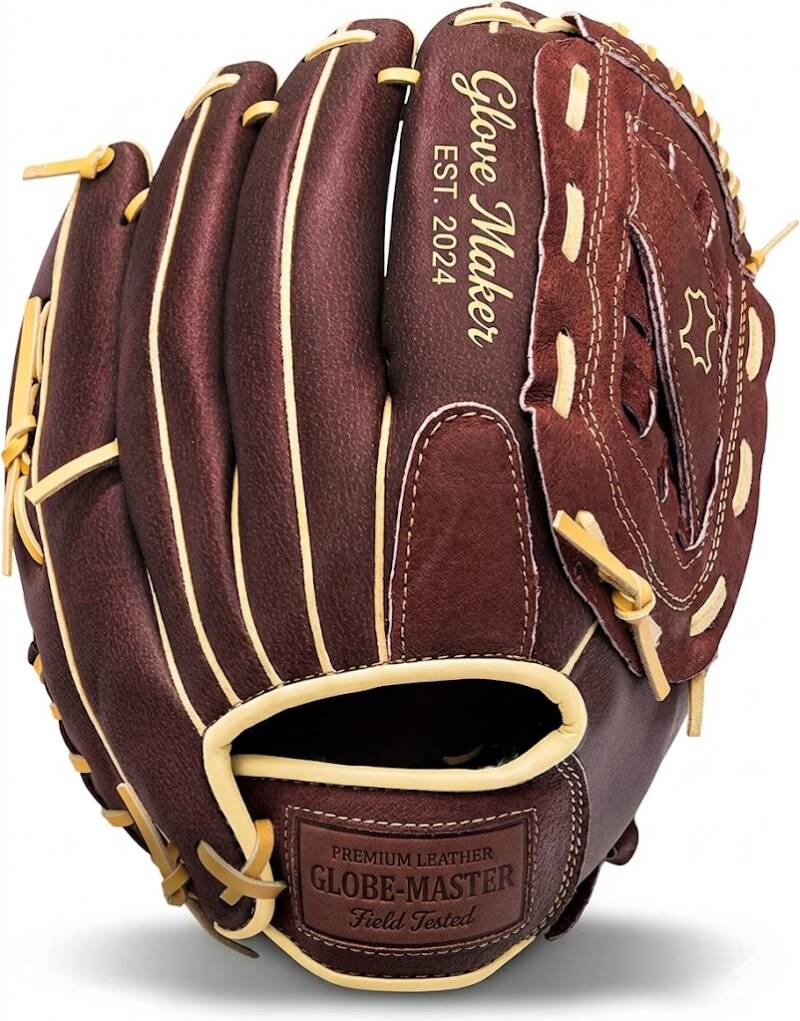
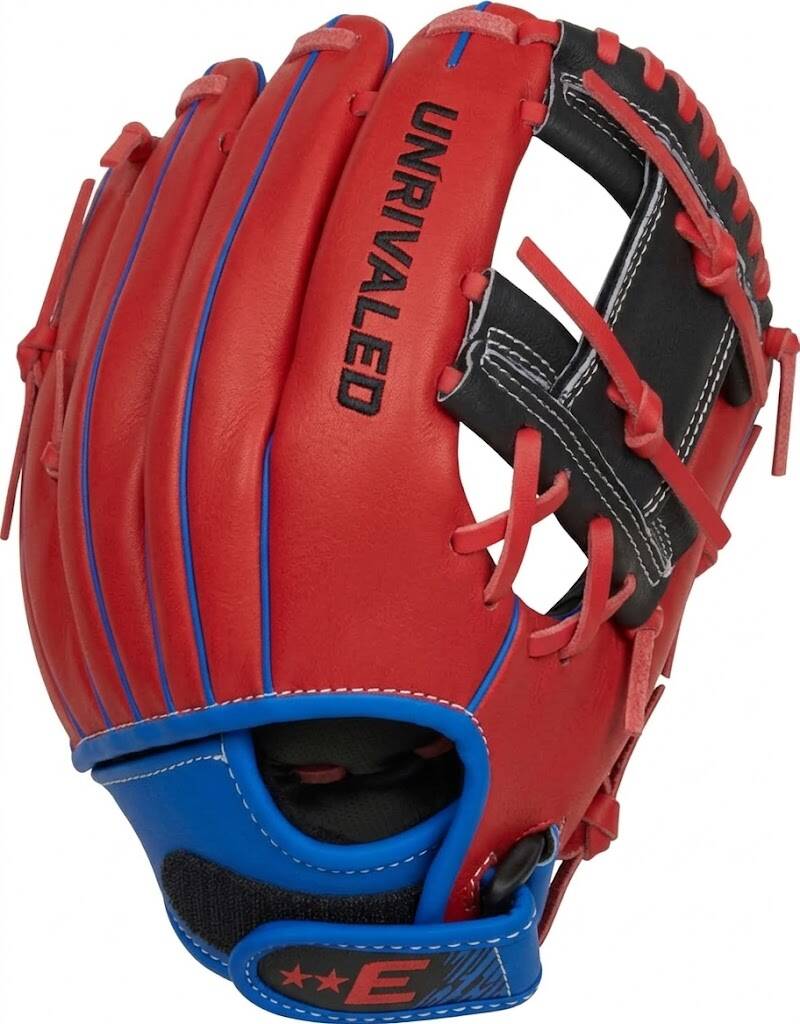
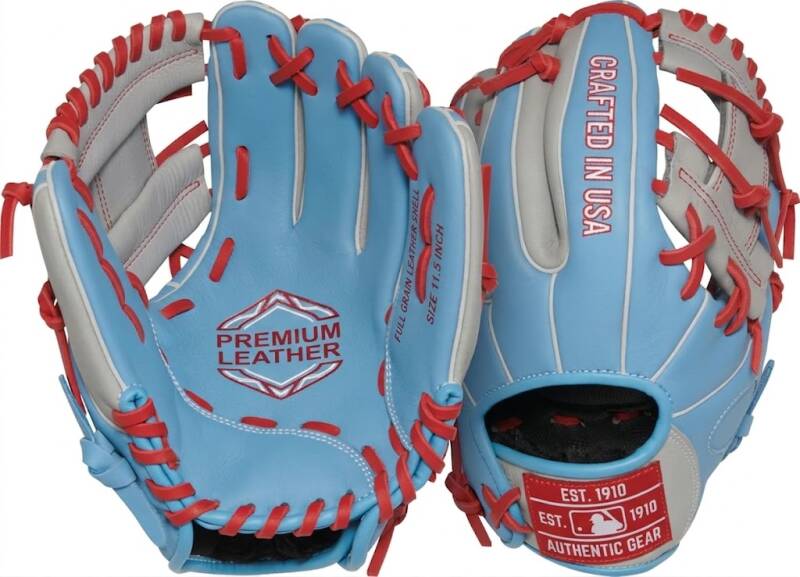
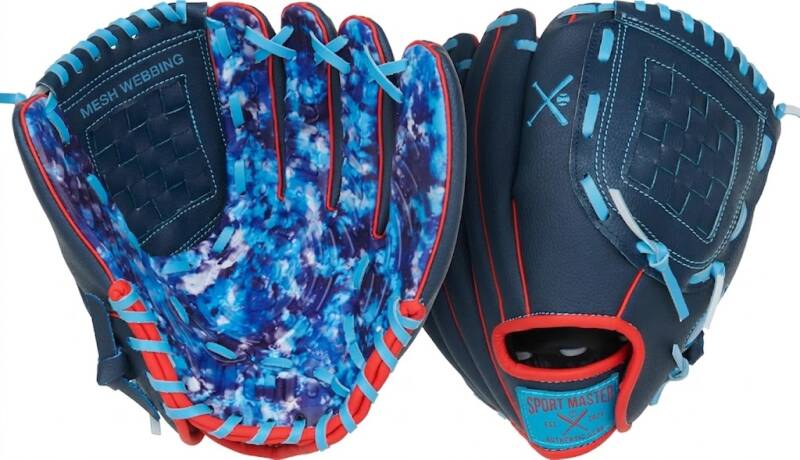
Leather quality is the single biggest factor separating a glove that lasts one season from one that becomes a career-long game-day companion. Full-grain and kip leather gloves are stiffer out of the box but reward the break-in process with a pocket that molds precisely to your hand shape and maintains its structure over hundreds of games. Steerhide is more affordable and widely used at the mid-tier level, offering a solid balance between durability and break-in time. Synthetic and mesh gloves are designed for youth players and recreational use — they're game-ready immediately but don't develop the same feel or longevity as leather over time. Web style matters just as much: H-web and modified trap designs are popular with outfielders for their flexibility and depth, while I-web and single-post designs are preferred by infielders who need to see through the web when tracking pop-ups. For a breakdown of how web, size, and pocket design change across positions, 🧤 Infield vs Outfield Gloves Explained covers all the key differences, and 🧤 Best Youth Baseball Gloves (2026) is the go-to resource for parents buying their first serious glove for a developing player.



Final Thoughts
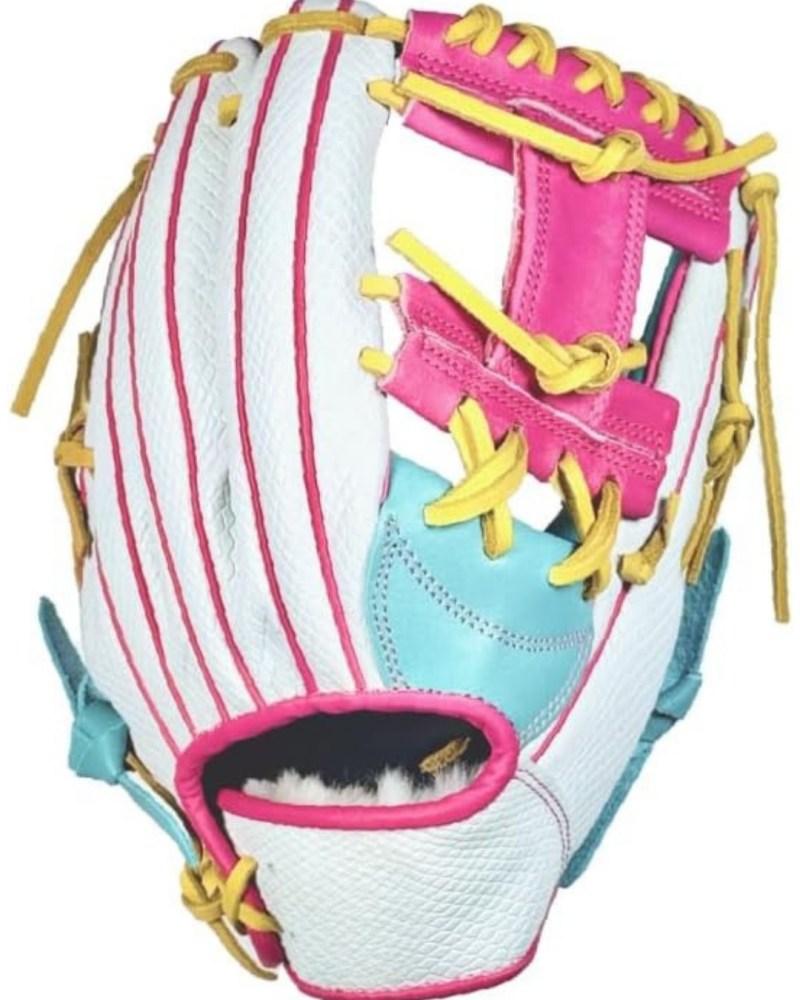
A great glove doesn't just catch the ball — it builds the confidence to attack every ball hit your way. The right combination of size, leather grade, and web style for your position creates a glove that feels like a natural extension of your hand, not something you're fighting to squeeze shut on every play. Take the time to match the glove to the position, invest in leather conditioner to accelerate the break-in process, and don't rush the decision based on aesthetics alone. Every model on this page was selected to cover a real need at a real position across youth, high school, and competitive adult levels. When you're ready to go deeper on any specific category, 🧤 Best Infield Baseball Gloves (2026) and 🧤 Best Outfield Baseball Gloves (2026) break down the top options position by position, and 📝 Diamond Sports Equipment Blog & Gear Reviews has guides to help you build a complete, well-matched gear setup from the ground up.