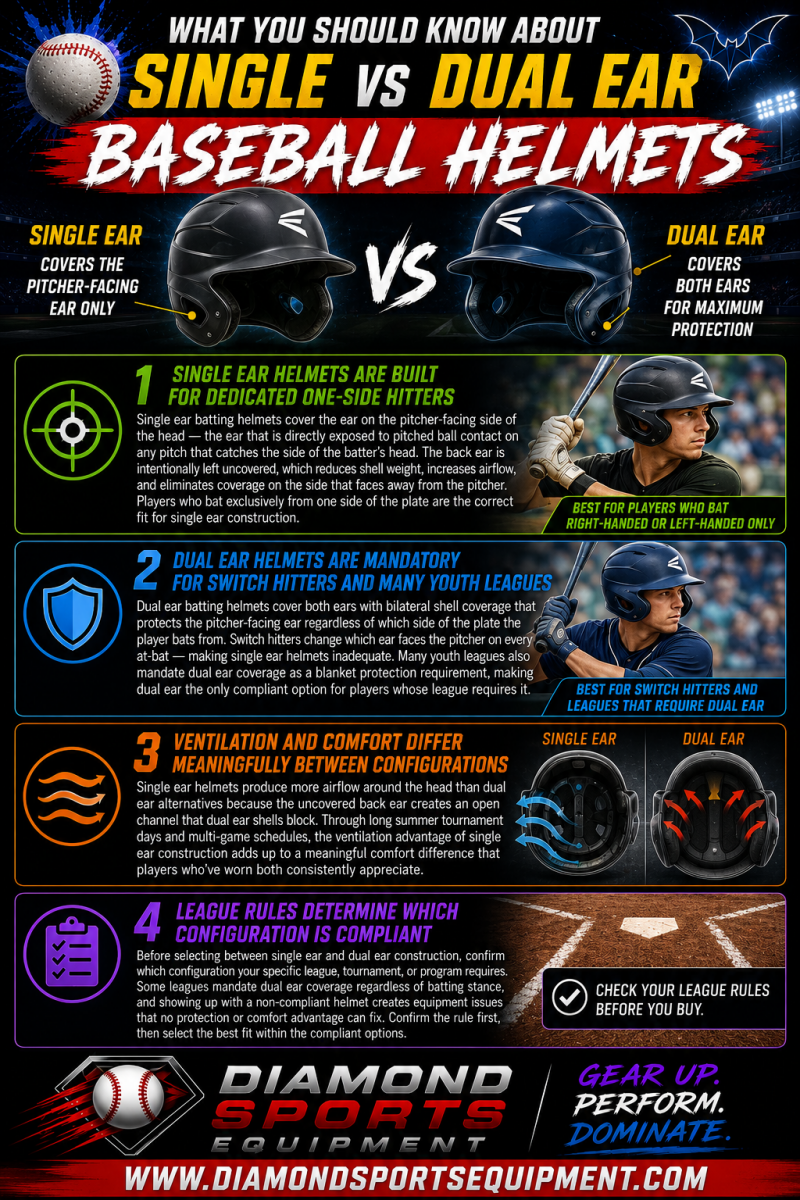
The ear guard decision is one of the most overlooked equipment choices in baseball — and most players make it by default rather than by design. Single ear and dual ear batting helmets are not interchangeable designs with cosmetic differences between them. They serve fundamentally different players in fundamentally different competitive situations — and the player who grabs whichever helmet is available in the right size without considering which ear guard configuration actually matches their hitting stance, league requirements, and protection priorities is making a decision that affects every at-bat of the season without realizing it. Single ear helmets cover the ear facing the pitcher — leaving the back ear exposed for the player who bats exclusively from one side of the plate and wants the combination of pitcher-side protection and the ventilation and comfort that an uncovered back ear delivers through a full competitive day. Dual ear helmets cover both ears — delivering complete bilateral coverage that serves switch hitters who need pitcher-side protection from both sides of the plate, youth players whose leagues mandate dual ear coverage, and players whose protection priority places bilateral coverage above the single-side comfort advantages that single ear designs deliver. Neither configuration is universally superior — and the player who selects based on aesthetics or availability rather than actual stance, league mandate, and protection priority is wearing the wrong helmet every time they step into the box. Players who want the full baseball batting helmet selection picture alongside this guide should check out 🪖 Baseball Batting Helmets for 2026 for the complete construction and protection framework and ⚾ How to Size a Baseball Helmet for the measurement and fit process that produces a correctly fitted helmet regardless of ear guard configuration.
⚾ What You Should Know About Single vs Dual Ear Baseball Helmets
🎯 Single Ear Helmets Are Built for Dedicated One-Side Hitters
Single ear batting helmets cover the ear on the pitcher-facing side of the head — the ear that is directly exposed to pitched ball contact on any pitch that catches the side of the batter's head. The back ear is intentionally left uncovered, which reduces the total shell weight, increases airflow around the back of the head, and eliminates the coverage on the side that faces away from the pitcher on every pitch. Players who bat exclusively from one side of the plate — either always right-handed or always left-handed — are the correct fit for single ear construction because their pitcher-facing ear is always the same ear regardless of the opponent or situation.
🛡️ Dual Ear Helmets Are Mandatory for Switch Hitters and Many Youth Leagues
Dual ear batting helmets cover both ears with bilateral shell coverage that protects the pitcher-facing ear regardless of which side of the plate the player bats from on any given at-bat. Switch hitters who alternate between right-handed and left-handed stances change which ear faces the pitcher on every at-bat — making single ear helmets functionally inadequate for players whose pitcher-facing ear changes depending on the opponent. Many youth leagues also mandate dual ear coverage as a blanket protection requirement regardless of whether the player switch hits, making dual ear the only compliant configuration for youth players whose league rules require bilateral coverage.
🌬️ Ventilation and Comfort Differ Meaningfully Between Configurations
Single ear helmets produce more airflow around the head than dual ear alternatives because the uncovered back ear creates an open channel that dual ear shells block with additional coverage material. Through long summer tournament days and multi-game competitive schedules, the ventilation advantage that single ear construction delivers above dual ear alternatives accumulates into a meaningful comfort difference that players who have worn both configurations consistently cite as one of the practical reasons they prefer single ear coverage when their league and stance allow it.
📋 League Rules Determine Which Configuration Is Compliant
Before selecting between single ear and dual ear construction, players and parents need to confirm which configuration their specific league, tournament, or program requires — because some youth and recreational leagues mandate dual ear coverage regardless of batting stance, and showing up with a non-compliant helmet creates equipment issues that no protection or comfort advantage compensates for once the game is underway. Confirm the rule first, then select the configuration that best fits the player's stance and protection priorities within the compliant options the league permits.
🏆 Best Single vs Dual Ear Baseball Helmets for 2026
These six baseball batting helmets represent both ear guard configurations across every performance tier — three single ear designs built for the dedicated one-side hitter who wants pitcher-side coverage alongside the ventilation and comfort that bilateral coverage can't deliver, and three dual ear designs built for the switch hitter, youth player, or protection-priority competitor whose situation demands bilateral coverage above all else.
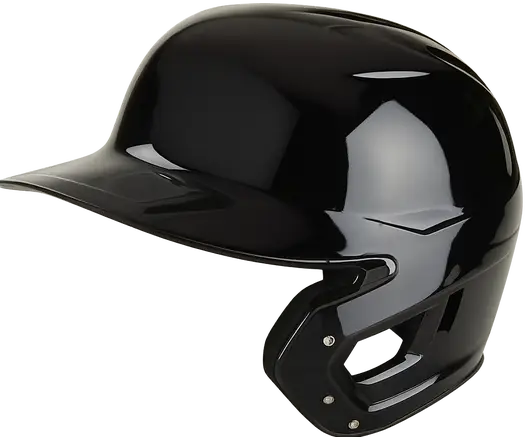
🔩 Rawlings MACH Single Ear Batting Helmet
Best For: Competitive high school and adult players who want Rawlings' MACH protection platform in a single ear configuration — the dedicated one-side hitter whose pitcher-side coverage priority and Rawlings brand confidence align with what the MACH Single Ear delivers as the single ear variant of Rawlings' most advanced batting helmet construction.
Construction: Single ear with Rawlings' MACH platform construction — a single ear design that delivers Rawlings' advanced impact management and protection engineering in the one-sided coverage configuration that dedicated right-handed or left-handed hitters whose pitcher-facing ear is always the same ear require for compliant competitive use.
Material: Rawlings MACH shell construction with single ear coverage — the same MACH platform material specification that Rawlings' advanced batting helmet engineering produces in a single ear format, delivering certified impact protection on the pitcher-facing side alongside the ventilation and comfort advantages that the uncovered back ear creates above bilateral alternatives.
Performance Feel: Premium and ventilated — the MACH Single Ear delivers the advanced Rawlings protection experience in a single ear configuration that competitive players describe as the correct fit for their dedicated one-side hitting approach: MACH-level impact management on the pitcher-facing ear, uncovered back ear ventilation through the full competitive day, and Rawlings' premium construction quality behind a single ear design whose protection standard matches the MACH platform's established performance reputation.
Ideal Player Type: Competitive high school and adult dedicated one-side hitters whose pitcher-side coverage priority, ventilation preference, and Rawlings brand confidence are satisfied by the MACH Single Ear — players who want Rawlings' most advanced batting helmet construction in the single ear configuration that their dedicated batting stance and league rules allow.
Performance Overview: The Rawlings MACH Single Ear Batting Helmet brings Rawlings' MACH protection platform to the single ear configuration — delivering the advanced impact management and construction quality that the MACH name communicates in the competitive batting helmet market, in a single ear design built specifically for the dedicated one-side hitter whose pitcher-facing ear is always the same side regardless of opponent or situation. Rawlings' MACH platform uses advanced impact management construction that distributes contact force across the shell in a way that standard ABS alternatives don't replicate at the same protection level — delivering certified protection above the NOCSAE floor for the competitive player who invests in Rawlings' most advanced batting helmet engineering rather than the standard construction that budget alternatives provide at lower price points. The single ear configuration leaves the back ear uncovered — which creates the airflow channel that reduces head temperature accumulation through long competitive days and produces the lighter, more ventilated wearing experience that dedicated one-side hitters who have used both configurations consistently prefer when their league rules and batting stance make single ear coverage the correct and compliant choice. Rawlings' construction quality and MACH platform performance reputation give competitive players and coaches confidence in the Single Ear's protection consistency and shell durability across a full competitive season of game and practice use.
Why It Stands Out:
- Rawlings' MACH platform delivers advanced impact management and certified protection above the NOCSAE floor in the single ear configuration — the same MACH construction quality that the platform's competitive batting helmet reputation is built on, available in the one-sided coverage format that dedicated one-side hitters whose pitcher-facing ear is always the same side specifically require.
- Single ear configuration creates the open airflow channel that bilateral dual ear alternatives block with additional coverage — delivering the ventilation and comfort advantage through long competitive days that players who have worn both configurations consistently cite as the practical reason they prefer single ear coverage when their league and stance make it the correct compliant choice.
- Rawlings' MACH construction quality and competitive performance reputation give players and coaches confidence in the Single Ear's shell durability and protection consistency — a premium single ear investment backed by one of the most recognized names in baseball protective equipment whose MACH platform has established itself as one of the most trusted advanced protection systems in the competitive batting helmet market.
- Single ear design reduces total shell weight above dual ear alternatives by eliminating the coverage material on the non-pitcher-facing side — the weight reduction that contributes to the lighter wearing experience that dedicated one-side hitters who compete through full tournament days specifically value above the additional coverage weight that bilateral designs add for protection that single-stance players don't need.
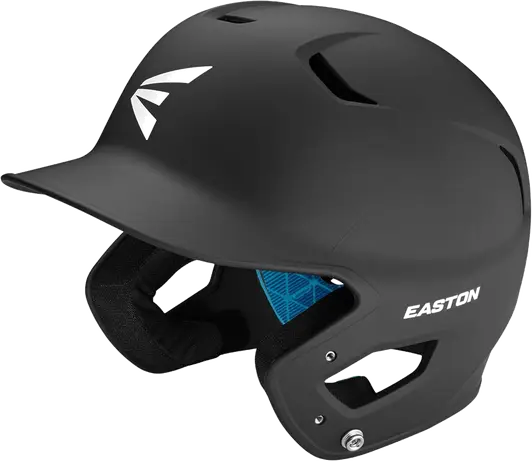
⚡ Easton Mens Z5 2.0 Baseball Batting Helmet
Best For: Competitive players who want Easton's Z5 2.0 construction in a single ear format — the dedicated one-side hitter whose Easton brand preference, Z5 2.0 construction quality, and single ear coverage priority align with what the Z5 2.0 delivers as one of Easton's most established batting helmet designs in the competitive baseball market.
Construction: Single ear with Easton's Z5 2.0 ABS thermoplastic shell — a single ear design that delivers Easton's high impact resistant construction alongside dual-density foam liner shock absorption in the one-sided coverage configuration that dedicated right-handed or left-handed hitters require, with BioDri padded inner liner moisture management and wrapped ear pads that add comfort and durability through the full competitive season.
Material: Easton Z5 2.0 ABS thermoplastic shell with dual-density foam liner and BioDri fabric construction — the Z5 2.0 material specification that delivers high impact resistance, shock absorption on contact, and moisture management in a single ear format whose uncovered back ear creates the ventilation channel that complements the BioDri liner's moisture wicking in hot competitive conditions.
Performance Feel: Solid and ventilated — the Z5 2.0 delivers the Easton contact experience in a single ear configuration that competitive players who trust the Z5 platform describe as the correct fit for their dedicated one-side hitting approach: high impact resistant ABS protection on the pitcher-facing ear, dual-density foam shock absorption on contact, BioDri moisture management through the full competitive day, and the uncovered back ear ventilation that keeps the wearing experience comfortable through long summer tournament schedules.
Ideal Player Type: Competitive players whose Easton brand preference, Z5 2.0 construction quality, and single ear coverage priority are satisfied by the Z5 2.0's ABS thermoplastic construction — dedicated one-side hitters who want Easton's established Z5 platform quality in a single ear design backed by the brand's construction standards across multiple Z5 product generations.
Performance Overview: The Easton Mens Z5 2.0 Baseball Batting Helmet brings Easton's established Z5 platform into the 2.0 generation with construction upgrades that build on the Z5's competitive batting helmet identity — delivering high impact resistant ABS thermoplastic protection, dual-density foam liner shock absorption, and BioDri moisture management in a single ear design whose construction history gives competitive players and coaches confidence in what the Z5 2.0 delivers at peak protection performance. Easton's Z5 2.0 ABS thermoplastic shell delivers the high impact resistance and consistent certified protection that the Z5 platform has built its competitive identity around across multiple product generations — construction quality that competitive players who have trusted the Z5 name across multiple seasons recognize as a reliable baseline for pitcher-facing protection in a dedicated one-side hitting configuration. The dual-density foam liner works in conjunction with the ABS thermoplastic shell to absorb shock on contact across the full range of impact forces that competitive batting situations produce — the layered protection approach that the Z5 2.0's construction delivers above single-density alternatives at the same price tier. The BioDri padded inner liner manages moisture accumulation through the hot competitive conditions that summer tournament schedules and consecutive game days produce, keeping the interior comfortable and dry in a way that non-moisture-wicking alternatives don't sustain across a full competitive day.
Why It Stands Out:
- Easton's Z5 2.0 ABS thermoplastic shell delivers high impact resistant certified protection in the single ear configuration — the established Z5 platform construction quality that competitive players who have trusted the Z5 name across multiple seasons recognize as reliable pitcher-facing protection for the dedicated one-side hitter whose batting stance makes single ear coverage the correct and compliant choice.
- Dual-density foam liner provides layered shock absorption on contact above single-density alternatives — the construction approach that the Z5 2.0 delivers in combination with the ABS thermoplastic shell to produce certified protection across the full range of impact forces that competitive batting situations produce throughout a full season.
- BioDri padded inner liner manages moisture accumulation through hot competitive conditions — keeping the Z5 2.0's interior comfortable and dry across consecutive game days and long tournament schedules in a way that non-moisture-wicking inner liner alternatives don't sustain through the same competitive volume.
- Easton's Z5 platform construction history and competitive performance reputation give players confidence in the Z5 2.0's shell durability and protection consistency — an established batting helmet investment backed by multiple Z5 product generations whose performance data makes the Z5 2.0 one of the more predictable single ear choices in the competitive baseball helmet market.
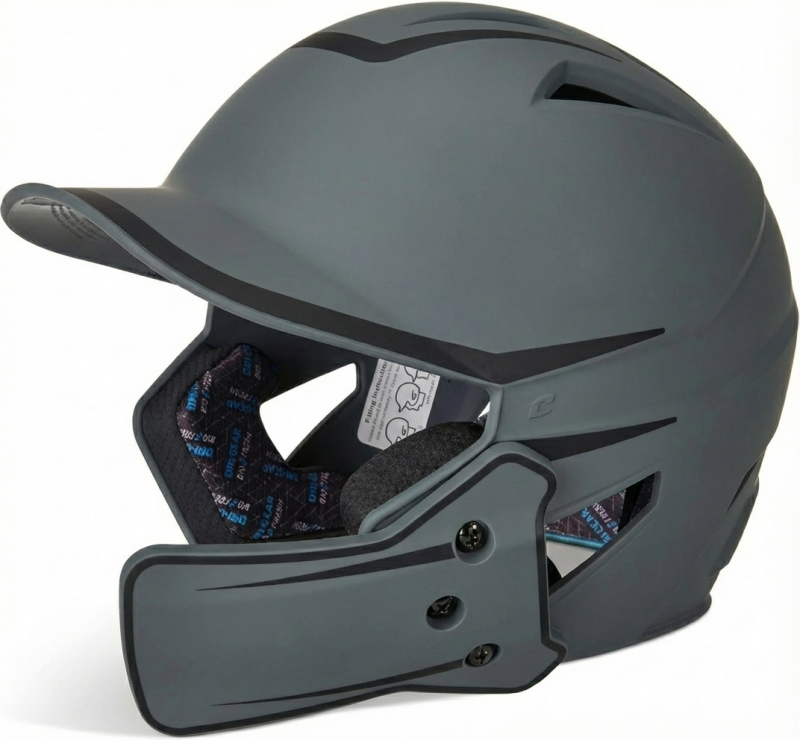
🏆 Champro HX Legend Plus Batting Helmet
Best For: Competitive players who want Champro's HX Legend Plus construction in a single ear format — the dedicated one-side hitter whose Champro brand preference, HX Legend Plus construction quality, and single ear coverage priority align with what the HX Legend Plus delivers as Champro's premium single ear batting helmet design in the competitive baseball market.
Construction: Single ear with Champro's HX Legend Plus shell construction — an exclusive Champro design that maximizes airflow and visibility in the single ear configuration, delivering weight-optimized shell construction with impact foam for ideal fit and feel alongside BioFresh/DRI-GEAR moisture wicking pad liner that keeps competitive players cool and reduces the interior odor accumulation that standard liner alternatives produce under regular competitive use.
Material: Champro HX Legend Plus weight-optimized shell with impact foam and BioFresh/DRI-GEAR moisture wicking liner — the HX Legend Plus material specification that delivers the combination of impact protection, fit optimization, and moisture management that Champro's premium single ear batting helmet construction produces for competitive players whose league rules and dedicated batting stance make single ear coverage the correct compliant choice.
Performance Feel: Optimized and comfortable — the HX Legend Plus delivers the Champro HX contact experience in a single ear configuration that competitive players describe as well-balanced and comfortable: weight-optimized shell construction that reduces the bulk that heavier alternatives carry without sacrificing the impact protection that certified competition requires, BioFresh/DRI-GEAR moisture management through hot competitive conditions, and the single ear ventilation advantage that the uncovered back ear creates above bilateral dual ear alternatives.
Ideal Player Type: Competitive players whose Champro brand preference, HX Legend Plus construction quality, and single ear coverage priority are satisfied by the HX Legend Plus's weight-optimized construction — dedicated one-side hitters who want Champro's premium HX single ear engineering at a price point that delivers strong construction value above budget single ear alternatives without the premium investment that top-tier designs demand.
Performance Overview: The Champro HX Legend Plus Batting Helmet is Champro's premium offering in the HX single ear batting helmet line — delivering the weight-optimized shell construction, impact foam fit optimization, and BioFresh/DRI-GEAR moisture wicking that the HX Legend Plus produces for the competitive player whose dedicated batting stance and league compliance make single ear coverage the correct configuration choice. Champro's HX Legend Plus design philosophy maximizes airflow and visibility above standard helmet construction — the engineering priority that makes the HX line one of the better-ventilated single ear options in the competitive baseball helmet market for players who compete through long tournament days and multi-game competitive schedules where interior heat and moisture accumulation directly affect comfort and focus at the plate. The weight-optimized shell construction reduces the total helmet weight that competitive players carry through a full competitive day — a practical wearing comfort advantage that accumulates meaningfully across consecutive at-bats, baserunning situations, and the full physical demands that a competitive baseball schedule places on the player from the first pitch through the final out. Champro's BioFresh/DRI-GEAR moisture wicking liner addresses the interior odor and moisture accumulation that standard pad liner alternatives allow to develop under regular competitive use — keeping the HX Legend Plus's interior fresher and more comfortable across a full competitive season of game and practice use than non-moisture-wicking alternatives sustain at the same use volume.
Why It Stands Out:
- Champro's HX Legend Plus weight-optimized shell construction reduces total helmet weight above standard alternatives — delivering the wearing comfort advantage through long competitive days and consecutive game schedules that competitive players who have carried heavier single ear alternatives specifically value when their league rules and batting stance make single ear coverage the correct compliant choice.
- Exclusive Champro HX design maximizes airflow and visibility in the single ear configuration — the ventilation engineering that makes the HX Legend Plus one of the better-ventilated single ear options in the competitive baseball helmet market for players who compete through summer tournament schedules where interior heat management directly affects plate focus and comfort.
- BioFresh/DRI-GEAR moisture wicking liner manages interior moisture and odor accumulation under regular competitive use — keeping the HX Legend Plus fresher and more comfortable across a full competitive season than standard liner alternatives that allow moisture and odor to develop without the active moisture management that Champro's liner material provides.
- Champro's HX Legend Plus construction quality and price point deliver strong value above budget single ear alternatives — the correct investment for the competitive player whose dedicated batting stance and league compliance make single ear coverage the right choice and whose budget supports Champro's premium HX construction without requiring the top-tier investment that premium brand single ear alternatives demand.
⚡ Performance Differences Between Single vs Dual Ear Baseball Helmets
The most significant performance differences between the baseball helmets in this guide split cleanly along the single ear vs dual ear configuration line rather than the construction tier — because the fundamental difference between a Rawlings MACH Single Ear and an Easton CYCLONE is not the protection level but the ear coverage philosophy that each configuration delivers for the specific player situation it serves. The Rawlings MACH Single Ear Batting Helmet, Easton Mens Z5 2.0 Baseball Batting Helmet, and Champro HX Legend Plus Batting Helmet represent the single ear tier — designs whose pitcher-facing coverage, uncovered back ear ventilation, and dedicated one-side hitter fit serve the competitive player whose batting stance and league rules make single ear the correct and compliant configuration choice. The Easton CYCLONE Batting Helmet, Champro HX Rookie Batting Helmet, and Easton PRO MAX Baseball Batting Helmet represent the dual ear tier — designs whose bilateral coverage serves the switch hitter, youth player in a dual ear mandate league, and protection-priority competitor whose situation demands coverage on both sides regardless of the ventilation advantage that single ear construction delivers. Players working through the full batting helmet construction picture alongside the ear guard configuration decision should check out 🪖 Best Baseball Batting Helmets (2026) for the complete construction framework across every helmet tier. Players who want to understand how helmet selection fits into the complete competitive equipment picture should read 🪖 Best Baseball Helmets for Players (2026) for the player-profile-specific recommendations across every construction and configuration option.
🌀 Easton CYCLONE Batting Helmet
Best For: Youth and recreational players who need dual ear coverage — the switch hitter, youth league player whose program mandates bilateral coverage, or protection-priority competitor whose situation requires dual ear construction in an accessible Easton design that serves the broadest range of player sizes from tee ball through adult.
Construction: Dual ear with Easton's ABS thermoplastic shell — a dual ear design whose bilateral coverage serves switch hitters and youth league dual ear mandates in a construction that fits the entire range of players from tee ball through adult, delivering ABS thermoplastic protection and dual-density foam liner shock absorption on both sides of the head across every impact situation that competitive batting produces.
Material: Easton ABS thermoplastic shell with dual-density foam liner and BioDri fabric construction — the CYCLONE material specification that delivers bilateral certified protection, shock absorption on contact, and BioDri moisture management in a dual ear format whose sizing range accommodates the broadest player age and head size spectrum in the competitive baseball and softball helmet market.
Performance Feel: Accessible and protective — the CYCLONE delivers the dual ear contact experience in Easton's construction that players across the full age range describe as reliable and straightforward: bilateral ABS thermoplastic protection on both ears, dual-density foam shock absorption on contact, and the consistent certified protection that NOCSAE standard compliance delivers for players across every level from recreational youth through adult competitive play.
Ideal Player Type: Youth players in dual ear mandate leagues, switch hitters who need bilateral pitcher-side protection from both sides of the plate, and recreational players across the full age range from tee ball through adult whose protection priority and league compliance make dual ear construction the correct and compliant configuration choice.
Performance Overview: The Easton CYCLONE Batting Helmet serves the broadest possible range of baseball and softball players in a dual ear design — delivering bilateral ABS thermoplastic protection and dual-density foam liner shock absorption across a sizing range that covers tee ball through adult players in a single construction that removes the sizing complexity that age-specific alternatives introduce for programs and families equipping multiple players at different development stages. Easton's ABS thermoplastic shell delivers high impact resistant certified protection on both ears — the bilateral coverage that switch hitters need to maintain pitcher-side protection regardless of which side of the plate they bat from, and that youth leagues whose rules mandate dual ear coverage require from every player regardless of batting stance preference. The dual-density foam liner works in conjunction with the ABS thermoplastic shell to absorb shock across the full range of impact forces that competitive batting situations produce — the layered protection approach that the CYCLONE delivers in a bilateral coverage format for the player whose configuration requirements are determined by switching stance or league mandate rather than dedicated one-side hitter preference. BioDri fabric liner moisture management keeps the interior comfortable through hot competitive conditions in a construction whose broad sizing range makes it one of the most versatile dual ear options in the accessible baseball and softball helmet market.
Why It Stands Out:
- Easton's dual ear ABS thermoplastic shell delivers bilateral certified protection across the full range of impact situations that competitive batting produces — the bilateral coverage that switch hitters and youth dual ear mandate leagues specifically require above the single ear alternatives that can't deliver pitcher-side protection from both sides of the plate in a single helmet design.
- Sizing range covers tee ball through adult players in a single construction — removing the age-specific sizing complexity that separate youth and adult designs introduce for programs and families equipping multiple players at different development stages who need a single reliable dual ear construction across the full player age spectrum.
- Dual-density foam liner provides layered shock absorption on both sides of the head — the bilateral protection approach that the CYCLONE delivers in combination with the ABS thermoplastic shell across every impact force level that tee ball through adult competitive batting situations produce throughout a full season.
- Easton's accessible construction and broad sizing range deliver dual ear certified protection across the full player age and competitive level spectrum — the correct dual ear investment for youth leagues, switch hitters, and recreational players across every development stage whose configuration requirements are determined by league mandate or batting stance rather than dedicated one-side hitter preference.
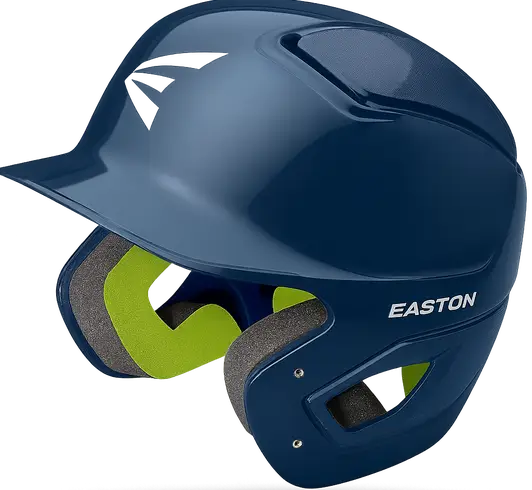
🧢 Champro HX Rookie Batting Helmet
Best For: Youth players who need dual ear coverage in a Champro HX construction — the youth league player whose program mandates bilateral coverage, whose league size requirements match the HX Rookie's junior and tee ball sizing range, and whose families want Champro's HX airflow and visibility design in an accessible dual ear construction at a youth-appropriate price point.
Construction: Dual ear with Champro's HX Rookie weight-optimized shell — an exclusive Champro design that maximizes airflow and visibility in a dual ear configuration built specifically for the youth market, delivering weight-optimized shell construction with impact foam for ideal fit and feel alongside BioFresh/DRI-GEAR moisture wicking pad liner in the bilateral coverage format that youth dual ear mandate leagues require.
Material: Champro HX Rookie weight-optimized shell with impact foam and BioFresh/DRI-GEAR moisture wicking liner — the HX Rookie material specification that delivers the combination of bilateral impact protection, weight-optimized fit, and moisture management that Champro's youth dual ear construction produces for youth players whose league rules mandate bilateral coverage in the junior and tee ball size range.
Performance Feel: Lightweight and protective — the HX Rookie delivers the Champro HX dual ear contact experience in a youth construction that young players and their parents describe as comfortable and well-fitted: weight-optimized bilateral shell construction that doesn't overwhelm developing young players with excessive helmet bulk, BioFresh/DRI-GEAR moisture management through youth competitive conditions, and the Champro HX airflow design that keeps the interior comfortable through the full youth competitive schedule.
Ideal Player Type: Youth players in the junior and tee ball size range whose dual ear mandate league compliance, weight-optimized construction preference, and accessible price priority are satisfied by the HX Rookie's Champro construction — developing young players whose families want Champro's HX airflow design in a dual ear youth construction at a price point matched to the youth recreational and competitive equipment market.
Performance Overview: The Champro HX Rookie Batting Helmet is Champro's youth-focused dual ear offering in the HX batting helmet line — delivering the weight-optimized shell construction, impact foam fit, and BioFresh/DRI-GEAR moisture wicking that the HX Rookie produces for the young player whose dual ear mandate league and developing physical stage are both served by Champro's youth-appropriate bilateral construction at an accessible price point. Champro's HX Rookie design philosophy maximizes airflow and visibility in a youth dual ear construction — the engineering priority that makes the HX Rookie one of the better-ventilated dual ear youth options in the accessible baseball helmet market for young players who compete through warm weather youth league and recreational schedules where interior comfort directly affects the young player's focus and willingness to keep the helmet properly positioned throughout every at-bat. The weight-optimized shell construction is particularly important in the youth dual ear context — because young developing players whose physical stage requires bilateral coverage are also the players most affected by excessive helmet weight that distracts from the hitting mechanics and baserunning awareness that youth development programs specifically target at this stage of the player's competitive journey. Champro's BioFresh/DRI-GEAR moisture wicking liner keeps the HX Rookie's interior fresher and more comfortable across a full youth competitive season than standard liner alternatives whose moisture accumulation affects interior comfort in a way that young players find distracting during consecutive game days and multi-game youth tournament formats.
Why It Stands Out:
- Champro's HX Rookie weight-optimized dual ear shell construction reduces total helmet weight in the bilateral coverage format — particularly important for developing young players whose physical stage requires dual ear coverage while also being most affected by excessive helmet weight that distracts from the hitting mechanics and baserunning awareness that youth development programs target.
- Exclusive Champro HX design maximizes airflow and visibility in the dual ear youth configuration — the ventilation engineering that makes the HX Rookie one of the better-ventilated dual ear youth options for young players competing through warm weather youth league and recreational schedules.
- BioFresh/DRI-GEAR moisture wicking liner manages interior moisture and odor in the youth dual ear context — keeping the HX Rookie fresher and more comfortable across consecutive game days and multi-game youth tournament formats than standard liner alternatives that allow moisture accumulation to develop without active moisture management.
- Champro's accessible price point and youth-appropriate construction deliver dual ear certified protection at the youth recreational and competitive market level — the correct investment for families of young players whose dual ear mandate league compliance and youth development stage are both correctly served by Champro's HX Rookie bilateral construction.
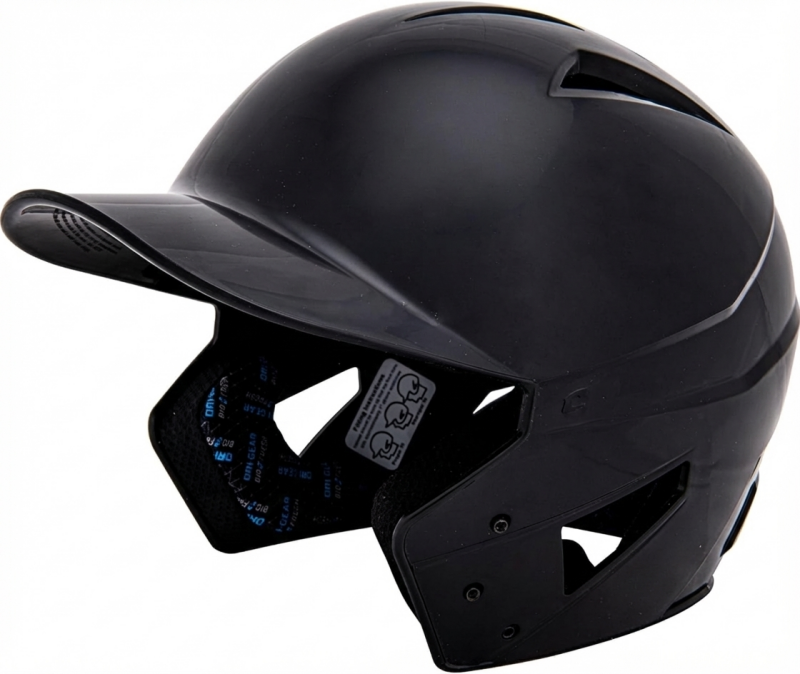
🔒 Easton PRO MAX Baseball Batting Helmet
Best For: Competitive players who want Easton's PRO MAX Trident Protection System in a dual ear configuration — the switch hitter, protection-priority competitor, or youth dual ear mandate player whose bilateral coverage requirement and premium protection standard align with what the PRO MAX delivers as Easton's most advanced batting helmet construction in the dual ear format.
Construction: Dual ear with Easton's PRO MAX Trident Protection System — a dual ear design built around Easton's three-pronged protection approach that uses virtual testing-optimized shell thickness, viscoelastic foam construction similar to high-impact football helmet materials, and a halo fit system that accommodates a wide range of head sizes without being too loose or too tight on virtually any player.
Material: Easton PRO MAX Trident Protection System construction with viscoelastic foam and halo fit — the PRO MAX material specification that uses virtual testing to optimize shell thickness across every part of the helmet exterior, viscoelastic foam in differing densities throughout the construction for layered impact coverage, and the halo fit system that delivers precise comfortable fit across the full head size range without the size-matching uncertainty that standard fixed-size alternatives introduce.
Performance Feel: Advanced and precisely fitted — the PRO MAX delivers the most technologically sophisticated dual ear contact experience in Easton's batting helmet lineup: Trident Protection System impact management that distributes force more efficiently than standard ABS alternatives, viscoelastic foam in differing densities that provides layered protection across the full bilateral coverage area, and the halo fit's precise comfortable positioning that eliminates the shifting and looseness that incorrectly fitted alternatives produce throughout a full competitive day.
Ideal Player Type: Competitive switch hitters, protection-priority players, and youth dual ear mandate competitors whose bilateral coverage requirement and premium protection standard are satisfied by the PRO MAX Trident Protection System — players who want Easton's most advanced batting helmet engineering in the dual ear configuration that their switch-hitting stance, league mandate, or protection priority specifically requires.
Performance Overview: The Easton PRO MAX Baseball Batting Helmet is Easton's most advanced batting helmet construction — bringing the Trident Protection System's three-pronged engineering approach to the dual ear format for the competitive player whose bilateral coverage requirement and premium protection standard both demand the most sophisticated construction Easton's helmet lineup produces. The Trident Protection System begins with virtual testing-optimized shell thickness — identifying the optimal material depth for every part of the exterior so the PRO MAX delivers more protection where impact forces are highest without adding unnecessary weight across sections where standard thickness is sufficient for certified coverage. The viscoelastic foam construction uses the same material category found in high-impact football helmets — applied in differing densities throughout the PRO MAX's interior to provide layered impact coverage that standard foam alternatives whose single-density construction doesn't distribute impact force with the same efficiency across the full bilateral coverage area. The halo fit system accommodates the wide range of head sizes that standard fixed-size alternatives address through separate size selections — delivering a comfortable precise fit across the full size spectrum without the between-sizes gaps that fixed-size systems leave for players whose head circumference falls between standard size categories on manufacturer charts.
Why It Stands Out:
- Easton's PRO MAX Trident Protection System brings virtual testing-optimized shell thickness, viscoelastic foam construction, and halo fit engineering to the dual ear configuration — the three-pronged advanced protection approach that makes the PRO MAX Easton's most sophisticated batting helmet construction for the competitive player whose bilateral coverage requirement demands premium protection above standard ABS dual ear alternatives.
- Viscoelastic foam in differing densities throughout the construction provides layered impact coverage similar to high-impact football helmet materials — delivering protection that distributes force more efficiently across the bilateral coverage area than standard single-density foam alternatives whose uniform construction doesn't vary protection density based on impact force distribution across different helmet zones.
- Halo fit system accommodates a wide range of head sizes without size-matching uncertainty — the fit precision that standard fixed-size dual ear alternatives can't deliver for players whose head circumference falls between manufacturer size categories, making the PRO MAX the correct dual ear choice for competitive players whose fit precision priority is as important as the advanced protection the Trident System delivers.
- Easton's PRO MAX construction quality and Trident Protection System engineering give competitive players confidence in the dual ear shell's protection consistency and fit durability — a premium bilateral coverage investment backed by Easton's most advanced batting helmet engineering for the switch hitter, protection-priority competitor, or youth dual ear mandate player whose situation demands the best dual ear construction Easton produces.
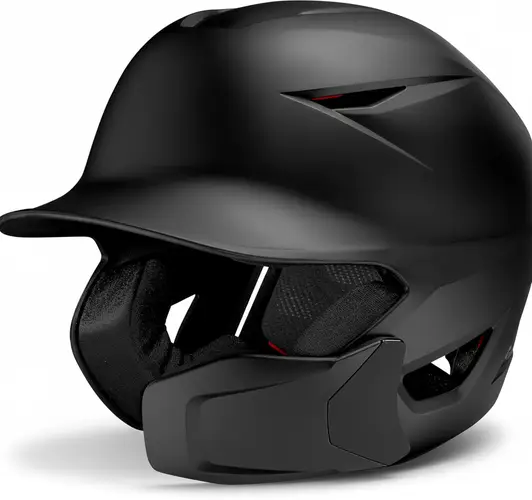
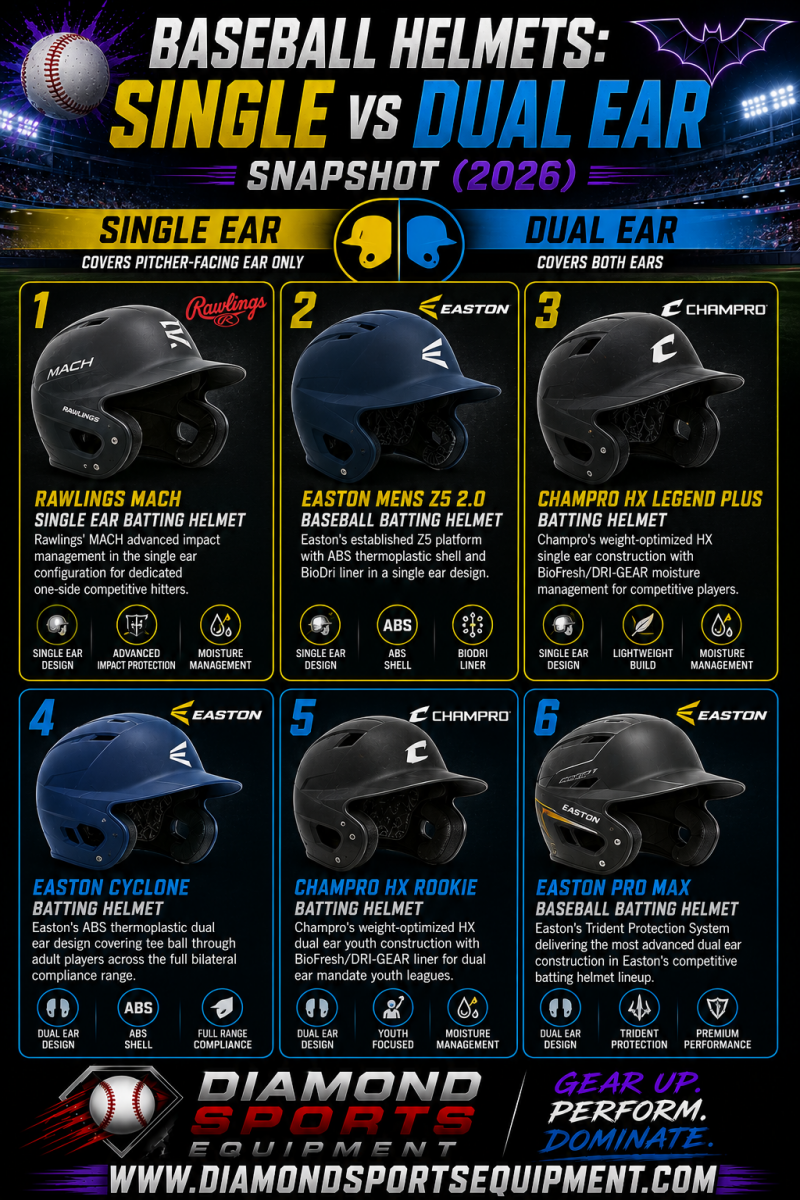
📊 Baseball Helmets: Single vs Dual Ear Snapshot (2026)
- 🔩 Rawlings MACH Single Ear Batting Helmet — Rawlings' MACH advanced impact management in the single ear configuration for dedicated one-side competitive hitters.
- ⚡ Easton Mens Z5 2.0 Baseball Batting Helmet — Easton's established Z5 platform with ABS thermoplastic shell and BioDri liner in a single ear design.
- 🏆 Champro HX Legend Plus Batting Helmet — Champro's weight-optimized HX single ear construction with BioFresh/DRI-GEAR moisture management for competitive players.
- 🌀 Easton CYCLONE Batting Helmet — Easton's ABS thermoplastic dual ear design covering tee ball through adult players across the full bilateral compliance range.
- 🧢 Champro HX Rookie Batting Helmet — Champro's weight-optimized HX dual ear youth construction with BioFresh/DRI-GEAR liner for dual ear mandate youth leagues.
- 🔒 Easton PRO MAX Baseball Batting Helmet — Easton's Trident Protection System delivering the most advanced dual ear construction in Easton's competitive batting helmet lineup.
❓ FAQ
Should a baseball player use a single ear or dual ear helmet?
- Single ear helmets are the correct choice for dedicated right-handed or left-handed hitters whose pitcher-facing ear is always the same side — delivering pitcher-side certified protection alongside the ventilation and weight advantages that uncovered back ear construction produces above bilateral dual ear alternatives.
- Dual ear helmets are mandatory for switch hitters whose pitcher-facing ear changes with every at-bat, required by many youth leagues whose rules mandate bilateral coverage regardless of batting stance, and the correct choice for any player whose protection priority places complete bilateral coverage above the ventilation and comfort advantages that single ear construction delivers.
Are dual ear helmets safer than single ear helmets?
- Dual ear helmets provide bilateral coverage that protects both sides of the head — which means the back ear that single ear designs leave exposed receives certified protection that single ear construction doesn't deliver on contact from behind-the-head pitches, foul tips, or baserunning collisions that approach from the uncovered side.
- Single ear helmets provide equivalent certified protection on the pitcher-facing side — the side where the overwhelming majority of batting contact occurs — and the uncovered back ear represents a deliberate design trade-off that dedicated one-side hitters whose pitcher-facing ear is always the same side accept in exchange for the ventilation, weight, and comfort advantages that bilateral coverage cannot match.
Can a right-handed hitter use a dual ear helmet?
- Yes — any player can use a dual ear helmet regardless of batting stance, and dual ear designs are fully compliant for right-handed and left-handed dedicated hitters whose leagues permit single ear alternatives.
- The practical consideration is whether the bilateral coverage's additional weight and reduced ventilation is worth the extra protection the covered back ear provides for the dedicated one-side hitter whose back ear never directly faces the pitcher — a trade-off that individual players and families weigh based on protection priority and comfort preference within the constraints their league rules establish.
Do youth leagues require dual ear helmets?
- Many youth leagues mandate dual ear coverage as a blanket protective requirement for all players regardless of batting stance — parents and players should confirm their specific league's helmet configuration rule before purchasing to ensure compliant equipment from the first game of the season.
- Leagues that don't mandate dual ear coverage typically permit both single ear and dual ear designs as compliant options — which means confirming the rule first is the most important step before the ear guard configuration decision, because the correct choice between single and dual ear depends entirely on what the league allows alongside the player's batting stance and protection priorities.
🧢 Final Thoughts
The single ear vs dual ear decision is one of the simplest equipment choices in baseball when it's made correctly — confirm the league rule first, match the configuration to the batting stance second, and select the best construction within the compliant option third. The Rawlings MACH Single Ear Batting Helmet, Easton Mens Z5 2.0 Baseball Batting Helmet, and Champro HX Legend Plus Batting Helmet cover the single ear side for the dedicated one-side hitter whose league rules and batting stance make single ear coverage the correct and compliant choice — from the MACH platform's advanced impact management through the Z5 2.0's established construction quality and the HX Legend Plus's weight-optimized airflow design. The Easton CYCLONE Batting Helmet, Champro HX Rookie Batting Helmet, and Easton PRO MAX Baseball Batting Helmet cover the dual ear side for the switch hitter, youth dual ear mandate player, and protection-priority competitor whose situation demands bilateral coverage — from the CYCLONE's tee ball through adult sizing range through the HX Rookie's youth-specific weight-optimized construction and the PRO MAX's Trident Protection System at the premium dual ear tier. Get the configuration right first — and the helmet becomes the equipment it's supposed to be. For players ready to complete their full protective equipment setup, 🛡️ Elbow Guards for Every Hitter (2026) covers the arm protection options that complete a competitive hitter's plate equipment package. For everything else across the full baseball and softball equipment market, 📝 Diamond Sports Equipment Blog & Gear Reviews has every guide organized and ready.
Add comment
Comments