TRAINING WOOD BATS
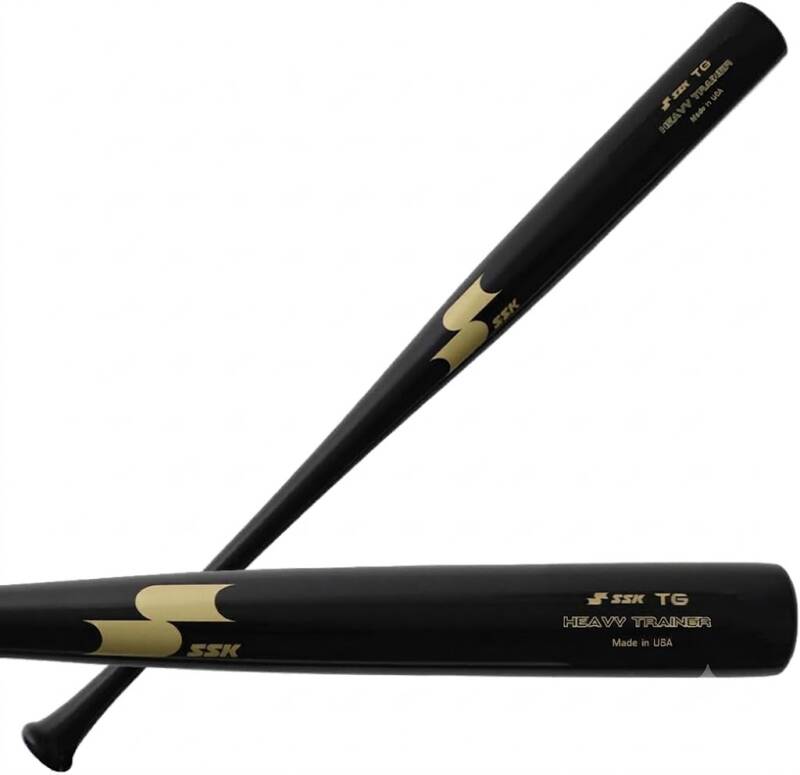
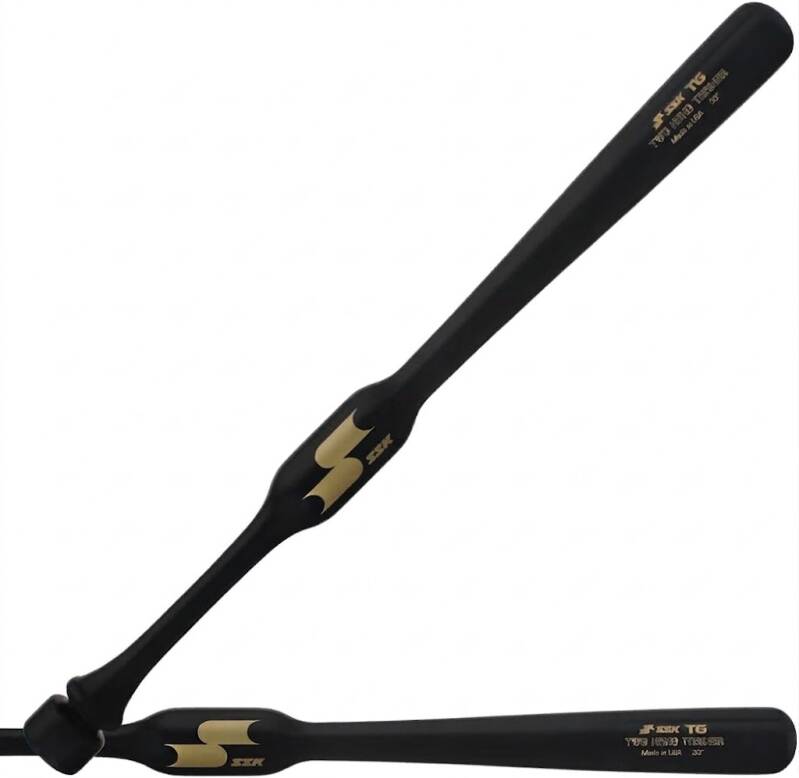
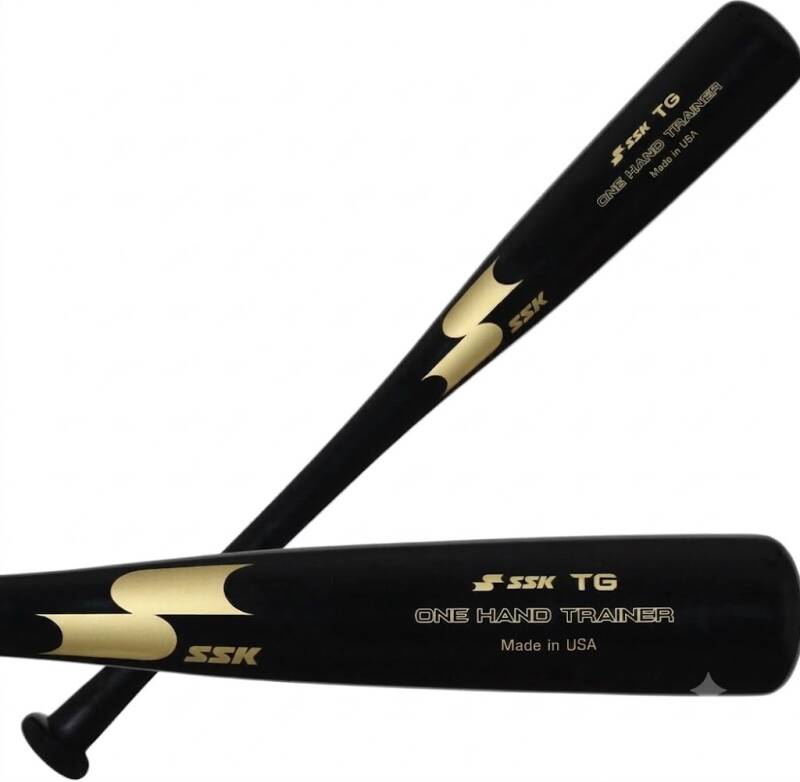
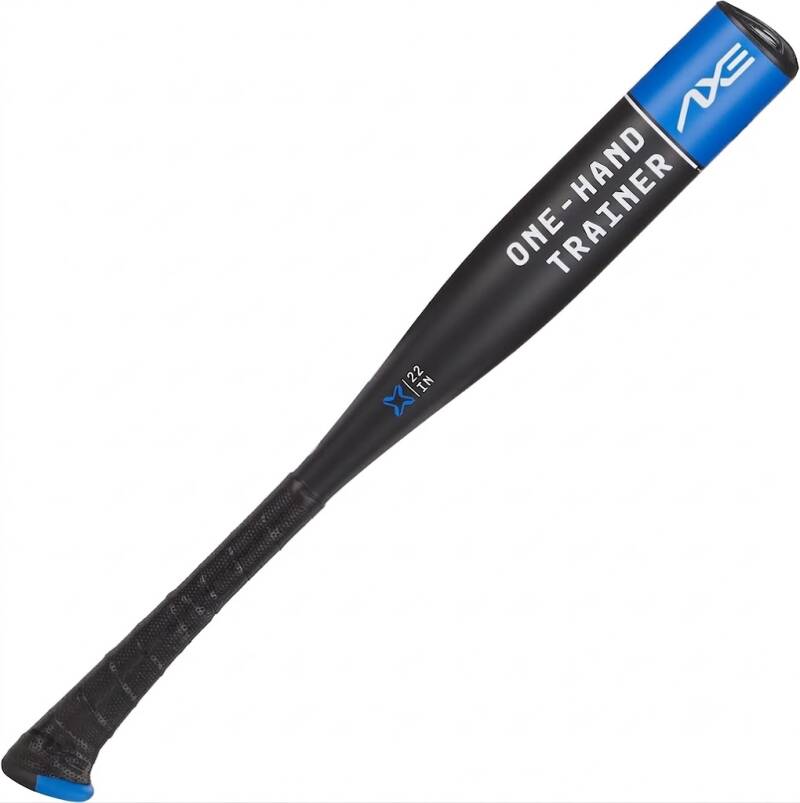
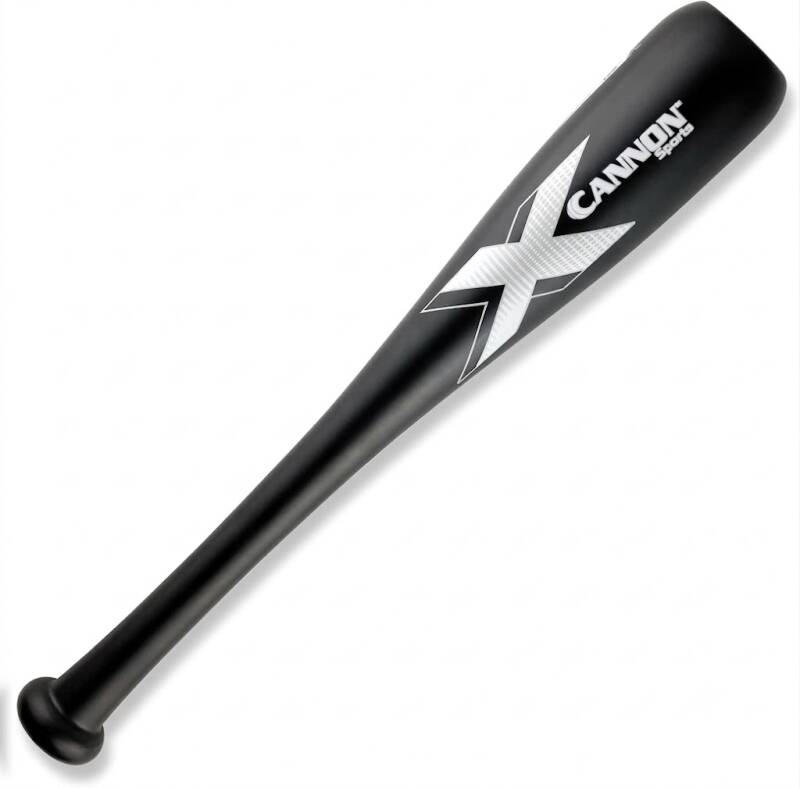
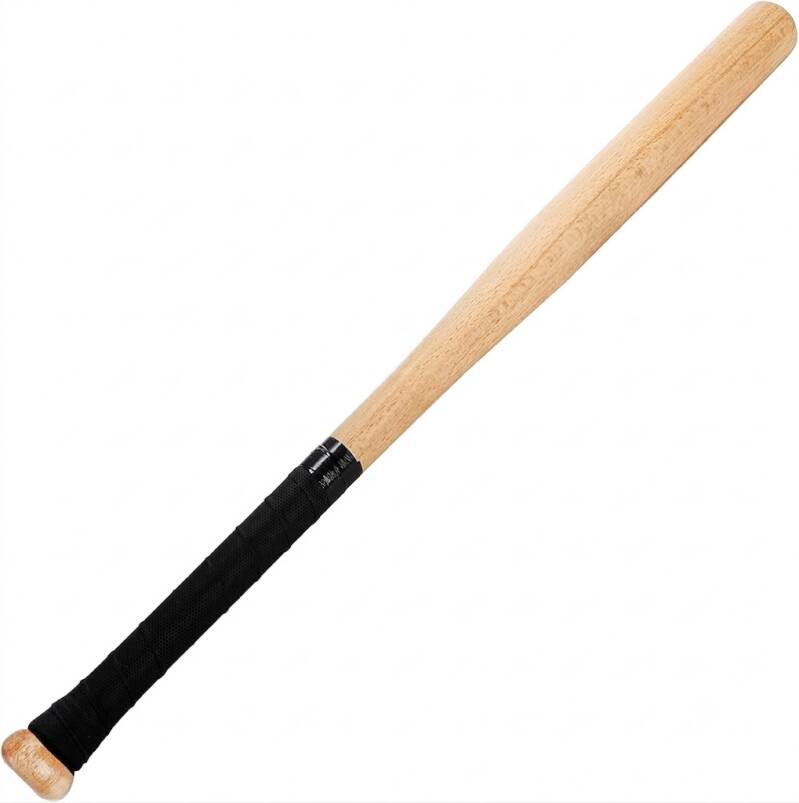
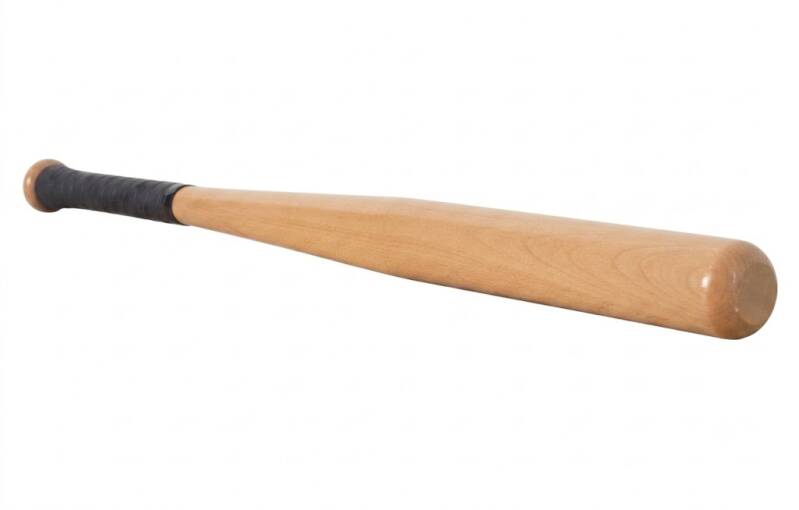
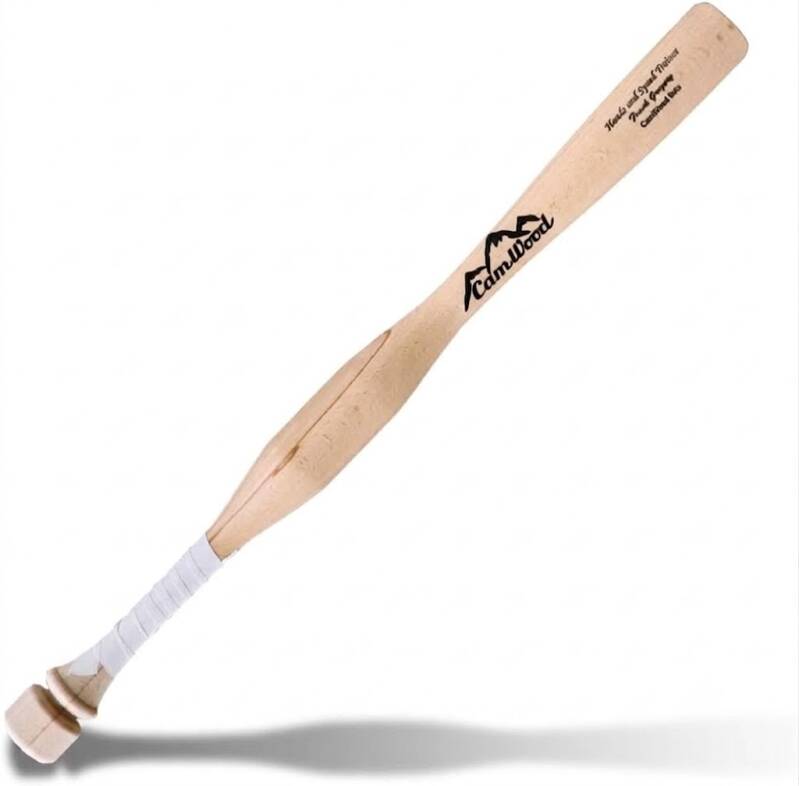
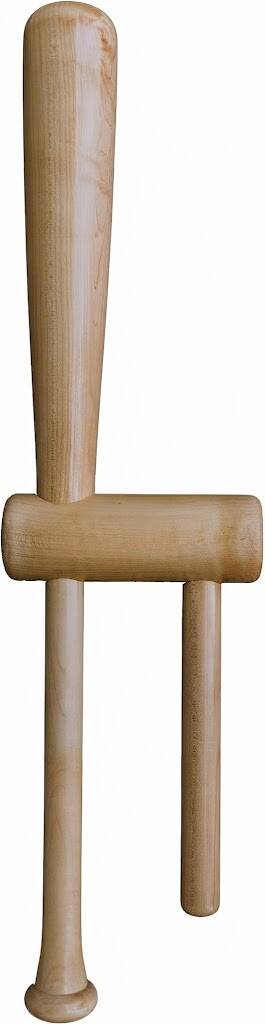
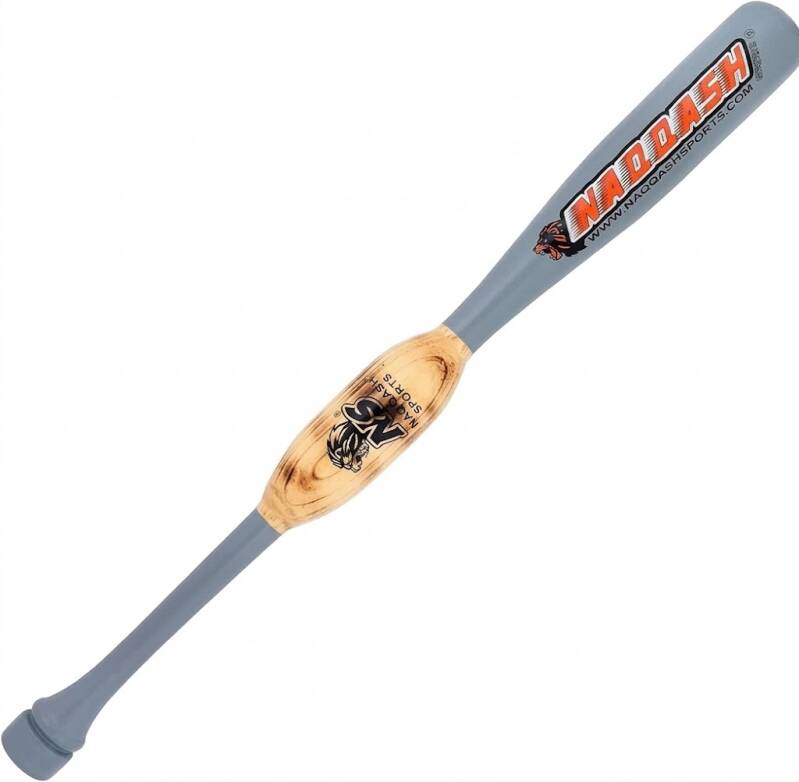
Training bats fix what game bats can't. A one-hand trainer isolates each arm to clean up swing path and connection, a two-hand trainer grooves the mechanics of a proper turn, and a heavy trainer overloads the swing to build the strength and bat speed that carry into competition — each one targeting a specific flaw that a normal bat lets a hitter hide. This collection covers the full range of wood training bats, from one-hand and two-hand trainers to weighted heavy bats and youth-sized options, built to drill the fundamentals that hold up when it counts. Getting the most out of them starts with understanding the mechanics they're built to reinforce — see ⚡ Swing Trainers for Better Mechanics for how these tools sharpen your swing, and ⚒️ Training Tools for Ball Players for the full lineup of drills and equipment that round out a complete hitting routine.



Final Thoughts
A training bat is only as good as the habit it builds, and the right one turns repetition into real mechanical change instead of reinforcing the same flaws swing after swing. One-hand trainers clean up path and connection, two-hand trainers groove the full turn, and heavy trainers build the strength behind the swing — the best choice comes down to the part of your swing you're trying to fix and the level you're training at. Pair the right trainer with a consistent routine and the gains show up where they matter, in the box. For hitters building a complete development setup, 🏏 Swing Trainers for Hitters (2026 Guide) breaks down the top trainers by purpose, and ⚒️ Pitching & Arm Development Tools (2026) covers the throwing side of a well-rounded training program. Find the training bat that targets your swing and start building the mechanics that last.