Slowpitch softball bat selection comes down to two decisions that most players make in the wrong order — they choose the brand first and the performance variables second, when the performance variables are the only ones that actually determine whether the bat fits the player swinging it. End load versus balanced is the first decision and the one that most directly affects swing feel — an end-loaded bat rewards the player with the swing strength to drive the barrel through the zone and transfers that strength into distance, while a balanced design rewards the player who wants maximum bat speed and the ability to hit the ball hard to all fields rather than pull power exclusively. Barrel size is the second decision — the difference between a 12.75 inch and a 13.5 inch barrel is not just cosmetic but a meaningful change in the surface area available to make contact on pitches at different locations across the plate.
Getting both variables right for the player's specific swing strength, association format, and hitting philosophy produces the bat that adds distance and confidence to every at-bat rather than fighting the player's mechanics across a full tournament weekend. For the full picture on slowpitch bat selection, pair this guide with 🦇 Top Slowpitch Softball Bats (2026) and 🥎 How to Choose a Slowpitch Bat before making any final purchase decision.
⚾ What You Should Know About Slowpitch Softball Bats
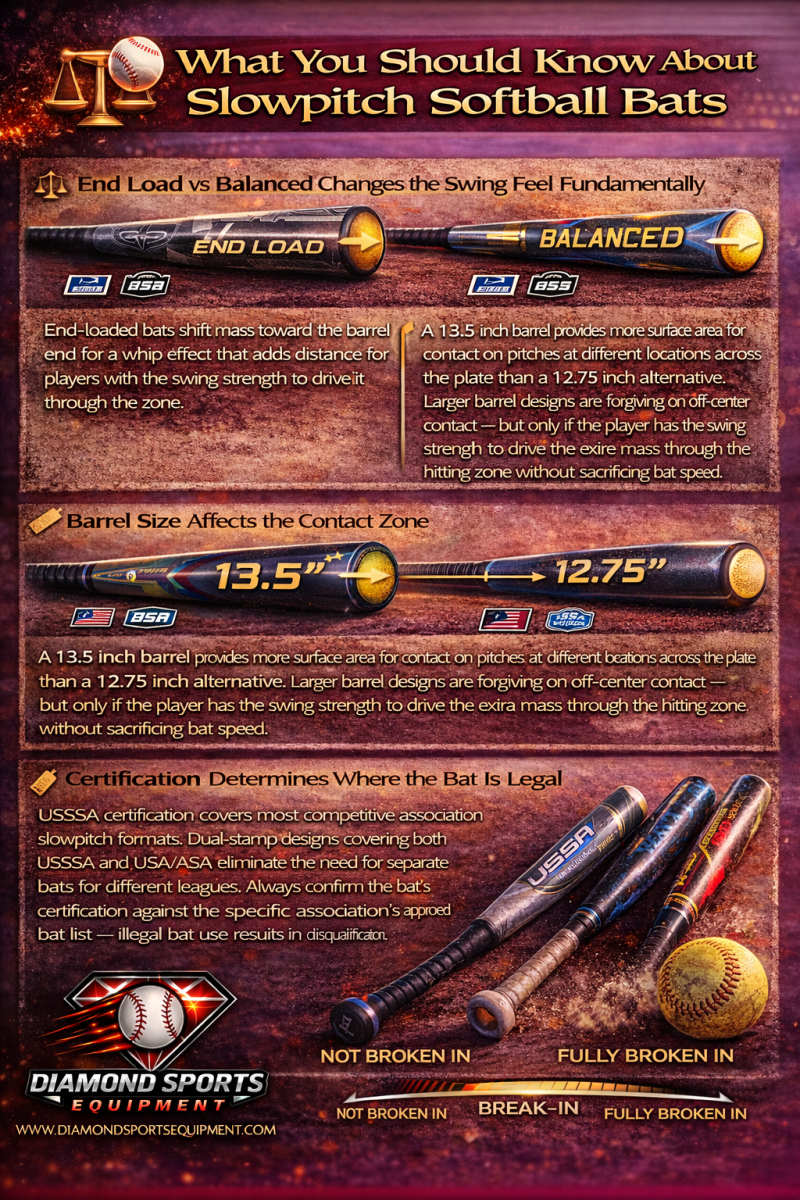
⚖️ End Load vs Balanced Changes the Swing Feel Fundamentally
End-loaded bats shift mass toward the barrel end for a whip effect that adds distance for players with the swing strength to drive it through the zone. Balanced bats distribute weight evenly for faster swing speed and more consistent contact to all fields — the right choice for players whose bat speed is more valuable than the extra distance end load adds for stronger hitters.
📏 Barrel Size Affects the Contact Zone
A 13.5 inch barrel provides more surface area for contact on pitches at different locations across the plate than a 12.75 inch alternative. Larger barrel designs are forgiving on off-center contact — but only if the player has the swing strength to drive the extra mass through the hitting zone without sacrificing bat speed.
🏷️ Certification Determines Where the Bat Is Legal
USSSA certification covers the majority of competitive association slowpitch formats. Dual-stamp designs covering both USSSA and USA/ASA eliminate the need for separate bats for different leagues. Always confirm the bat's certification against the specific association's approved bat list — illegal bat use results in disqualification that no performance advantage is worth.
🔧 Composite Bats Require Break-In Before Peak Performance
Composite slowpitch bats are not at peak performance out of the wrapper — the composite fibers need proper break-in through controlled hitting before the barrel reaches its maximum trampoline effect. Never use a new composite bat in a game before completing the manufacturer's recommended break-in process.
🏆 Slowpitch Bats Worth Swinging
Six slowpitch bats covering end-loaded and balanced designs, USSSA and dual-stamp certifications, and barrel sizes from 12.75 through 13" for competitive and recreational slowpitch players.
🔥 DeMarini 2026 Lady Cartel Slowpitch Softball Bats - 34"
Best For: Competitive slowpitch players who want DeMarini's 2026 Lady Cartel construction — a flagship-tier design built specifically in the 34" format for players who want DeMarini's top-tier engineering anchoring this guide.
Construction: Multi-piece composite construction with DeMarini's 2026 Lady Cartel barrel technology in the 34" length specification — DeMarini's current flagship slowpitch engineering applied to a dedicated length and weight configuration.
Material: DeMarini composite barrel and handle construction with Lady Cartel-specific layering and the 2026 manufacturing standard.
Performance Feel: Premium and refined — the Lady Cartel delivers the composite barrel performance and swing feel that DeMarini's current flagship engineering produces, with the 34" length providing the specific reach and swing weight balance that competitive players who prefer this length depend on for consistent at-bat performance.
Ideal Player Type: Competitive slowpitch players who want DeMarini's current flagship construction in the 34" length — players who have dialed in their preferred bat length and want DeMarini's top-tier composite engineering at that exact specification.
Performance Overview: The DeMarini 2026 Lady Cartel Slowpitch Softball Bat anchors this guide as DeMarini's current flagship-tier construction, delivering the composite barrel performance and manufacturing quality that the brand's top-tier engineering produces in a dedicated 34" length. The composite construction develops the barrel performance that DeMarini's standard produces after proper break-in, and the specific 34" length gives competitive players who have identified their ideal bat length a flagship option built to that exact specification. For players who want DeMarini's current top-tier slowpitch engineering as the anchor investment in their bat bag, the Lady Cartel delivers that standard.
Why It Stands Out:
- DeMarini's current 2026 flagship slowpitch construction anchors this guide with top-tier engineering credentials.
- Dedicated 34" length specification serves competitive players who have identified their ideal bat length.
- Composite barrel construction develops DeMarini's full performance standard after proper break-in.
- Flagship-tier manufacturing quality reflects DeMarini's top current investment in slowpitch engineering.
- Strong anchor pick for players who want DeMarini's premium current-generation construction.

💧 Miken Vicious 14" Balanced Dual Stamp Slow Pitch Softball Bat
Best For: Slowpitch players who want a balanced swing weight in a maximum 14" barrel format — Miken's Vicious delivers the largest barrel size in this guide paired with balanced weight distribution for players who prioritize bat speed and all-fields contact over end-loaded distance.
Construction: Multi-piece composite construction with Miken's Vicious 14" barrel — the largest barrel diameter in this guide — built in a balanced weight distribution and dual-stamp certification covering both USSSA and USA/ASA formats.
Material: Miken composite barrel and handle construction with Vicious-specific 14" barrel engineering and dual-stamp certified performance design.
Performance Feel: Forgiving and fast — the 14" barrel provides the largest contact zone in this entire guide, maximizing forgiveness on off-center contact, while the balanced weight distribution keeps bat speed high so players can drive the larger barrel through the zone without sacrificing swing quickness the way an end-loaded design with this much barrel mass would demand.
Ideal Player Type: Slowpitch players who want maximum barrel forgiveness without sacrificing bat speed — players whose swing strength favors balanced designs but who still want the largest possible contact zone, and players who compete across both USSSA and USA/ASA formats and need dual-stamp legality.
Performance Overview: The Miken Vicious 14" Balanced Dual Stamp Slow Pitch Softball Bat brings genuine construction diversity to this guide by combining the largest barrel size available with balanced weight distribution — a combination that most large-barrel designs don't offer, since bigger barrels typically come paired with end-loaded swing weights that demand significant swing strength. The balanced distribution keeps the Vicious fast through the zone despite its 14" barrel mass, giving players the forgiveness of a maximum-size contact zone without the bat speed sacrifice that end-loaded large-barrel designs require. The dual-stamp certification adds further practical value, covering both USSSA and USA/ASA formats in a single bat purchase. For players who want maximum barrel forgiveness and fast bat speed without the end-loaded distance trade-off, the Vicious delivers a combination no other bat in this guide matches.
Why It Stands Out:
- Largest 14" barrel diameter in this guide maximizes the forgiveness zone on off-center contact.
- Balanced weight distribution keeps bat speed high despite the largest barrel mass in this guide.
- Dual-stamp certification covers both USSSA and USA/ASA formats in a single bat purchase.
- Combines maximum barrel forgiveness with fast swing speed — a combination most large-barrel designs don't offer.
- Strong choice for players who want forgiveness without the bat speed sacrifice of end-loaded large barrels.

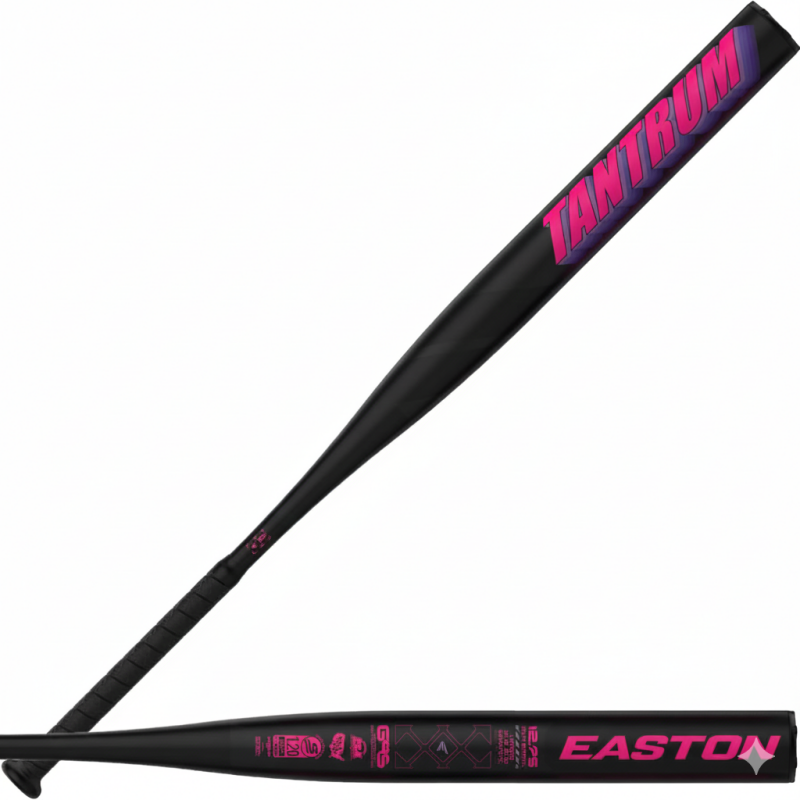
⚡ Easton 2025 Tantrum USSSA Slowpitch
Best For: Competitive USSSA slowpitch players who want Easton's Tantrum construction — a USSSA-certified design built for the competitive association player who wants Easton's composite engineering in a bat certified specifically for USSSA slowpitch formats.
Construction: Composite construction with Easton's Tantrum-specific barrel technology and USSSA certification for competitive association slowpitch formats.
Material: Easton composite barrel and handle construction with Tantrum-specific layering and USSSA-certified performance design.
Performance Feel: Competitive and USSSA-specific — the Tantrum delivers the composite barrel performance that USSSA association slowpitch demands from a competitive bat, with the swing feel and barrel character that Easton's composite engineering produces after proper break-in at the association competitive level.
Ideal Player Type: Competitive USSSA slowpitch association players who want Easton's Tantrum construction — players who compete in USSSA-certified association formats and want Easton's composite engineering in a bat built specifically for that certification standard.
Performance Overview: The Easton 2025 Tantrum USSSA Slowpitch delivers Easton's composite engineering in a USSSA-certified design built for the competitive association player who needs a bat that is both legal for their specific format and capable of delivering the performance that serious USSSA slowpitch competition demands. The Tantrum's composite construction develops the barrel performance that Easton's manufacturing standard produces after full break-in, and the USSSA certification ensures the bat is legal for the association formats where competitive players invest the most in their equipment. For USSSA association players who want Easton's composite quality without the dual-stamp design that some association formats restrict, the Tantrum delivers Easton's USSSA-specific performance engineering.
Why It Stands Out:
- USSSA-specific certification designed for competitive association formats that require USSSA-only approval.
- Easton composite engineering delivers the barrel performance that serious USSSA association play demands.
- Tantrum construction provides competitive performance in a bat built specifically for the USSSA format.
- Easton brand quality for association players who want the brand's composite standard in their certification format.
- The right Easton choice for USSSA competitive players who want format-specific composite performance.
⚡ Performance Differences Between Slowpitch Bats
The most significant performance difference between slowpitch bats is end load versus balanced — and it determines whether the bat adds distance for players with the swing strength to drive it or fights the player's mechanics on balls that are not perfectly struck. End-loaded designs shift 0.5 to 1 oz of mass toward the barrel end, creating the whip effect that adds distance for players who can get the barrel moving fast enough to maximize that end load through the hitting zone. Players who cannot drive an end-loaded bat through the zone consistently will sacrifice bat speed and contact quality for the distance potential the end load provides — producing a bat that theoretically adds distance but practically reduces performance because the player cannot maximize its design. Balanced designs distribute weight evenly for maximum bat speed and the ability to make consistent hard contact to all fields — the right choice for players whose bat speed is more valuable than the extra distance end load adds for stronger hitters. For more on the complete slowpitch equipment picture, see 🧤 Top Softball Gloves (2026) and 👟 Best Slowpitch Softball Cleats (2026).
Barrel size is the second major performance differentiator — the difference between a 12.75 inch, 13 inch, and 13.5 inch barrel is a meaningful change in the contact zone available on pitches at different plate locations. Larger barrels are more forgiving on off-center contact but require more swing strength to drive through the zone without sacrificing bat speed. The player who can drive a 13.5 inch barrel at full speed will hit the ball harder on more pitches than with a smaller barrel design. The player who cannot drive the larger barrel will see reduced bat speed and contact quality that offsets the forgiveness advantage the larger surface area provides. Match barrel size to the player's actual swing strength rather than defaulting to the largest barrel available.
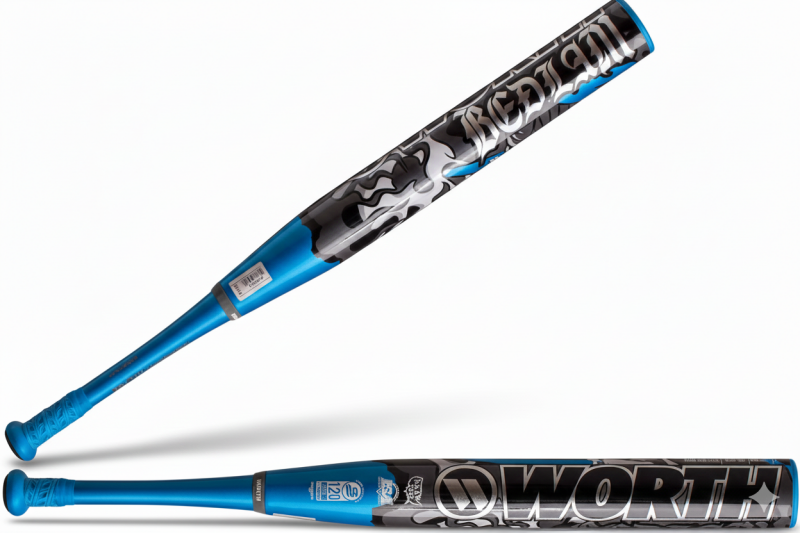
🎯 Worth 2025 Bedlam XL End Load 12.75" USSSA
Best For: Power-focused USSSA slowpitch players who want Worth's Bedlam XL End Load construction — a one-piece composite design built for the player with the swing strength to maximize end-loaded barrel performance in the 12.75 inch barrel format.
Construction: One-piece composite construction with Worth's Bedlam XL End Load barrel technology and USSSA certification — designed for maximum distance through end-loaded barrel mass in a 12.75 inch barrel format.
Material: Worth one-piece composite construction with Bedlam XL End Load barrel engineering and USSSA-certified performance design.
Performance Feel: End-loaded and power-forward — the Bedlam XL End Load delivers the barrel whip and distance potential that end-loaded designs produce for players with the swing strength to drive the mass through the zone, with Worth's one-piece composite construction providing the barrel stiffness and trampoline effect that maximizes exit velocity on well-struck balls.
Ideal Player Type: Power-focused USSSA slowpitch players who have the swing strength to maximize end-loaded barrel performance — players who consistently pull the ball with authority and want the maximum distance potential that Worth's Bedlam XL End Load construction delivers in the 12.75 inch USSSA format.
Performance Overview: The Worth 2025 Bedlam XL End Load 12.75" USSSA is built for the power hitter in competitive USSSA slowpitch who wants maximum distance from an end-loaded one-piece composite design. The XL End Load shifts extra mass toward the barrel end to produce the whip effect that power hitters convert into distance on well-struck balls — a design that rewards the player who can drive the barrel through the zone with authority rather than sacrificing bat speed to the weight distribution. Worth's one-piece composite construction delivers the barrel stiffness and trampoline effect that maximizes exit velocity when the barrel makes clean contact, and the USSSA certification ensures the bat is legal for the competitive association formats where serious slowpitch players invest in performance equipment.
Why It Stands Out:
- XL End Load barrel mass shift produces maximum distance potential for power hitters with the swing strength to drive it.
- One-piece composite construction delivers barrel stiffness and trampoline effect that maximizes exit velocity on clean contact.
- 12.75 inch barrel delivers USSSA-legal contact zone in the standard competitive barrel size.
- Worth's Bedlam line reputation in competitive USSSA slowpitch backed by the 2025 construction update.
- The right power hitter investment for USSSA players who want maximum distance from end-loaded composite performance.
🎯 DeMarini 2026 Flyswatter Slowpitch Softball Bat
Best For: Slowpitch players who want DeMarini's 2026 Flyswatter construction — a current-generation design that brings fresh DeMarini engineering to this guide alongside the brand's other featured constructions.
Construction: Multi-piece composite construction with DeMarini's 2026 Flyswatter barrel technology — current-generation engineering built for competitive slowpitch performance.
Material: DeMarini composite barrel and handle construction with Flyswatter-specific layering and the 2026 manufacturing standard.
Performance Feel: Current and competitive — the Flyswatter delivers DeMarini's 2026 composite barrel performance and swing feel, providing the manufacturing quality and barrel character that DeMarini's current engineering standard produces after proper break-in.
Ideal Player Type: Competitive slowpitch players who want DeMarini's current 2026 construction in a fresh design option — players who want DeMarini's brand quality without overlapping with the brand's other featured bats in this guide.
Performance Overview: The DeMarini 2026 Flyswatter Slowpitch Softball Bat rounds out DeMarini's presence in this guide with a current-generation design distinct from the Lady Cartel anchoring the top slot. The composite construction develops DeMarini's full barrel performance after proper break-in, giving competitive players another current DeMarini option that brings the brand's manufacturing quality and engineering standard to a different point in this guide's lineup. For players who want DeMarini's 2026 construction quality in a fresh configuration, the Flyswatter delivers that standard.
Why It Stands Out:
- Current 2026 DeMarini construction brings fresh brand engineering distinct from this guide's other DeMarini options.
- Composite barrel construction develops DeMarini's full performance standard after proper break-in.
- Competitive-grade manufacturing quality consistent with DeMarini's current slowpitch engineering lineup.
- Distinct design option for players who want DeMarini quality without bat overlap elsewhere in this guide.
- Solid current-generation choice rounding out a guide built around fresh, varied construction options.

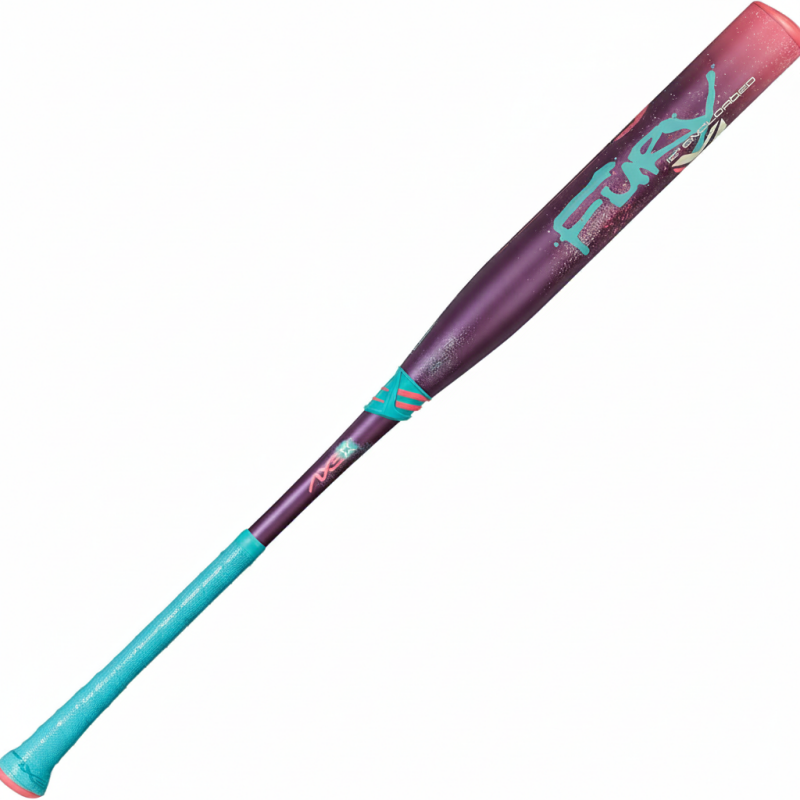
💎 Axe Fury 2-Piece Composite USSSA Endloaded
Best For: Competitive USSSA slowpitch players who want Axe's unique flared handle design combined with end-loaded barrel performance — delivering the ergonomic Axe handle advantage alongside USSSA-certified composite barrel performance in a two-piece end-loaded design.
Construction: Two-piece composite construction with Axe's distinctive flared handle design and end-loaded 12 inch barrel — combining Axe's ergonomic handle advantage with USSSA end-loaded composite performance.
Material: Axe composite barrel with flared handle construction and two-piece connection technology in a USSSA-certified end-loaded design.
Performance Feel: Ergonomic and end-loaded — the Axe Fury delivers end-loaded composite barrel performance through Axe's distinctive flared handle that positions the hands differently than standard round handles, reducing the rotational stress on the lead hand through the swing and allowing players to drive through contact with more comfort across a full tournament day of repeated swings.
Ideal Player Type: Competitive USSSA slowpitch players who want end-loaded composite barrel performance from Axe's ergonomic flared handle design — particularly players who have experienced hand or wrist discomfort from standard round handles during heavy tournament schedules and want the ergonomic advantage the Axe handle provides alongside competitive end-loaded performance.
Performance Overview: The Axe Fury 2-Piece Composite USSSA Endloaded delivers the combination of ergonomic handle design and competitive end-loaded barrel performance that Axe has made their signature approach to softball and baseball bat engineering. The flared Axe handle positions the lead hand in a more natural grip orientation than standard round handles, reducing the rotational stress that repeated high-velocity swings impose on the wrist and hand joints across a full tournament day — a meaningful comfort advantage for players who swing multiple rounds of games across weekend tournament schedules. The USSSA-certified end-loaded composite barrel delivers the distance potential that power-focused association players want from their primary bat investment, and the two-piece connection manages vibration while allowing the barrel to flex independently through the hitting zone.
Why It Stands Out:
- Axe flared handle reduces rotational hand and wrist stress for more comfortable swinging across tournament schedules.
- End-loaded composite barrel delivers the distance potential that power-focused USSSA association players demand.
- Two-piece connection manages vibration while allowing independent barrel flex through the hitting zone.
- USSSA certification for competitive association formats where serious slowpitch players invest in performance bats.
- The right ergonomic performance choice for players who want end-loaded distance without standard handle discomfort.

📊 Slowpitch Bat Snapshot (2026)
- 🔥 DeMarini 2026 Lady Cartel Slowpitch Softball Bats - 34" — Flagship-tier 2026 composite construction in a dedicated 34" length delivering DeMarini's top current slowpitch engineering.
- 💧 Miken Vicious 14" Balanced Dual Stamp Slow Pitch Softball Bat — Largest 14" barrel in this guide paired with balanced weight distribution and dual-stamp certification for maximum forgiveness without sacrificing bat speed.
- ⚡ Easton 2025 Tantrum USSSA Slowpitch — USSSA-certified composite construction delivers Easton's association-level performance engineering for competitive USSSA format players.
- 🎯 Worth 2025 Bedlam XL End Load 12.75" USSSA — XL end-loaded one-piece composite delivers maximum distance potential for USSSA power hitters who can drive the barrel through the zone.
- 🎯 DeMarini 2026 Flyswatter Slowpitch Softball Bat — Current-generation DeMarini composite construction delivering fresh competitive engineering distinct from this guide's other DeMarini options.
- 💎 Axe Fury 2-Piece Composite USSSA Endloaded — Axe flared handle ergonomics combined with end-loaded USSSA composite performance for players who want distance without standard handle discomfort.
❓ FAQ
Should I choose an end-loaded or balanced slowpitch bat?
- End-loaded if you have above-average swing strength and consistently pull the ball with authority — the end load converts that strength into distance.
- Balanced if you want maximum bat speed and the ability to hit hard contact to all fields regardless of pitch location.
What certification do I need for recreational slowpitch leagues?
- Most recreational leagues use USSSA or dual-stamp USA/ASA certification — always confirm the specific league's approved bat list before purchase.
- The Axe Fury and Easton Tantrum are both USSSA-certified; the DeMarini Steel is a versatile alloy option for multiple formats.
How do I break in a composite slowpitch bat?
- Hit 150 to 200 balls with normal swing force while rotating the bat a quarter turn between each swing for even barrel compression.
- Never use a new composite bat in a game or tournament before completing the full break-in process.
Is a 13 inch barrel legal in all USSSA slowpitch formats?
- Barrel size legality varies by association format — USSSA allows up to 13.5 inches in most formats but always confirm with your specific association's current rules.
- The DeMarini Culture's 13 inch barrel is legal in standard USSSA formats but verify against your specific association before purchase.
Can I use the same bat in both USSSA and recreational leagues?
- Only if the bat carries dual-stamp certification covering both formats — single-stamp USSSA bats may not be legal in USA/ASA recreational formats.
- The Axe Dabacle and similar dual-stamp designs are the right choice for players who compete in multiple certification formats.
🧢 Final Thoughts
The slowpitch bat that matches the player's swing strength, association format, and hitting philosophy adds real distance and confidence to every at-bat rather than fighting the player's mechanics across a full tournament weekend. The six bats in this guide cover the full range of that decision — from the immediate alloy performance of the DeMarini Steel to the elite 13 inch end-loaded engineering of The Culture to the ergonomic Axe handle advantage of the Fury — giving every slowpitch player the right construction for their specific swing, level, and the format they compete in most.
For more on building a complete competitive slowpitch kit around the right bat, check out 🥎 Top Fastpitch Softball Bats (2026) for the fastpitch options that complete a dual-format softball player's equipment investment. And for everything across every category of baseball and softball gear, visit 📝 Diamond Sports Equipment Blog & Gear Reviews.
Add comment
Comments