The youth baseball player who develops with a clear understanding of what the game demands at each level — what skills need to be built by what age, what the recruiting process actually looks like from the college coach's side of the table, and what separates the players who get recruited from the players who wonder why they didn't — has a significant advantage over the player who is simply playing hard and hoping the right people notice. Development at the youth and high school level is not random. The players who arrive at the college recruiting conversation with the right skills, the right exposure, and the right understanding of what programs are actually looking for got there because someone in their corner — a coach, a parent, or the player themselves — took the time to understand the process before the process started. The six books in this guide cover the two development phases that matter most for youth players and their families — the foundational skills and baseball IQ development that competitive youth players need to build through the travel ball and early high school years, and the college recruiting knowledge that players and parents need before the junior year of high school, not after it, when most families realize they have been operating without a map in a process that rewards preparation and punishes the assumption that talent alone is enough to get noticed. Every title is confirmed in inventory and matched to a specific development stage, player level, and family need. Players and parents who want the full training book library across every category should also check out 📚 Best Baseball Training Books (2026) for the complete overview. Players focused on the physical development side alongside their reading should explore 📚 Baseball Books for Strength & Hitting (2026) for the strength and hitting titles that pair with every development program in this guide.
⚾ What You Should Know About Youth Baseball & Recruiting Books
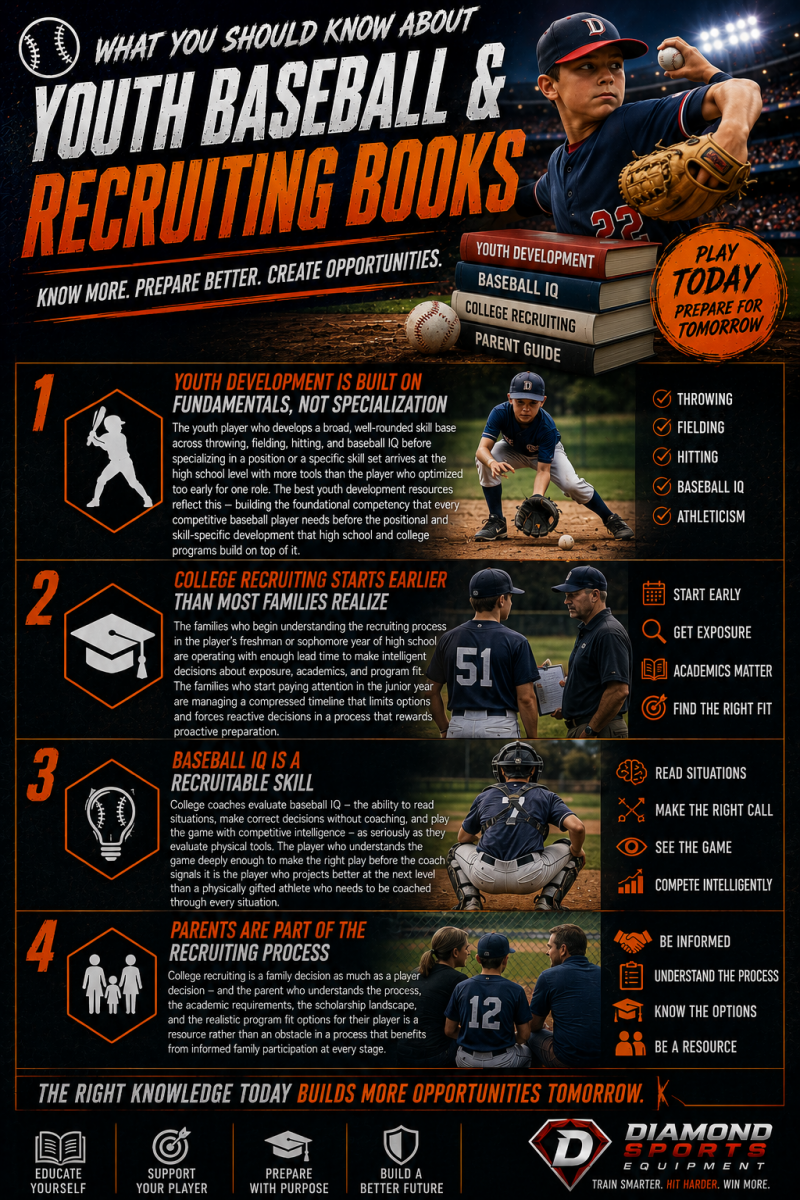
🧒 Youth Development Is Built on Fundamentals, Not Specialization
The youth player who develops a broad, well-rounded skill base across throwing, fielding, hitting, and baseball IQ before specializing in a position or a specific skill set arrives at the high school level with more tools than the player who optimized too early for one role. The best youth development resources reflect this — building the foundational competency that every competitive baseball player needs before the positional and skill-specific development that high school and college programs build on top of it.
🎓 College Recruiting Starts Earlier Than Most Families Realize
The families who begin understanding the recruiting process in the player's freshman or sophomore year of high school are operating with enough lead time to make intelligent decisions about exposure, academics, and program fit. The families who start paying attention in the junior year are managing a compressed timeline that limits options and forces reactive decisions in a process that rewards proactive preparation.
📋 Baseball IQ Is a Recruitab le Skill
College coaches evaluate baseball IQ — the ability to read situations, make correct decisions without coaching, and play the game with competitive intelligence — as seriously as they evaluate physical tools. The player who understands the game deeply enough to make the right play before the coach signals it is the player who projects better at the next level than a physically gifted athlete who needs to be coached through every situation.
🤝 Parents Are Part of the Recruiting Process
College recruiting is a family decision as much as a player decision — and the parent who understands the process, the academic requirements, the scholarship landscape, and the realistic program fit options for their player is a resource rather than an obstacle in a process that benefits from informed family participation at every stage.
🏆 Best Youth Baseball & Recruiting Books (2026)
Six titles covering youth player development and college recruiting — each matched to a specific development stage, player level, and family need across the path from youth baseball through the college recruiting conversation.
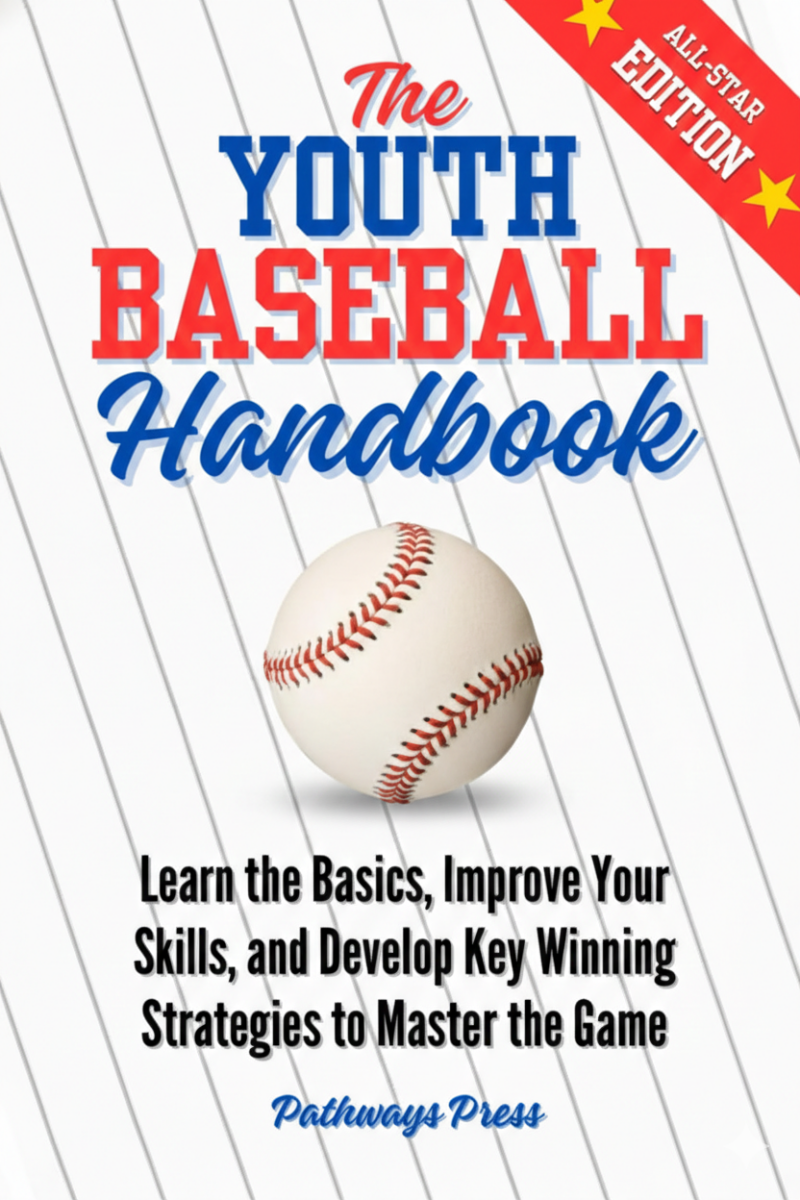
🏅 The Youth Baseball Handbook: Learn the Basics, Improve Your Skills, and Develop Key Winning Strategies to Master the Game
Best For: Youth players at the recreational through travel ball level and the parents and coaches who support their development — a comprehensive foundational resource that covers the full range of skills, strategies, and game knowledge a developing youth baseball player needs to build a competitive foundation
Construction: A comprehensive youth baseball development resource organized around the foundational skills, game strategies, and baseball knowledge that developing players need to build from the recreational and early travel ball level through the competitive youth baseball environment — covering throwing mechanics, fielding fundamentals, hitting basics, base running principles, and the situational game knowledge that separates a developing player from one who is simply participating
Material: Written content delivering foundational youth baseball instruction across every skill area — mechanics, strategy, game knowledge, and the winning mindset principles that coaches and experienced players have identified as the building blocks every competitive youth player needs before the game's demands increase at the travel ball and early high school level
Performance Feel: The resource that gives youth players, parents, and coaches a single comprehensive reference point for the full range of foundational baseball skills — eliminating the fragmented instruction experience that most youth players piece together from multiple coaches across multiple seasons without a coherent developmental framework connecting what they learn in one context to what they need in the next
Ideal Player Type: The youth player from ages 8 through 14 who is serious enough about baseball to want structured instruction beyond what recreational league coaching provides, and the parent or youth coach who wants a comprehensive reference resource covering the full range of foundational skills their player or team needs to develop
Performance Overview: The Youth Baseball Handbook delivers the foundational instruction framework that youth players need before the game's competitive demands outpace the general coaching they receive in recreational and early travel ball environments — a single comprehensive resource that covers throwing mechanics, fielding fundamentals, hitting basics, base running principles, and the situational game knowledge that coaches identify as the difference between a player who is developing and a player who is simply playing. The skills and strategy framework addresses every position, every game situation, and every foundational competency that the travel ball and early high school environment will test — giving players and their coaches a development map that connects what is being worked on in one practice to why it matters in the competitive situations the player will face as the level of play increases. The winning strategies component addresses the baseball IQ side of the game — the situational awareness, the defensive positioning principles, and the offensive decision-making that experienced players make instinctively and that developing players need deliberate instruction on before those instincts can form through competitive experience.
Why It Stands Out:
- Covers the full range of foundational youth baseball skills in a single comprehensive reference resource.
- Addresses throwing, fielding, hitting, base running, and situational game knowledge without leaving gaps.
- Provides the development map that connects practice work to competitive situations as the level of play increases.
- Appropriate for players, parents, and youth coaches who want a single authoritative foundational reference.
- Builds the broad foundational competency that specialization and position-specific development builds on top of
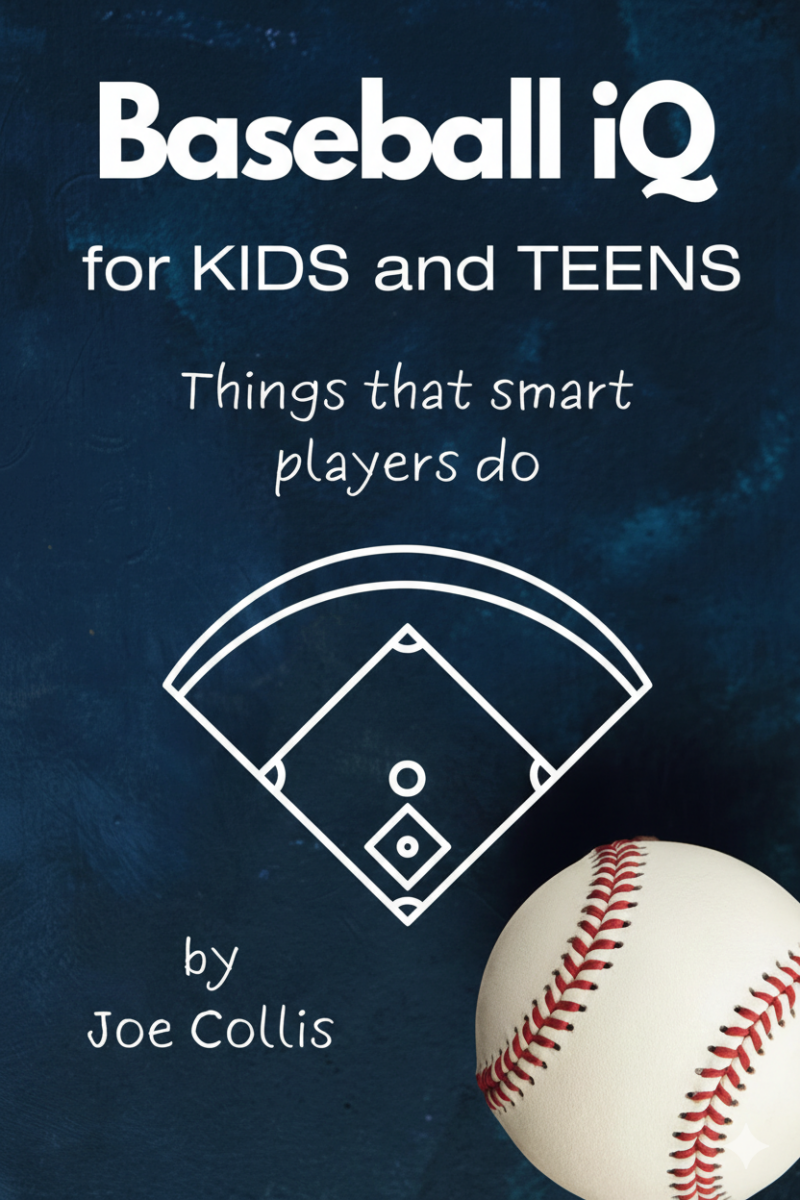
🧠 Baseball iQ for Kids and Teens: Things That Smart Players Do
Best For: Youth and high school players who are physically developing well but need to close the baseball IQ gap — the player whose tools are ahead of their situational awareness and game understanding, and who will become a significantly more valuable player the moment their mental game catches up to their physical development
Construction: A baseball IQ development resource organized around the situational awareness, decision-making principles, and smart player habits that coaches at every competitive level identify as the differentiator between athletes who play baseball and baseball players who compete — covering the reads, reactions, and in-game decisions that separate the player coaches trust in key situations from the one they manage through them
Material: Written content delivering baseball intelligence instruction — the situational reads, positioning principles, base running decisions, defensive awareness, and competitive habits that smart players develop through years of experience and that this resource accelerates by making the principles explicit rather than leaving them to be discovered through accumulated at-bats and defensive innings
Performance Feel: The resource that makes a player realize how many decisions they were making by default — or not making at all — in situations where a smart player has already processed the count, the base runners, the outfield positioning, and the optimal play before the pitch is thrown, and gives them a framework for developing that processing habit deliberately rather than waiting for it to develop organically over years of competitive experience
Ideal Player Type: The youth and high school player whose physical tools are ahead of their baseball IQ — the athlete who has the arm, the bat speed, and the speed to play at a high level but whose decision-making in game situations is limiting the impact those tools have on every play they are involved in
Performance Overview: Baseball iQ for Kids and Teens addresses the development gap that physical training programs never reach — the situational intelligence, decision-making habits, and smart player awareness that coaches at every competitive level identify as the characteristic that separates players they can put in any situation from players they need to manage through the situations that require more than athletic ability to execute correctly. The things that smart players do are not complicated — they are deliberate, consistent, and repeatable habits of attention and decision-making that develop faster through explicit instruction than through the passive accumulation of competitive experience alone. The situational awareness framework covers the pre-pitch processing habits that smart players use to eliminate reaction time from routine plays, the base running decision tree that allows runners to make correct aggressive and conservative reads without coaching in real time, the defensive positioning principles that turn physical tools into productive outs rather than approximate proximity to the right spot, and the competitive habits that coaches notice and remember when they are evaluating which players they trust in the moments that determine game outcomes.
Why It Stands Out:
- Develops the baseball IQ that physical training programs never reach — situational awareness and decision-making.
- Pre-pitch processing habits eliminate reaction time from routine plays by building deliberate attention patterns.
- Base running decision framework allows players to make correct reads without in-game coaching.
- Covers the smart player habits that coaches identify when deciding which players they trust in key situations.
- Accelerates the baseball intelligence development that competitive experience alone takes years to produce.
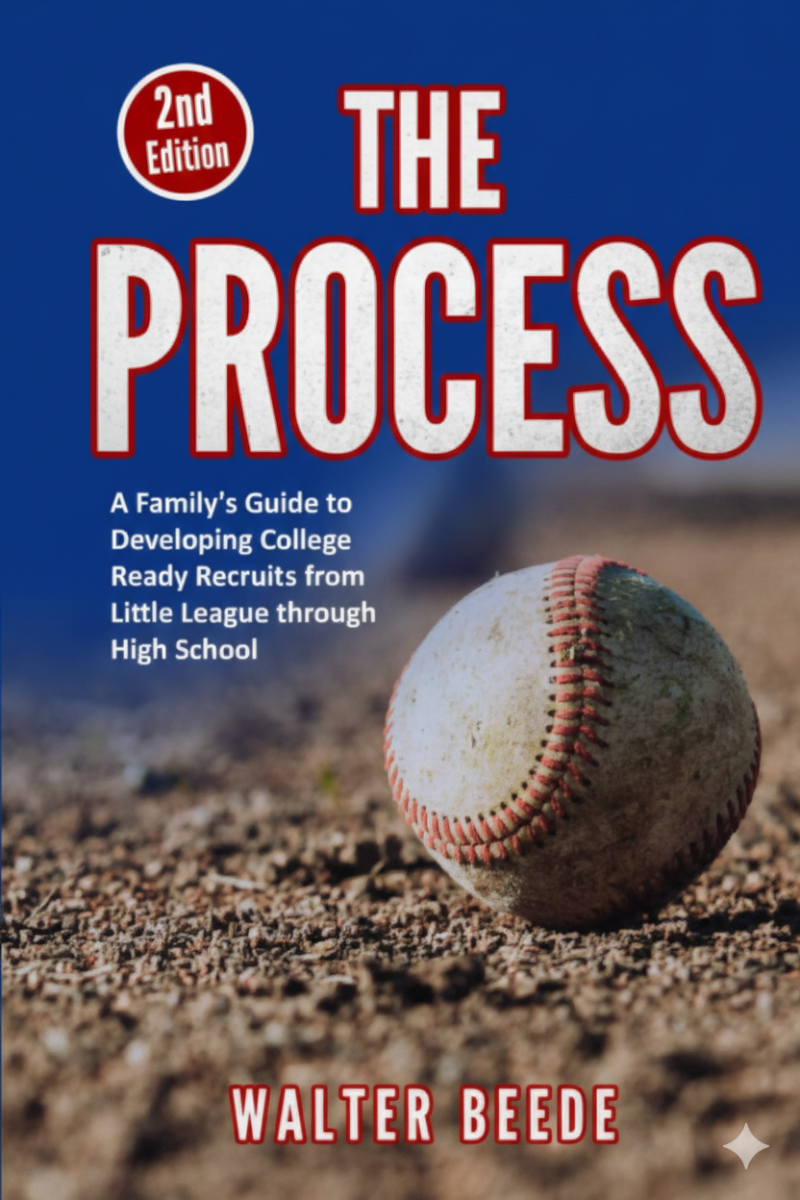
📘 The Process 2nd Edition: A Family's Guide to Developing College Ready Recruits from Little League Through High School
Best For: Baseball families with players in the Little League through early high school years who want to understand the complete development path from youth baseball to college readiness — and who want that understanding early enough to make intentional decisions about exposure, academics, and program development before the recruiting window opens
Construction: A comprehensive family recruiting preparation resource organized around the complete development path from Little League through high school — covering the physical development timeline, academic preparation requirements, exposure event strategy, recruiting communication principles, and the program fit evaluation framework that families who successfully navigate the recruiting process use to arrive at the college decision with real options rather than limited alternatives
Material: Written content delivering the full college recruiting preparation framework for baseball families — the development timeline benchmarks, academic standards, exposure and showcase strategy, recruiting communication guidance, and the realistic program evaluation principles that the families who get this right use from the player's youth years through the signing day decision
Performance Feel: The resource that eliminates the single most common regret in college baseball recruiting — the family that arrives at the junior year of high school realizing they have been operating without a map in a process that has been running around them for two years, and that the decisions they made without understanding the recruiting framework have narrowed the options they are working with at the moment those options matter most
Ideal Player Type: The baseball family with a player in the Little League through freshman year of high school window — the family that is serious enough about the player's college baseball potential to want to understand the process before it starts rather than after it is already well underway without them
Performance Overview: The Process 2nd Edition delivers what every serious baseball family needs and most don't access until it is partially too late — a complete, organized framework for developing a college-ready recruit from the youth baseball years through high school graduation, covering every stage of the development and recruiting timeline with enough specificity to make the guidance actionable rather than aspirational. The Little League through travel ball development section establishes the physical and skill benchmarks that college programs are projecting forward when they evaluate younger players — giving families a realistic picture of what development looks like at each stage and what it needs to look like at the next one. The academic preparation framework addresses the GPA, course selection, and standardized testing standards that every college program's eligibility requirements are built on — the non-negotiable academic foundation that no amount of baseball talent compensates for if it is not in place when the recruiting conversation reaches the offer stage. The exposure and showcase strategy gives families a realistic, efficient approach to the evaluation events that put players in front of college coaches — covering which events matter at which stages of the recruiting timeline and how to approach the communication that follows a coach's initial expression of interest.
Why It Stands Out:
- Covers the complete development path from Little League through high school in a single organized framework.
- Development timeline benchmarks give families a realistic picture of what college-ready recruiting looks like at each stage.
- Academic preparation guidance addresses the eligibility requirements that talent alone cannot overcome.
- Exposure and showcase strategy gives families an efficient, realistic approach to getting in front of college coaches.
- Second edition updates reflect the current state of college baseball recruiting — not the landscape from a decade ago.
⚡ Performance Differences Between Youth Baseball & Recruiting Books
The most important distinction between the development titles and the recruiting titles in this guide is timing — and the families who understand that distinction early enough to act on it are the ones who arrive at the recruiting conversation with the most options. The Youth Baseball Handbook and Baseball iQ for Kids and Teens are books for the player — resources that build the foundational skills and baseball intelligence that make a player worth recruiting in the first place. The Process 2nd Edition and the three titles below are books for the family — resources that build the recruiting knowledge, the process understanding, and the program evaluation framework that determine whether the player's development translates into real college options or goes unnoticed because the family didn't understand how to get the player in front of the right people at the right time. Both sides of this equation matter equally, and the families who address both — developing the player and learning the process simultaneously — are the families who arrive at the college decision with genuine choices rather than the fallback options that late-starting recruiting families are typically working with by the time they understand what they missed. Players and parents who want additional development book resources beyond this guide should explore 📚 Best Baseball Books for 2026 for more titles across every skill category. Coaches and parents building a complete development library should also check out Training Books for the full resource picture.
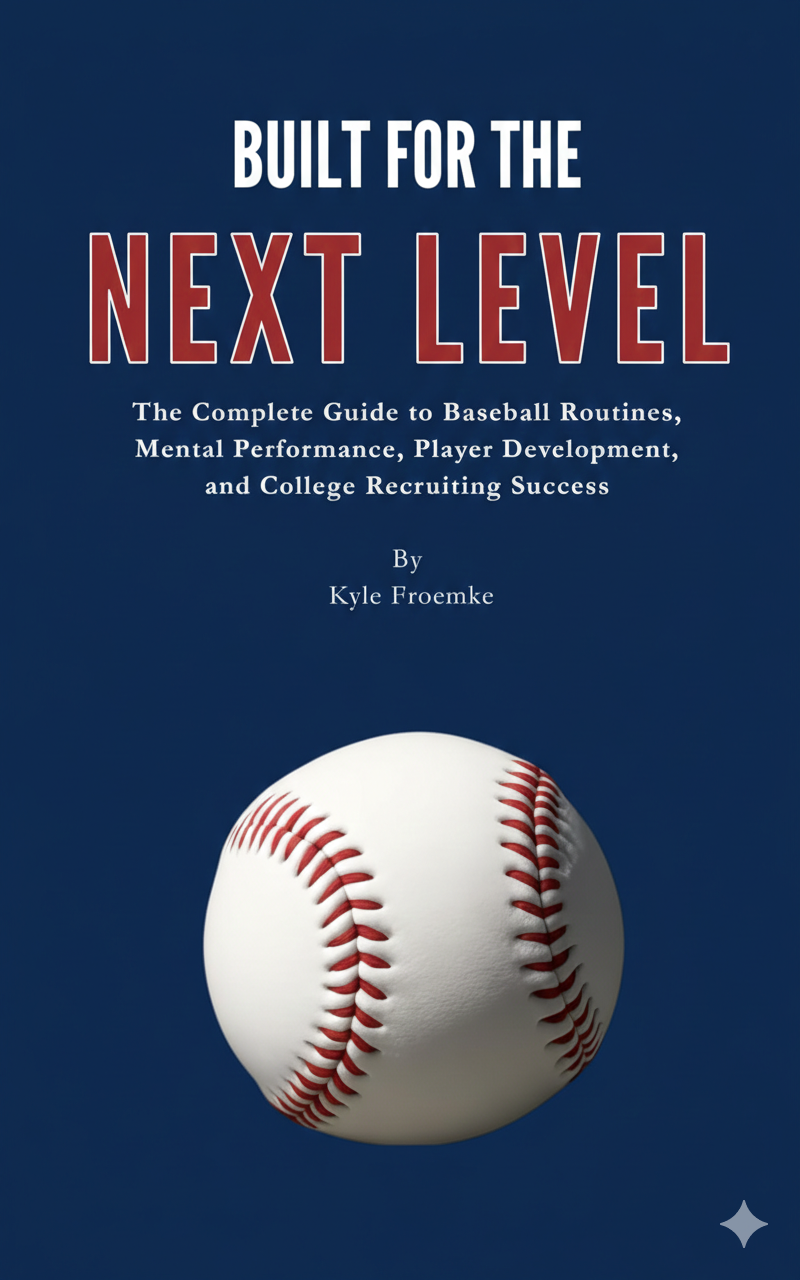
🏫 BUILT FOR THE NEXT LEVEL: A GUIDE FOR BASEBALL PLAYERS AND PARENTS
Best For: High school baseball players and their parents who want a clear, honest framework for understanding what college baseball programs are actually looking for — covering the realistic evaluation of the player's college baseball potential, the program level fit assessment, and the preparation steps that give a player the best opportunity to be recruited at the level their tools and development support
Construction: A college baseball preparation resource organized around the honest, realistic assessment of a player's college baseball potential and the preparation steps that maximize the opportunity that potential creates — covering program level evaluation, position-specific recruiting standards, exposure strategy, and the family communication and decision-making framework that the recruiting process requires from the player and the parents simultaneously
Material: Written content delivering honest college baseball preparation guidance — the realistic program level assessment framework, position-specific recruiting benchmarks, exposure event strategy, and the family recruiting communication principles that experienced college coaches and recruiting consultants have identified as the factors that determine recruiting outcomes for players at every talent level
Performance Feel: The resource that replaces the wishful thinking that drives most families' early recruiting assumptions with an honest, data-grounded framework for understanding where the player actually fits in the college baseball landscape — and what specific preparation steps give them the best realistic opportunity at the program level their tools and development genuinely support
Ideal Player Type: The high school baseball player and their family who are serious about college baseball and want an honest, realistic preparation framework rather than the optimistic but often misleading guidance that comes from sources with an interest in telling families what they want to hear rather than what they need to know
Performance Overview: BUILT FOR THE NEXT LEVEL delivers what serious baseball families need more than encouragement — an honest, realistic framework for understanding where a player fits in the college baseball landscape and what specific preparation steps give them the best opportunity at the program level their development genuinely supports. The program level assessment framework covers the realistic talent evaluation that college coaches apply to every player they see — the velocity, exit velocity, run times, and position-specific tool standards that Division I, Division II, Division III, NAIA, and JUCO programs use to evaluate whether a player projects at their level of competition. The position-specific recruiting benchmarks give players and families a concrete picture of what the numbers need to look like at each program level rather than the vague "you need to be a good player" guidance that leaves families operating on assumptions rather than information. The exposure strategy covers the showcase events, college camps, and direct communication approaches that put players in front of the coaches whose programs are realistic fits — rather than the expensive, time-consuming exposure to elite programs that have no recruiting interest in the player's talent profile.
Why It Stands Out:
- Honest program level assessment framework replaces wishful thinking with realistic college fit evaluation.
- Position-specific recruiting benchmarks give players concrete velocity, exit velocity, and tool standards by program level.
- Exposure strategy focuses families on the coaches and programs that are realistic fits rather than aspirational targets.
- Covers Division I through JUCO recruiting standards — not just the elite programs that represent a small fraction of college baseball opportunities.
- Written for both the player and the parent — the recruiting process requires both to be informed and aligned.
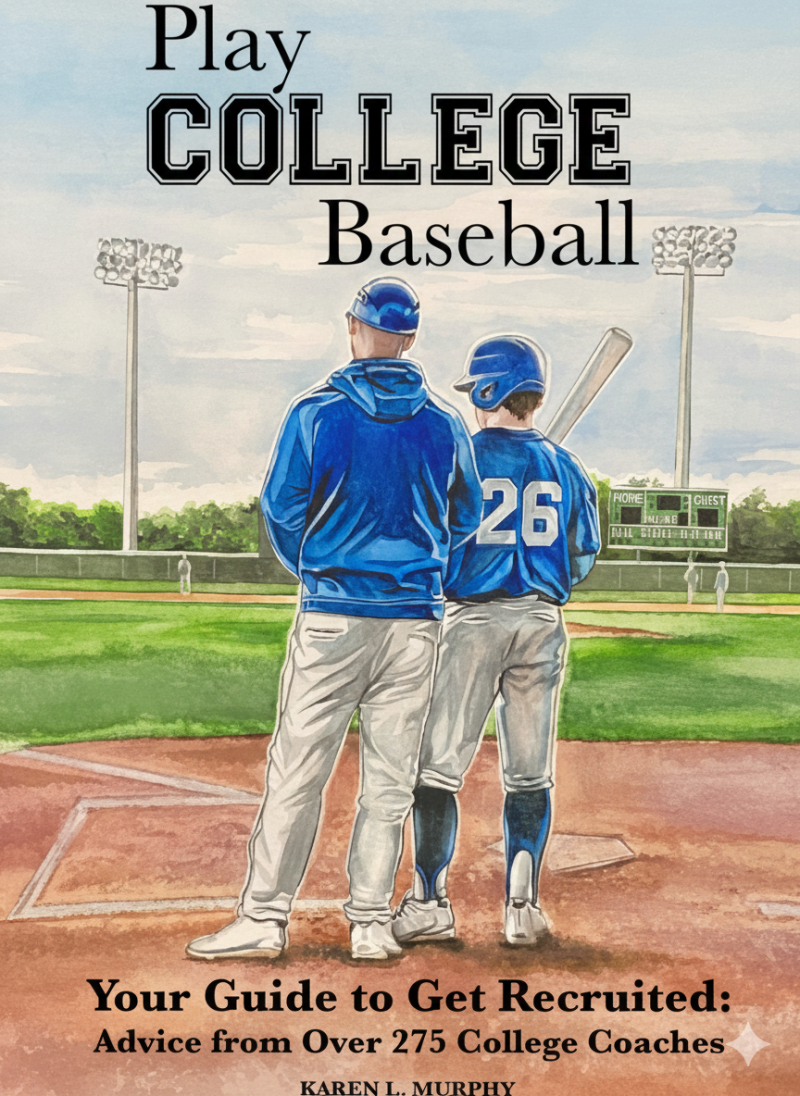
🗺️ Play College Baseball: Your Guide to Get Recruited — Advice from Over 275 College Coaches
Best For: High school players and their families who want recruiting guidance built directly from the perspective of college coaches — what coaches are actually looking for, how they evaluate players they see at showcases and on video, what communication from a player or family makes a positive impression, and what the recruiting process looks like from the side of the table that makes the offers
Construction: A college baseball recruiting resource built around the direct input of more than 275 college coaches across every division and program level — organized around the coach perspective on player evaluation, recruiting communication, program fit assessment, and the factors that coaches weight most heavily when deciding which players they pursue and which they pass on
Material: Written content delivering college coach perspective on the recruiting process — player evaluation standards, communication preferences, showcase and camp attendance expectations, academic requirements, and the program fit assessment factors that 275 coaches across every division identified as the most important elements of a successful recruiting relationship between a player, a family, and a college program
Performance Feel: The resource that gives a recruiting family access to the collective perspective of 275 college coaches simultaneously — replacing the limited, secondhand understanding of what coaches want with direct coach input on every stage of the recruiting process from initial identification through the offer and commitment decision
Ideal Player Type: The high school player and family who are actively in the recruiting process or approaching it and want to understand the process from the coach's perspective — the family that understands the value of knowing what the decision-maker on the other side of the recruiting relationship is actually thinking at every stage of the evaluation
Performance Overview: Play College Baseball: Your Guide to Get Recruited delivers something no other recruiting resource in this guide offers — the direct perspective of more than 275 college coaches across every division and program level on exactly what they are looking for, how they evaluate it, and what players and families do that helps or hurts their recruiting outcomes at every stage of the process. The player evaluation section covers what coaches actually see when they watch a player at a showcase, a camp, or on recruiting video — the tools they prioritize, the character and coachability signals they are reading alongside the physical measurements, and the projection assessment they are making about what the player will look like two to three years into a college program rather than what they look like at the current moment of evaluation. The communication section covers what coaches want to receive from players and families — the timing, the content, the follow-up frequency, and the communication style that builds a positive recruiting relationship versus the approaches that signal a family dynamic or a player's character in ways that cause coaches to quietly move on to the next prospect on their board.
Why It Stands Out:
- Built from direct input from over 275 college coaches — the most comprehensive coach-perspective recruiting resource available.
- Player evaluation section covers what coaches actually see and prioritize at showcases, camps, and on video.
- Communication guidance tells families exactly what coaches want to receive and when — eliminating the guesswork.
- Covers every division level — the coach perspective is not limited to Division I programs that represent a fraction of opportunities.
- Character and coachability evaluation guidance addresses the non-tool factors coaches weight alongside physical measurements.
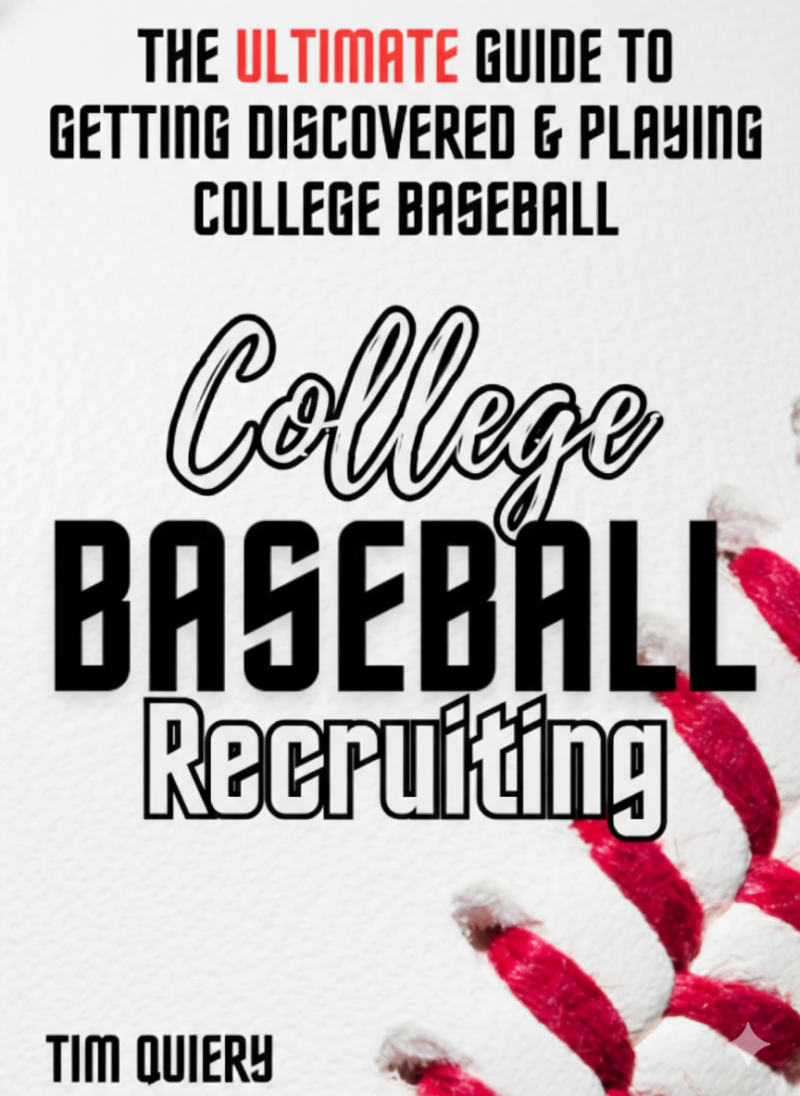
🎓 College BASEBALL Recruiting: The ULTIMATE Guide to Getting Discovered & Playing College Baseball
Best For: High school players and families who want the most comprehensive single-resource overview of the college baseball recruiting process — covering NCAA, NAIA, and JUCO pathways, scholarship and financial aid landscape, eligibility requirements, and the complete recruiting strategy framework from initial exposure through signing day
Construction: A comprehensive college baseball recruiting guide organized around every pathway and program level available to high school baseball players — NCAA Division I, II, and III, NAIA, and Junior College — covering the recruiting timeline, scholarship and financial aid landscape, eligibility requirements, exposure strategy, and the complete decision-making framework that families need to evaluate program fit across every available option
Material: Written content delivering the complete college baseball recruiting landscape — every pathway, every program level, every scholarship and financial aid structure, every eligibility requirement, and the comprehensive recruiting strategy that gives families the full picture of college baseball opportunities rather than the narrow view that focusing exclusively on Division I programs produces
Performance Feel: The resource that gives a recruiting family the full map of college baseball — replacing the tunnel-vision focus on a single program level or a single pathway with a complete picture of every option available to a player at their talent level, academic profile, and personal fit preferences, and the strategic framework for pursuing those options intelligently through every stage of the recruiting process
Ideal Player Type: The high school player and family who want the most comprehensive possible overview of the recruiting landscape before committing to a recruiting strategy — the family that understands the value of knowing every available pathway before deciding which ones to prioritize, and that wants to make the college baseball decision with the full picture rather than the partial view that limited recruiting knowledge produces
Performance Overview: College BASEBALL Recruiting: The ULTIMATE Guide delivers the comprehensive recruiting landscape overview that families need before committing to a recruiting strategy — covering every pathway from NCAA Division I through Junior College with enough specificity about each level's scholarship structure, eligibility requirements, recruiting timeline, and competitive environment to give families a genuinely informed basis for evaluating which options fit their player's talent level, academic profile, and personal priorities. The NCAA pathway section covers the Division I, II, and III landscape with honest scholarship availability data — the realistic picture of how many full scholarships exist at each level, how programs split partial scholarships across rosters, and what the financial aid picture actually looks like at each division level once academic aid and need-based aid are factored into the total package. The NAIA and JUCO sections address the pathways that many families overlook entirely because they are not as prominently discussed in the recruiting conversation — and that represent legitimate, high-quality college baseball opportunities for players who fit those levels better than the Division I and II programs they are spending the majority of their recruiting energy pursuing.
Why It Stands Out:
- Covers every college baseball pathway — NCAA Division I, II, III, NAIA, and Junior College — in a single comprehensive resource.
- Honest scholarship availability data gives families a realistic picture of the financial aid landscape at every program level.
- NAIA and JUCO pathway coverage addresses the legitimate opportunities that Division I focus causes most families to overlook.
- Complete recruiting strategy framework covers every stage from initial exposure through signing day decision.
- Academic eligibility requirements and financial aid structures are covered alongside athletic recruiting — the full decision picture.
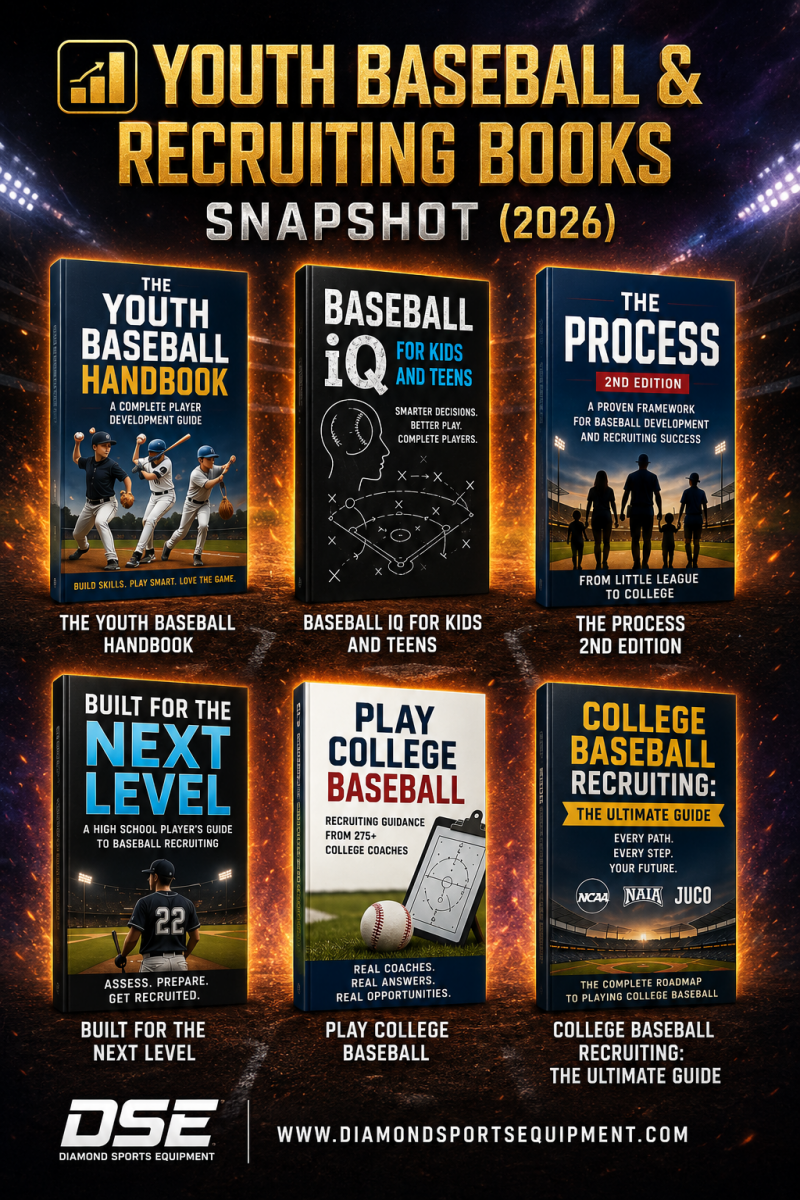
📊 Youth Baseball & Recruiting Books Snapshot (2026)
- 🏅 The Youth Baseball Handbook — Comprehensive foundational instruction covering throwing, fielding, hitting, base running, and situational game knowledge for youth players from recreational through early travel ball.
- 🧠 Baseball iQ for Kids and Teens — Situational awareness, decision-making frameworks, and smart player habits that close the baseball IQ gap between physically talented athletes and complete baseball players.
- 📘 The Process 2nd Edition — Complete family framework covering the development path from Little League through high school with recruiting timeline benchmarks, academic preparation, and exposure strategy.
- 🏫 BUILT FOR THE NEXT LEVEL — Honest program level assessment, position-specific recruiting benchmarks, and realistic exposure strategy for high school players and families evaluating college baseball fit.
- 🗺️ Play College Baseball — Recruiting guidance built from direct input of over 275 college coaches covering player evaluation, communication preferences, and the coach-side perspective on every recruiting stage.
- 🎓 College BASEBALL Recruiting: The ULTIMATE Guide — Comprehensive coverage of every college baseball pathway including NCAA, NAIA, and JUCO with scholarship landscape, eligibility requirements, and complete recruiting strategy.
❓ FAQ
When should a family start thinking about college baseball recruiting?
- The player's freshman year of high school is the right time to begin understanding the recruiting process — not necessarily to begin active outreach to programs, but to understand the timeline, the academic requirements, and the exposure strategy well enough to make intentional decisions from that point forward.
- Families who wait until the junior year to engage with the recruiting process are managing a compressed timeline that limits options and forces reactive decisions in a process that consistently rewards families who started earlier.
What do college coaches look for beyond physical tools?
- Character, coachability, and baseball IQ are evaluated alongside physical measurements at every program level — coaches are recruiting a person who will be in their program for four years, not just a set of tools that projects at their competitive level.
- Academic standing is a non-negotiable filter at every NCAA program level — no amount of athletic talent compensates for an academic profile that does not meet the eligibility requirements the program's standards and conference regulations require.
Is Junior College a legitimate college baseball pathway?
- Junior College is a legitimate and frequently undervalued college baseball pathway — JUCO programs develop players for four-year transfers at every division level and provide a competitive environment that has produced major league players across every generation of the game.
- Families who dismiss JUCO as a fallback option rather than a strategic choice miss the developmental and competitive value that the pathway provides for players whose talent and academic profile fit that level better than the Division I and II programs they may be targeting.
How important is academic preparation for baseball recruiting?
- Academic preparation is as important as athletic development in the college recruiting process — the NCAA eligibility requirements, core course standards, and minimum GPA and standardized test thresholds are filters that eliminate players from consideration before coaches ever evaluate their baseball tools.
- Families who treat academic preparation as separate from recruiting preparation are missing the reality that college coaches evaluate academic standing as part of every recruiting decision — a player who cannot be admitted is a player who cannot be offered.
🧢 Final Thoughts
The players and families who navigate the youth development and college recruiting path most successfully are the ones who understood both sides of the equation early enough to act on them deliberately — building the foundational skills and baseball IQ that make a player worth recruiting while simultaneously learning the process well enough to get that player in front of the right people at the right time. The Youth Baseball Handbook and Baseball iQ for Kids and Teens build the player. The Process 2nd Edition, BUILT FOR THE NEXT LEVEL, Play College Baseball, and the ULTIMATE Recruiting Guide build the family's understanding of the process that the player's development needs to translate through. A family that works through all six of these resources is better prepared for every stage of the path from Little League through signing day than the vast majority of baseball families who are operating on assumptions, secondhand information, and the advice of people who navigated a recruiting landscape that has changed significantly since their experience with it. Players who want to pair their development reading with the right physical training tools should explore 💪 Speed, Strength & Velocity Training Tools (2026) for the equipment that builds the physical profile every college coach is evaluating. For the complete library of baseball and softball gear guides and buying breakdowns across every category and player level, visit 📝 Diamond Sports Equipment Blog & Gear Reviews.
Add comment
Comments